Last Updated on October 5, 2026 by Aaron Chen
Yes, you can eat halal in Suzhou — but the city makes you work a little harder for it than Shanghai does. There is no Muslim quarter and no famous halal street. What Suzhou has is one long-established Xinjiang restaurant chain with branches on both sides of the city, a scattering of Turkish and Hui-run places, and the small Lanzhou noodle shops you find all over China. None of that is a problem if you match restaurants to your sightseeing route before you arrive. It becomes a problem at 13:30, in the middle of a classical garden, with a hungry group and the nearest halal kitchen half an hour away.
This guide organizes Suzhou’s halal options by where you’ll actually be — the old town gardens on one side, Jinji Lake on the other — plus where to pray, and how to plan meals if you’re coming from Shanghai for the day. Business status and halal background for the restaurants below were checked in August 2026.
How Halal Food Is Laid Out in Suzhou
Suzhou splits into two zones that matter for your stomach. The old town (Gusu District) holds nearly everything you came to see: the Humble Administrator’s Garden, Lion Grove Garden, Pingjiang Road, Guanqian Street, Tiger Hill on its edge. The Suzhou Industrial Park (SIP) around Jinji Lake is the modern city — skyline, malls, the Gate of the Orient — and where you’d typically eat dinner if you’re staying overnight in a newer hotel.
Halal restaurants exist in both zones, but thinly. The practical consequence: pick your lunch spot when you plan the day, not when you get hungry. The old town’s famous snack streets — Pingjiang Road and Guanqian Street — are lined with food, and almost none of it is halal.
Halal Restaurants in and Near the Old Town
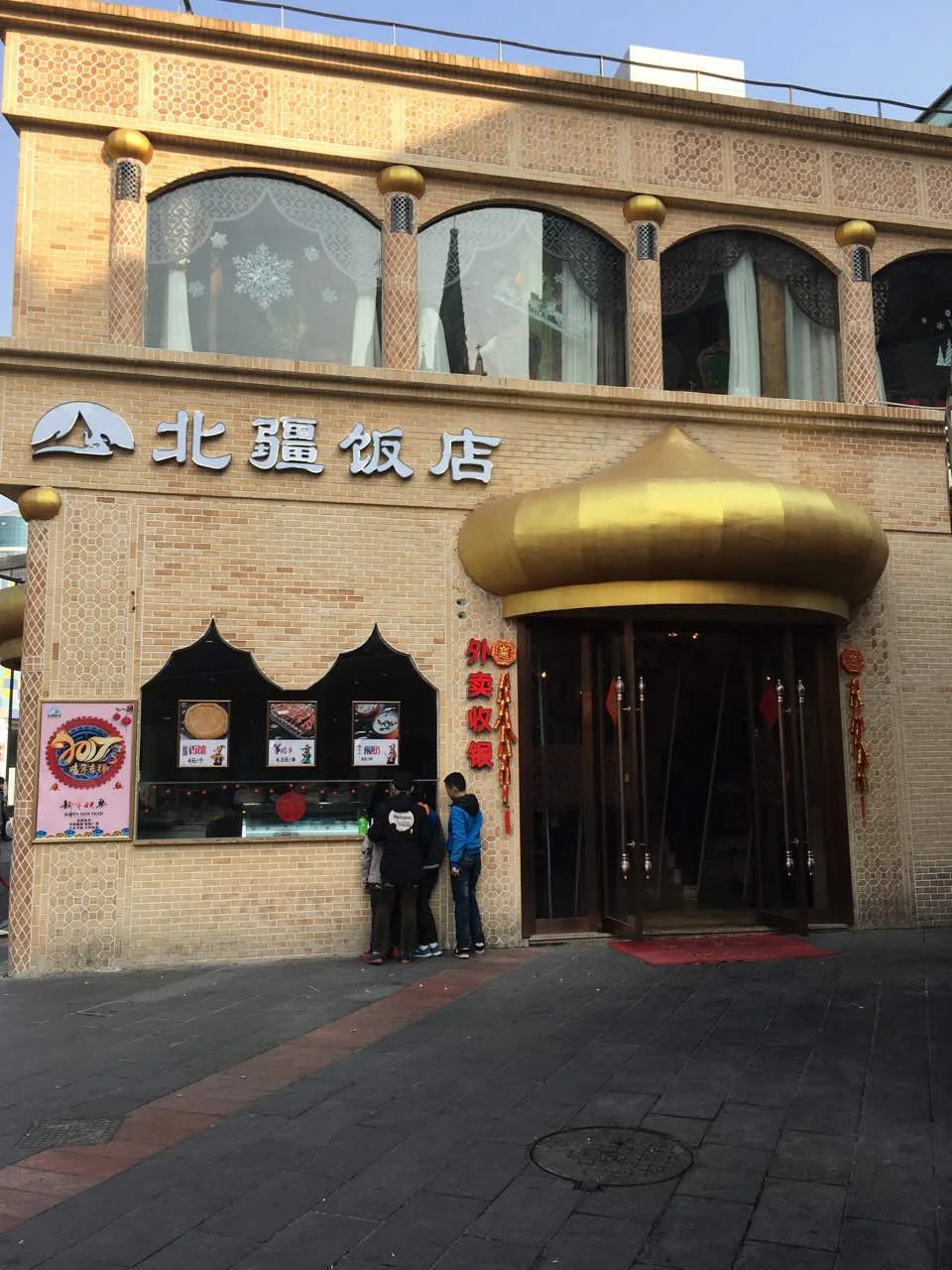
Beijiang Restaurant (北疆饭店), 428 Ganjiang East Road. Suzhou’s most established halal name — a Xinjiang restaurant that has operated in the city since 1998 and moved its flagship to Ganjiang East Road, the main east–west artery through the old town, in 2006. From here it’s a short taxi to the Humble Administrator’s Garden, Pingjiang Road or Guanqian Street. Lamb skewers, big plate chicken, hand-pulled laghman noodles and naan are the safe orders, and it’s a proper sit-down restaurant that can absorb a group of ten without drama. Beijiang runs several branches across Suzhou (including in the SIP), so wherever you’re staying, check which one is nearest before you set out.
Hui Xiang Lou (会香楼), 20 North Zhongli Lane, Gusu District. A Hui-run halal restaurant inside the old town lanes themselves — useful when you want lunch without leaving the garden district. Smaller and simpler than Beijiang, but it keeps you within walking range of the sights.
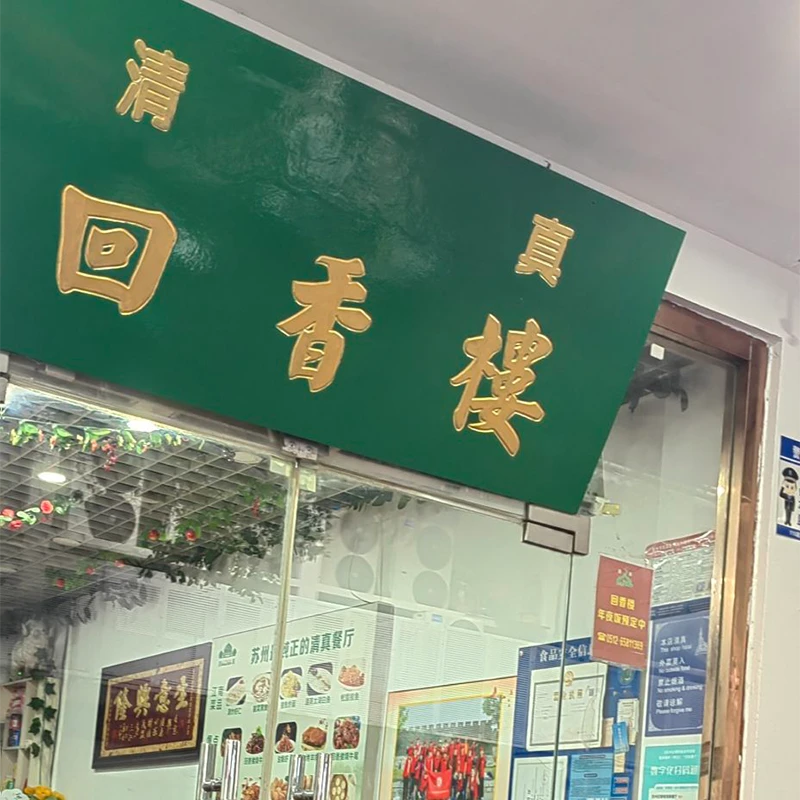
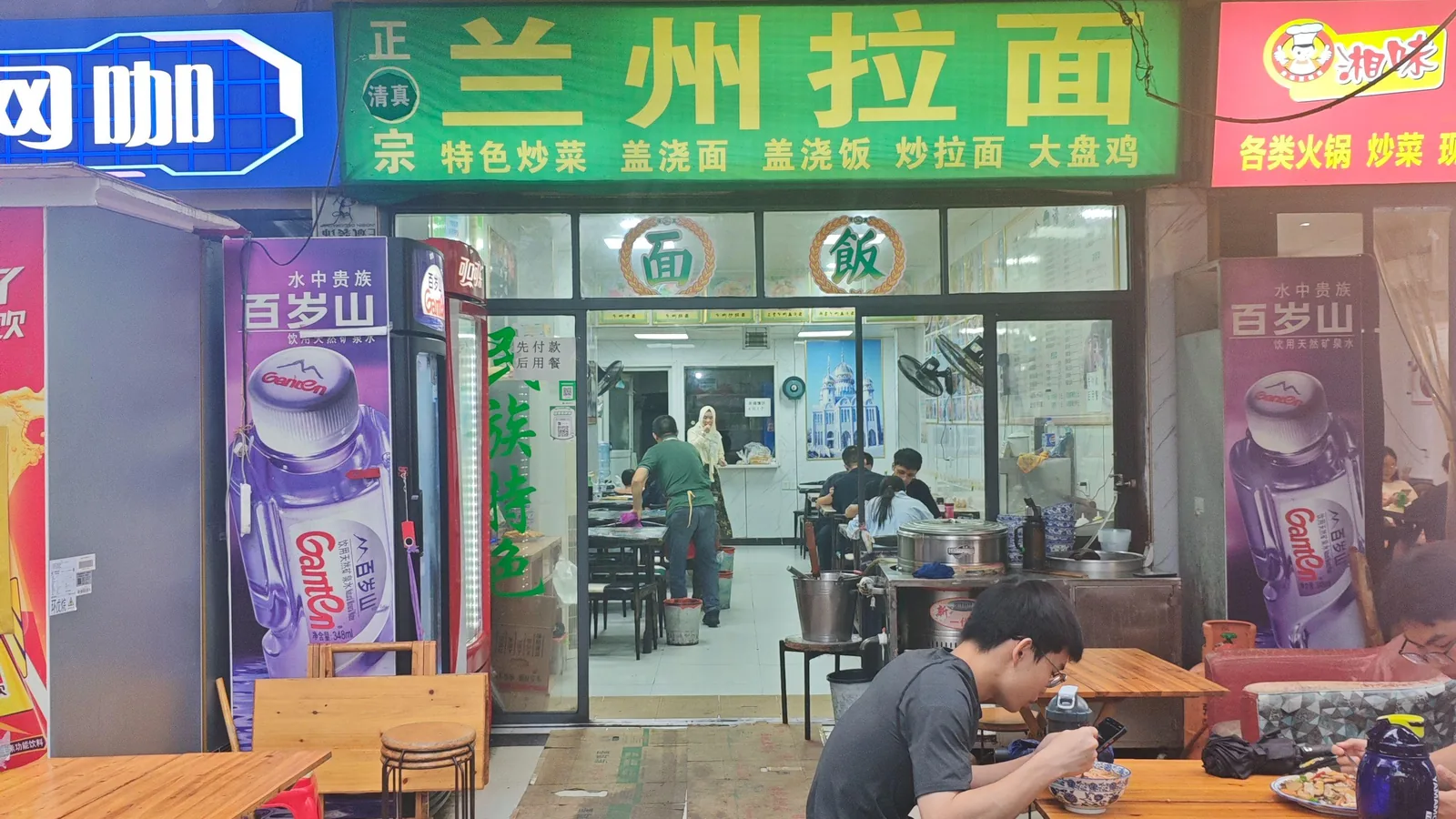
Lanzhou beef noodle shops, everywhere. As in every Chinese city, small Hui-run noodle shops with the green 清真 (qing zhen) sign are scattered through the old town and near the railway stations — one example, Ma Jiyong Lanzhou Beef Noodles, sits all the way out in Wujiang District, which tells you how widely they spread. Hand-pulled beef noodles, lamb skewers, fried rice — fast, cheap, reliable. They’re the fallback that makes a tight sightseeing schedule workable. For what the qing zhen sign does and doesn’t guarantee, see our guide to halal Chinese food.
One caution from experience: online lists of “Suzhou halal restaurants” — including some ranking high on Google — recycle names and addresses that are years out of date. Small halal places in China close or move with little notice. We re-verify every restaurant’s business status before a client’s trip; if you’re planning on your own, check each place on a maps app the same week you travel.
Halal Food Around Jinji Lake, the SIP and Wuzhong
Mash Burger, Suzhou Avenue East (SIP). A halal burger restaurant near the Jinji Lake business district — fresh-made burgers, popular with the area’s Muslim expats and students. Useful exactly where the old town options aren’t: dinner after watching the Gate of the Orient light up, or a non-Chinese meal when the group needs a break.
Pistachio Nuts Turkey Restaurant, Wuzhong District. A Turkish-run halal restaurant south of the old town — kebabs, pide, lentil soup — with some of the best reviews of any halal place in Suzhou. It sits outside both main tourist zones, so treat it as a destination dinner rather than a sightseeing pit stop, and confirm the current address on your maps app before heading over.
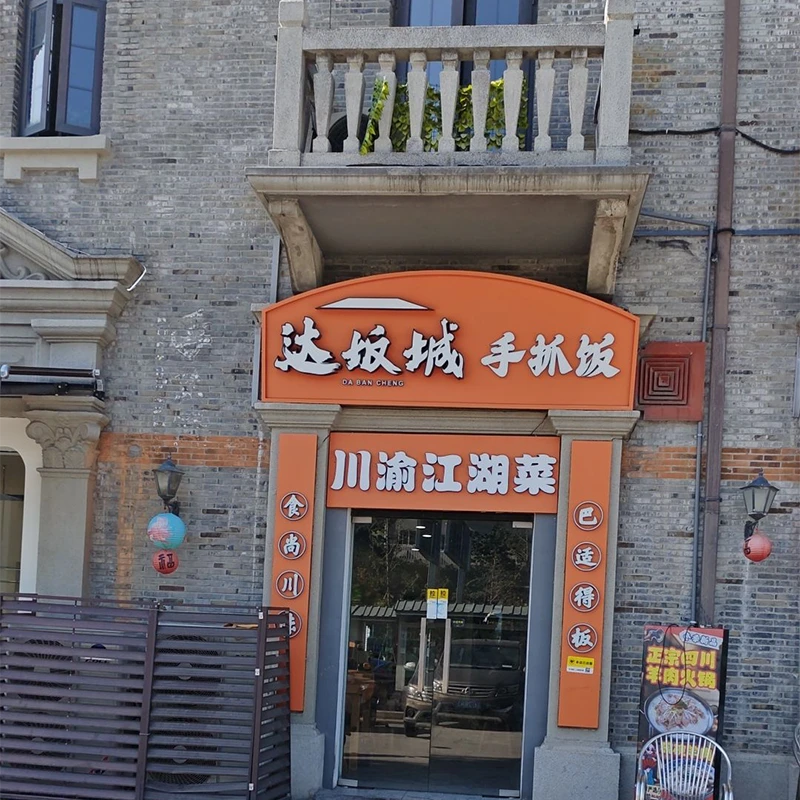
Dabancheng Xinjiang Restaurant (达坂城新疆餐厅), Dongmen Lane, Wuzhong District. A Xinjiang halal restaurant on the Wuzhong side — polo (rice pilaf), lamb and naan in a neighborhood setting. Like Pistachio, it works best when you’re staying or eating on the south side rather than as a detour from the gardens.
Yershari (耶里夏丽), SIP. The long-running Shanghai Xinjiang chain has operated a Suzhou branch in the Industrial Park; if you know Yershari from Shanghai, it’s the same style of dining-room Xinjiang food. Call ahead or check a maps app before going — chain branches in China reshuffle often.
Prayer in Suzhou: Taipingfang Mosque
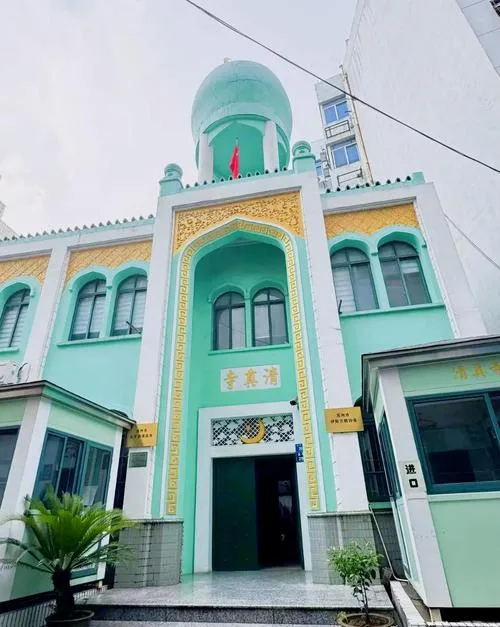
Suzhou has one working mosque: Taipingfang Mosque (太平坊清真寺) at 29 Taipingfang, in the old town (Gusu District). It has been the center of Islamic religious life in Suzhou since 1982, holds Friday jumu’ah — typically drawing between one and two hundred worshippers — and larger Eid gatherings. It is a functioning neighborhood mosque rather than a tourist monument like Xi’an’s Great Mosque, so come to pray, not to sightsee, and dress and photograph accordingly.
For the rest of the day, the practical pattern is the one Muslim travelers use across China: pray fajr and dhuhr at your hotel where the timing allows, and plan asr and maghrib around your route — a quiet corner works when it must. If you’re visiting on a Friday, decide before the day starts whether jumu’ah is in the plan; the mosque sits close enough to Guanqian Street and Pingjiang Road that it slots into an old-town afternoon, but garden entry reservations (see below) don’t wait for latecomers.
When we plan Suzhou days for clients, prayer windows go into the schedule next to the garden bookings, not as an afterthought — it’s the difference between a calm day and a rushed one.
A Day Trip from Shanghai: Where Meals Fit
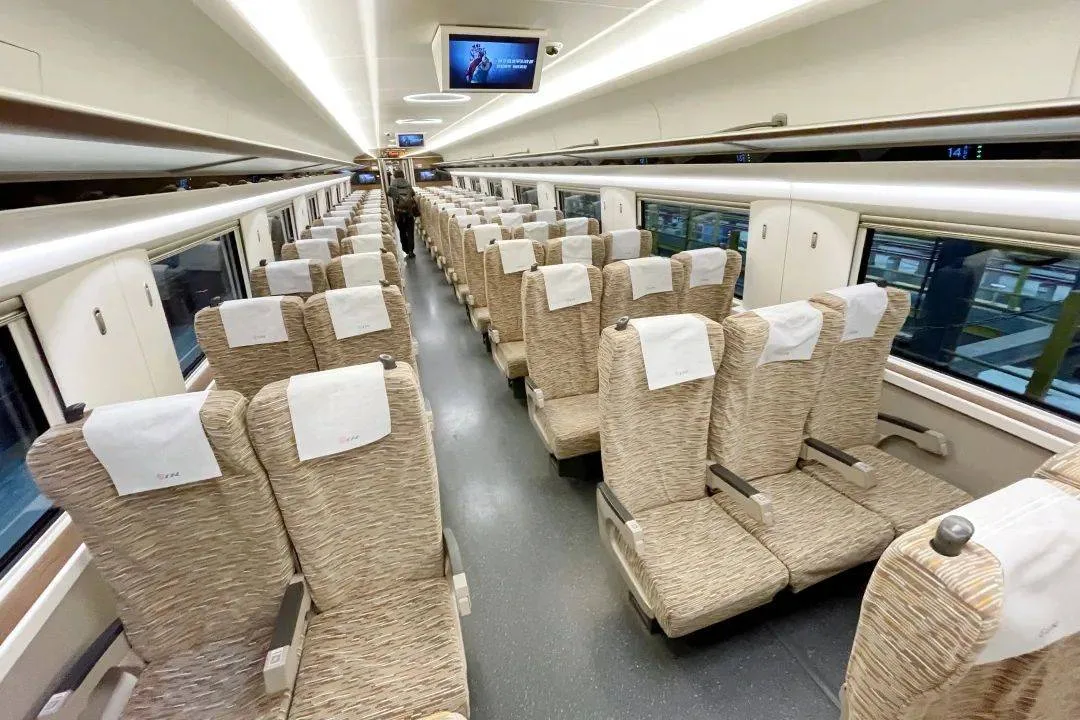
Suzhou is the most common day trip in eastern China for good reason: high-speed trains run between Shanghai and Suzhou all day at high frequency, taking roughly 25–40 minutes depending on the service and station. The catch for Muslim travelers is that a day trip compresses your meal windows, so fix them in advance:
- Breakfast in Shanghai before the train (our halal food guide for Shanghai covers the options).
- Morning: Humble Administrator’s Garden and Lion Grove Garden — book garden tickets ahead with your passport details; the big gardens use real-name reservations and sell out in peak season.
- Lunch (12:00–13:00): Beijiang on Ganjiang East Road, or Hui Xiang Lou if you’d rather stay inside the old town lanes. Don’t gamble on finding something halal on Pingjiang Road — you’ll end up eating biscuits from a convenience store.
- Afternoon: Pingjiang Road canal walk, then either Tiger Hill or the Suzhou Museum (also reservation-based).
- Evening: Either an early dinner in Suzhou and a train back, or return to Shanghai for dinner there — Shanghai’s halal depth makes the second option genuinely easier. If you stay for the Jinji Lake skyline instead, Mash Burger covers dinner on that side.
Staying overnight loosens all of this and adds the SIP and Wuzhong dinner options; one full day plus an evening is enough for Suzhou’s main sights unless gardens are a passion.
If you’d rather not juggle train tickets, garden reservations, restaurant locations and prayer times as five separate problems, that’s literally what we do: our team plans Shanghai–Suzhou–Hangzhou routes with halal meals and prayer windows built into each day — message us on WhatsApp with your dates and group size, and we’ll tell you honestly whether Suzhou deserves a day trip or an overnight in your itinerary.
Can You Try Suzhou’s Famous Dishes?
Honestly: mostly no, and it’s better to know that in advance. Suzhou’s culinary icons — squirrel-shaped mandarin fish, braised pork belly, the famous Suzhou-style noodle broths — come out of non-halal kitchens. The fish itself is freshwater fish, but in a standard restaurant it’s cooked with rice wine in a kitchen that also handles pork, and classic Suzhou noodle broths are typically pork-based. Traditional pastries are also a mixed bag, since some use lard.
What you can do:
- Suzhou-style noodles, halal version: Hui-run noodle shops serve hand-pulled noodles in beef broth — not the same dish, but it scratches the same itch.
- Biluochun tea: Suzhou’s famous green tea, grown by Taihu Lake, is halal by nature and the best edible souvenir the city offers. A teahouse stop on Pingjiang Road works fine — just skip the snack plate or ask about ingredients.
- Xinjiang food as the local meal: for a memorable group dinner in Suzhou, the honest answer is that Beijiang’s roast lamb is a better experience than a compromised version of a local specialty.
We tell clients the same thing when building menus for an East China route: eat Jiangnan scenery in Suzhou and save the food adventures for cities that can do them halal.
Suzhou in Your East China Route
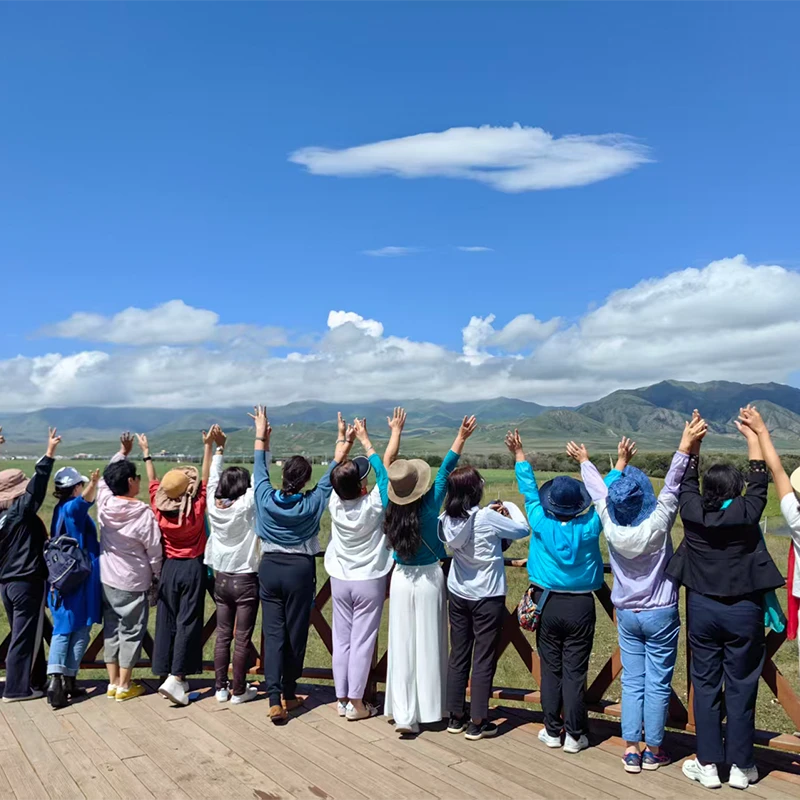
Suzhou almost never travels alone — it slots between Shanghai and Hangzhou. The pattern that works for most groups: base in Shanghai (see our Shanghai Muslim itinerary), give Suzhou one day for gardens and canals, and give Hangzhou a day or an overnight for West Lake — halal logistics there are covered in our Hangzhou halal food guide. For the broader picture of the city beyond food, our Suzhou destination page covers sights, seasons and how it fits a longer China trip.
FAQ
Does Suzhou have halal food?
Yes. The most reliable options are Beijiang Restaurant (a Xinjiang halal restaurant operating in Suzhou since 1998, flagship on Ganjiang East Road with several branches), Hui-run Lanzhou noodle shops across the city, and a few Turkish and halal international restaurants around the Industrial Park and Wuzhong. Options are thinner than Shanghai’s, so match restaurants to your sightseeing route in advance.
Is there a mosque in Suzhou?
Yes — Taipingfang Mosque at 29 Taipingfang in the old town, active since 1982, with Friday jumu’ah and Eid prayers. It’s a working neighborhood mosque, not a tourist site.
Is KFC or McDonald’s halal in China?
We can’t confirm halal certification for mainland Chinese outlets of KFC or McDonald’s. Don’t assume any international fast-food chain in China is halal — ask the staff if you must use one, and prefer the qing zhen sign or dedicated halal restaurants instead.
How do I get from Shanghai to Suzhou?
High-speed trains run all day between Shanghai (Hongqiao and Shanghai Station) and Suzhou, taking roughly 25–40 minutes. Book with your passport; for a day trip, an early outbound train protects your garden reservation times.
Is one day enough for Suzhou as a Muslim traveler?
For the main gardens, Pingjiang Road and a proper halal lunch — yes, one well-planned day from Shanghai works. Stay overnight if you want the Jinji Lake skyline in the evening or a slower pace; the halal dinner options in the SIP make the overnight version comfortable.