Last Updated on October 5, 2026 by Aaron Chen
The worry most Muslim travelers bring to Chengdu is not whether there is any halal food. It is whether the real Sichuan food — the mala hotpot everyone talks about — is off-limits. For the full hotpot picture across China, see our halal hotpot in China guide.
The honest answer is that it is not. Chengdu’s halal food clusters into one pocket of Qingyang District around Huangcheng Mosque, and from that base you can eat beef sit-downs, halal Sichuan classics, and the hotpot too. What takes more care is confirming a place on the spot and planning meals around a day out.
Where Halal Food Clusters in Chengdu
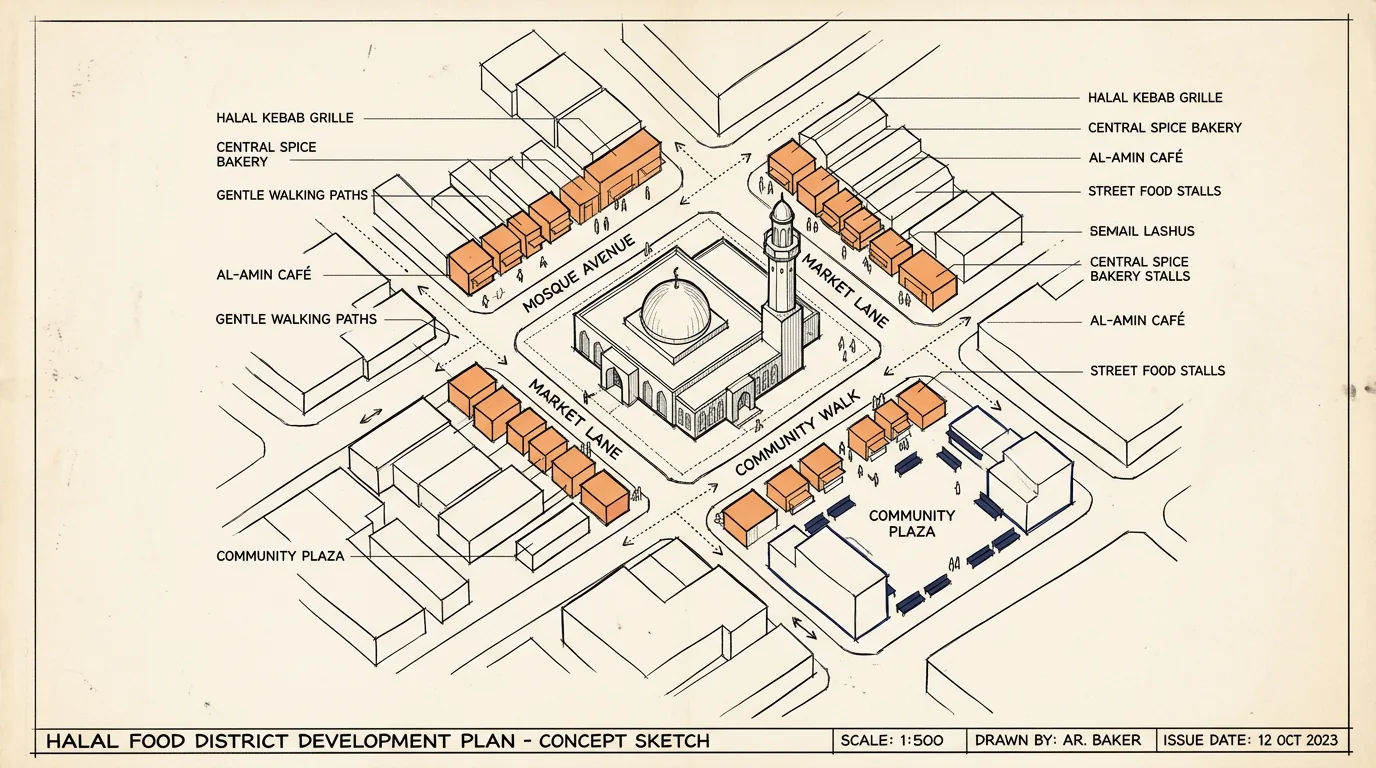
Chengdu’s halal restaurants concentrate in Qingyang District around Huangcheng Mosque (皇城清真寺), the largest mosque in Sichuan, about a 10-minute walk west of Tianfu Square. Anchoring your eating here puts food and prayer in one central pocket, within reach of the things to do in Chengdu that fill the rest of your days.
I send most first-time families straight to this cluster rather than chasing scattered listings across the city. These are the places worth knowing:
- Tianfanglou — the family sit-down we recommend first. A 700-square-metre Islamic-style room serving roasted lamb chops, cumin lamb, and Xinjiang-style braised chicken. Listings place it right by the mosque — ask your guide or call ahead to confirm the exact entrance before you go.
- Huangchengba Beef Restaurant (Sangui Qianjie) — the beef specialist. Muslim-style ox lungs in chili sauce, steamed beef with rice flour, and beef soup, plus a small hotpot.
- Huangcheng Islam Restaurant (Luoyang Road) — slow-cooked tender beef and traditional lamb soups.
- Yuexiangcun (near People’s Park) — marinated chicken and specially flavoured beef, Cantonese-Sichuan Muslim style.
- Huitangchun — heartwarming stews and flaky pastries.
One caution we always pass on: addresses, phones, and hours shift often, and at least one street number is listed differently across sources. Treat any address as a starting point, and confirm on arrival.
Can You Eat Real Sichuan Food Halal? Hotpot, Dan Dan, and What to Order
Yes — the signature Chengdu hotpot is fully available to you at dedicated halal hotpot houses, and Huangcheng Muslim Hotpot (皇城清真火锅) in the Qingyang cluster is the name to know. These houses run a broth of halal beef, lamb, and chicken with Sichuan peppercorns and dried chilies, made without alcohol.
Ask for the split pot (鸳鸯, yuan yang): one side mala, one side mild. That single choice lets a family with kids share one table, and it is why we never tell anyone to skip hotpot here.
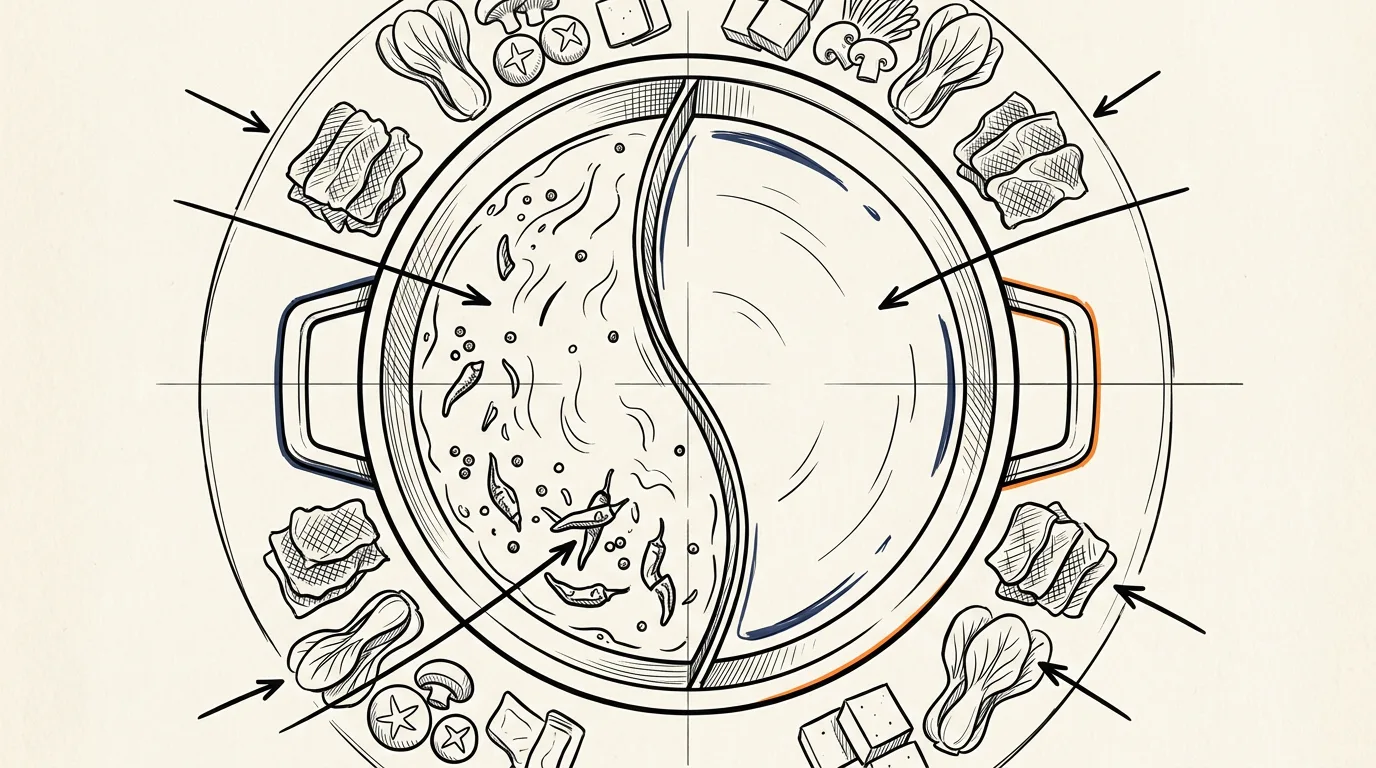
You dip thin-sliced beef and lamb, handmade noodles, tofu, mushrooms, and vegetables.
The Sichuan classics have halal versions too:
- Dan dan noodles — halal minced beef or lamb; a fast bowl, best eaten earlier in the day.
- Mapo tofu — made with halal ground beef or lamb.
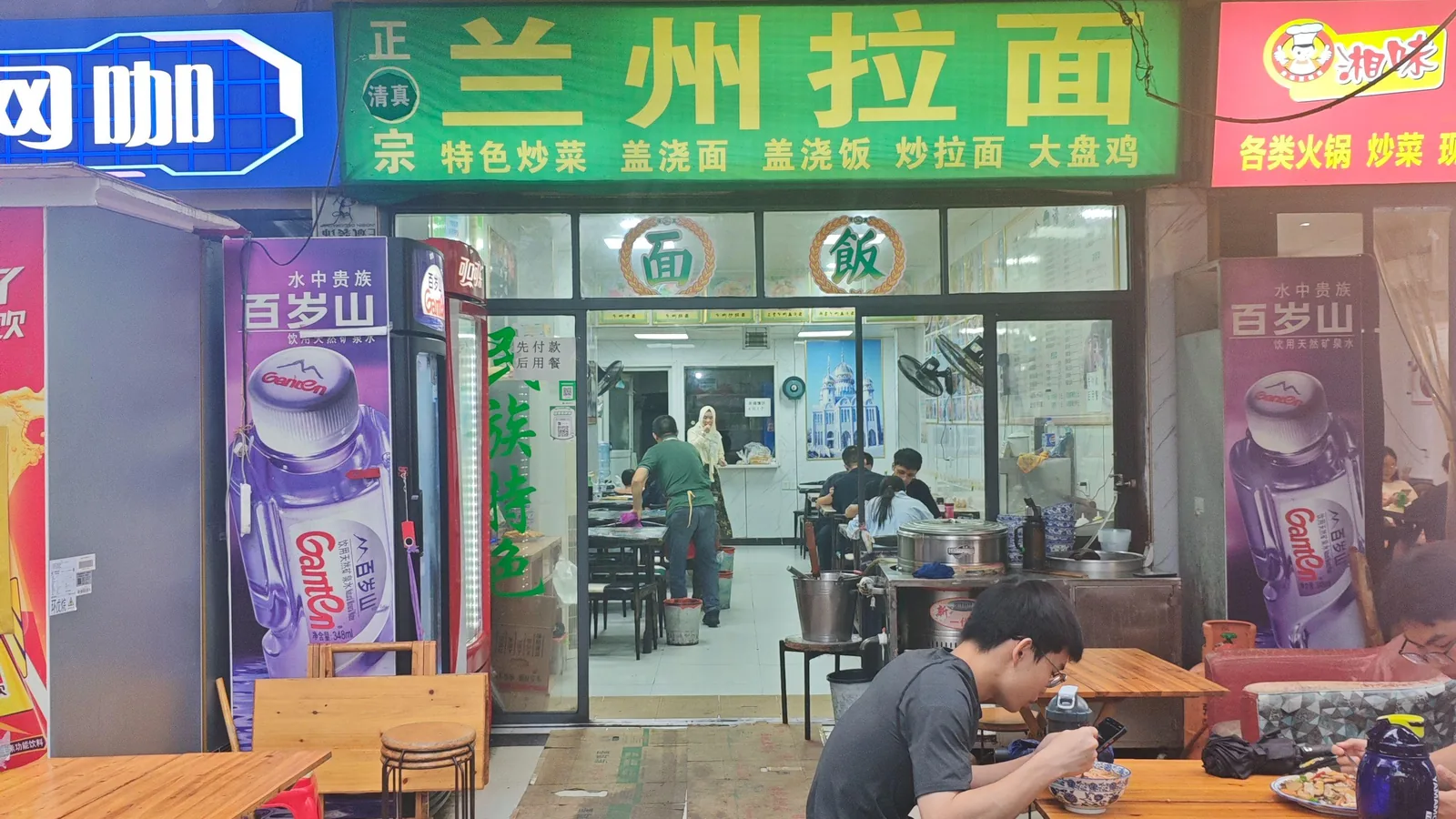
- Lanzhou beef noodles — Hui-run, a gentler less-spicy broth with hand-pulled noodles.
- Lamb skewers — marinated with cumin and chili, grilled over open flame; the easy street snack.
One caveat travels with all of this. At any place that is not clearly halal-marked, confirm with the staff before you order — a dish being halal in principle does not mean the kitchen prepared it that way.
How to Check a Chengdu Restaurant Is Genuinely Halal
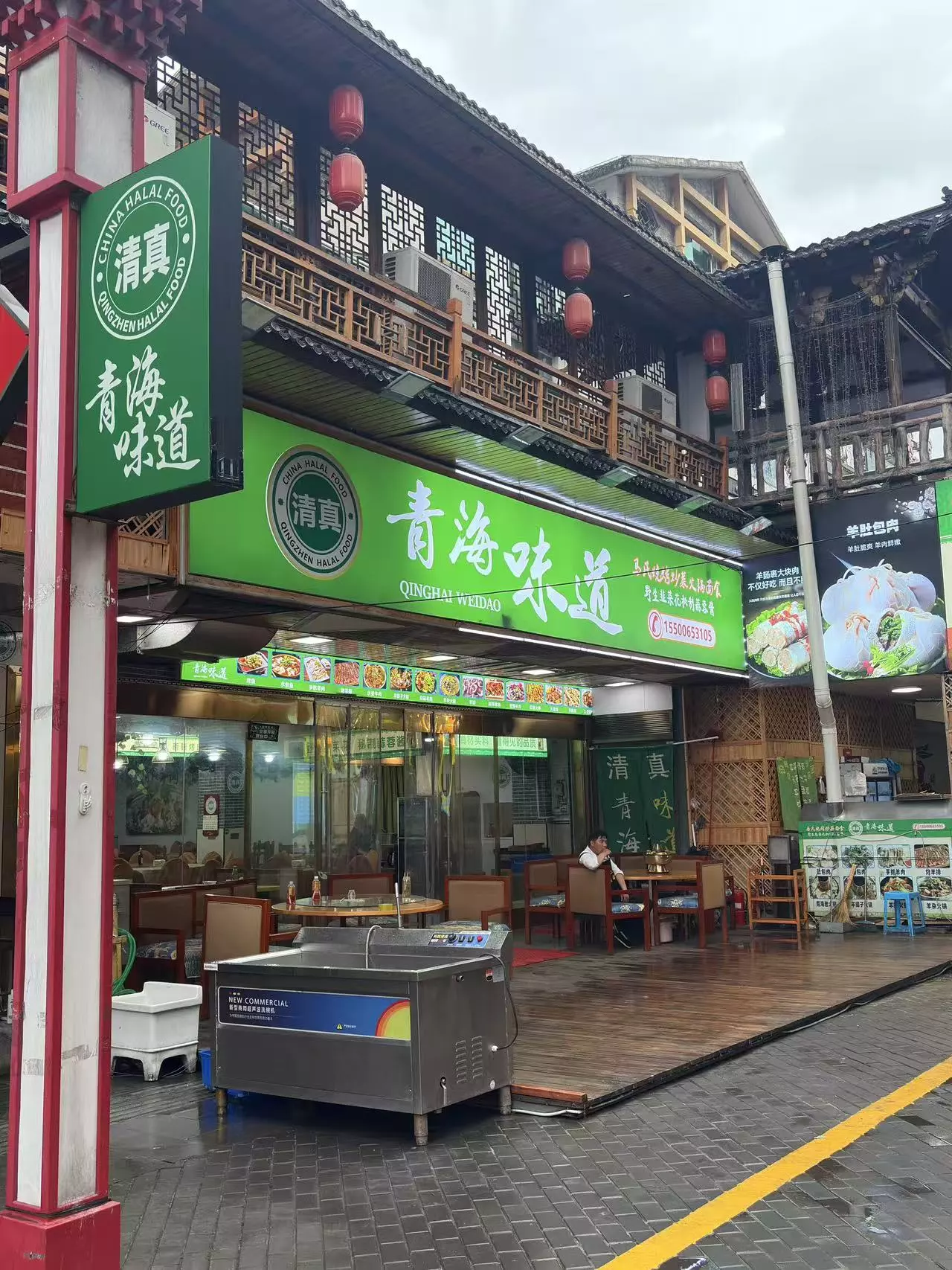
Look for the characters 清真 (qīngzhēn) — usually green, often with a crescent moon or a China Islamic Association plaque, and staff in a hijab or kufi. The short spoken question is “清真吗?” (qīngzhēn ma? — is this halal?).
To name what you avoid, say “不要猪肉、猪油或酒” (no pork, no lard, no alcohol). On your phone, search Dianping or Amap for “清真餐厅”.
Here is the part we never soften. A 清真 sign is where you start asking, not proof you can stop. Some halal-signed restaurants in China do serve alcohol to other customers, and “no pork, no lard” does not mean the meat was zabiha-slaughtered or the kitchen certified.
Watch a few specifics. Cooking wine (料酒) and some soy sauces carry alcohol into braised dishes, and lard (猪油) hides in pastries and fried rice. When in doubt, favour a clearly-marked 清真 place, and check what you see against your own standard.
Halal Food Beyond the Qingyang Cluster
Outside the Qingyang cluster, the confirmable halal food in Chengdu turns international rather than Sichuan. Safari on Kehua Middle Road serves Moroccan lamb and Tunisian couscous.
Tandoor on Renmin South Road does Indian butter chicken and naan, and The Sultan at Taikoo Li plates Turkish kebabs and hummus. For the wider halal Chinese food you will meet in other cities, the dish knowledge carries over.
For a reliable quick meal anywhere, Hui-run Lanzhou lamian (兰州拉面) shops are scattered across most districts.
Chengdu’s halal Sichuan food lives in the Qingyang cluster, and the international spots serve everything except Sichuan. There is no dedicated halal option we would vouch for at the panda base or inside the airport. Eat before you go, or carry something.
Timing Your Meals Around Chengdu Sightseeing
Plan your eating around the shape of each day, because the pandas and the day trips both leave you far from the cluster at mealtime.
The panda base is a morning visit — you arrive around 7:15am, and there is nothing reliably halal on site. Eat a cluster breakfast or grab a quick dan dan bowl first, then come back for a proper lunch.
Long day trips work the same way. Leshan and Emei run all day with no halal stop we would rely on, so buy lunch from the cluster in the morning and carry it.
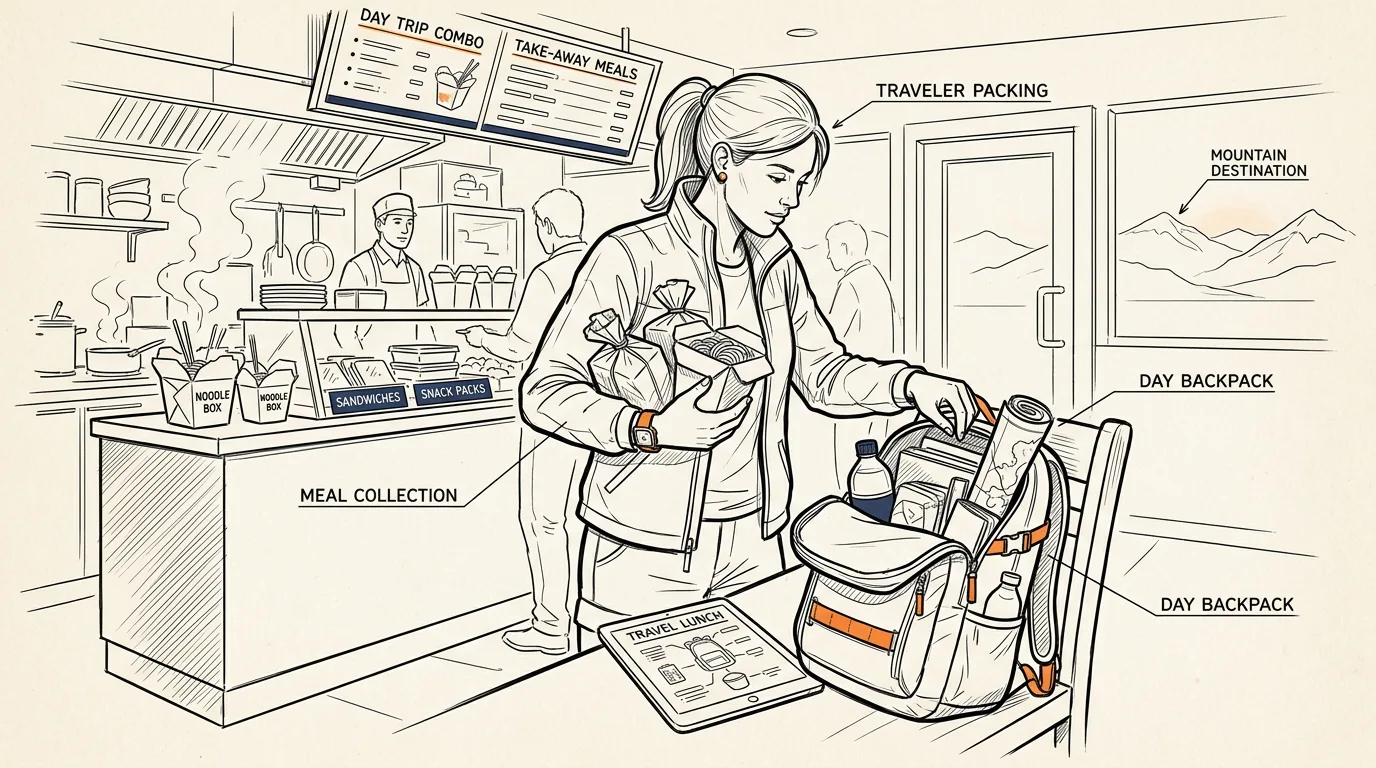
A quick noodle bowl travels; a sit-down lamb feast does not. Which halal options sit near each day’s attractions is something we can check with you on WhatsApp — send your dates and draft route.
Sitting centrally near People’s Park and Tianfu Square, the cluster doubles as the anchor for both meals and prayer. Build the day out from there and you rarely go wrong.
What Most Travelers Get Wrong
The mistake we see most is treating the green 清真 sign as the finish line instead of the starting line. Travelers book a whole trip’s eating on faith in signage, then feel caught out by a wine list at a halal-marked table.
Ask “清真吗?”, name what you avoid, and judge each place against your own standard. Do that, and Chengdu opens right up, hotpot included.
The second thing worth holding onto: the Sichuan halal food is in the Qingyang cluster, so anchor your days there and carry a meal whenever you head for the pandas or a mountain. A little planning around the cluster is what turns Chengdu from a worry into one of the easier Sichuan cities to eat well in. The wider verdict — prayer, hotels, day-trip pacing — is in our is Chengdu Muslim-friendly answer.
FAQ
Is there halal food in Chengdu?
Yes — concentrated in one pocket of Qingyang District around Huangcheng Mosque, about a 10-minute walk west of Tianfu Square: beef sit-downs like Tianfanglou, halal Sichuan classics, and dedicated halal hotpot. Outside the cluster, the reliable options turn international, plus Hui-run Lanzhou noodle shops across most districts.
Is there a halal food street in Chengdu?
No official one. The closest thing is the cluster of halal restaurants around Huangcheng Mosque in Qingyang District — anchor your meals and prayer there and build each day out from that base.
Is hotpot in Chengdu halal?
At dedicated halal hotpot houses, yes — Huangcheng Muslim Hotpot in the Qingyang cluster runs broths of halal beef, lamb and chicken with Sichuan peppercorns, without alcohol. Ask for the split pot (yuan yang) to get one mala side and one mild.
Is mapo tofu halal?
It can be: the halal version is made with ground beef or lamb instead of pork, and the Qingyang cluster’s restaurants serve it. At any restaurant without a 清真 sign, assume the standard version uses pork and cooking wine — confirm before ordering.