Last Updated on August 23, 2026 by Halalchinatrips
Let’s settle the first question immediately: yes, doing Zhangjiajie and Fenghuang on your own is cheaper. For a 5-day trip from Changsha, a careful independent traveler sharing a double room typically spends somewhere around ¥1,900–2,700 per person on transport, tickets and hotels — before meals. Our 5-day private tour starts from ¥2,365 (≈$348) per person in a full group, and costs more in a small one. Nobody should pretend that gap doesn’t exist.
What we can do is show you exactly where the gap comes from, what it buys, and when it shrinks to almost nothing — because at some group sizes it genuinely does. Both choices are reasonable. This article just does the math out loud so you can pick with open eyes.
The DIY Cost, Line by Line (5 Days, Changsha In and Out)
These figures are for the same route our tour runs: Changsha → 3 nights Zhangjiajie → 1 night Fenghuang → back to Changsha. Prices checked August 2026 against official scenic-area information and rail listings; always reconfirm on the official 12306 platform and official ticket channels before you book, since prices and schedules change by date and season.
| Item | What you pay (per person) | Notes |
|---|---|---|
| High-speed train, Changsha → Zhangjiajie | ¥160–290 (2nd class) | 2–3 h; see our Changsha to Zhangjiajie guide |
| Zhangjiajie National Forest Park entry | ¥236 | 4-day ticket, includes park eco-buses; real-name booking, bring your passport — details in the 2026 ticket policy |
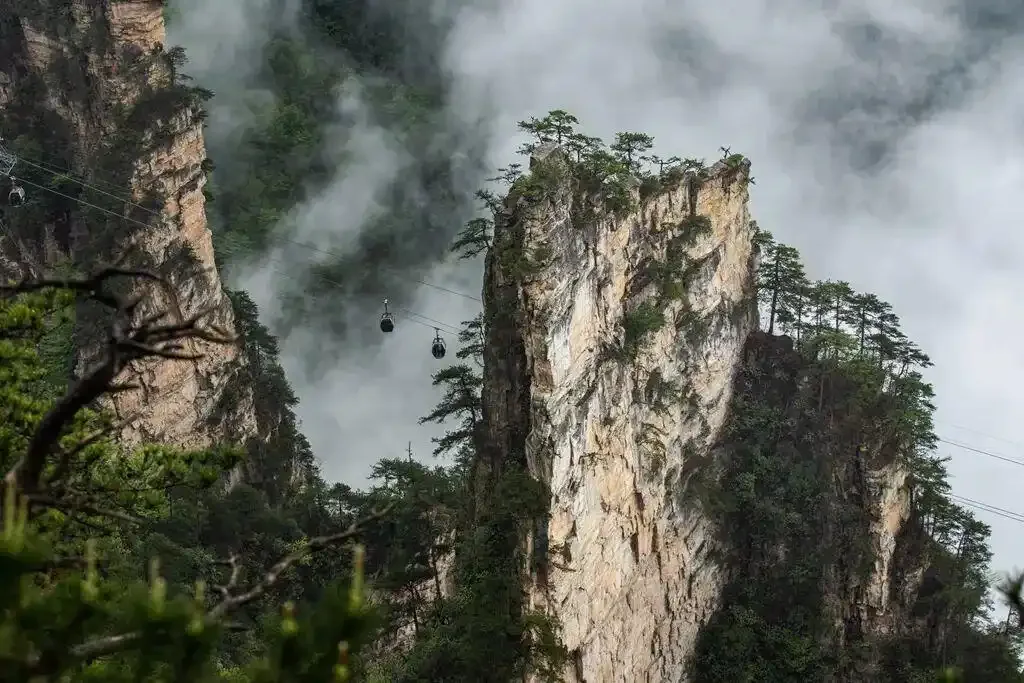
| Cableways, Bailong Elevator, gallery tram | ¥76–304 | Sold separately from park entry: each ride is ¥38–76 one way (gallery tram ¥38, Bailong Elevator ¥65, Tianzi cableway ¥72); most visitors take two to four rides — full price list in the 2026 ticket policy above |
| Tianmen Mountain (entry + round-trip cableway/transport) | roughly ¥235–285 | Varies by route and season; book a time slot in advance |
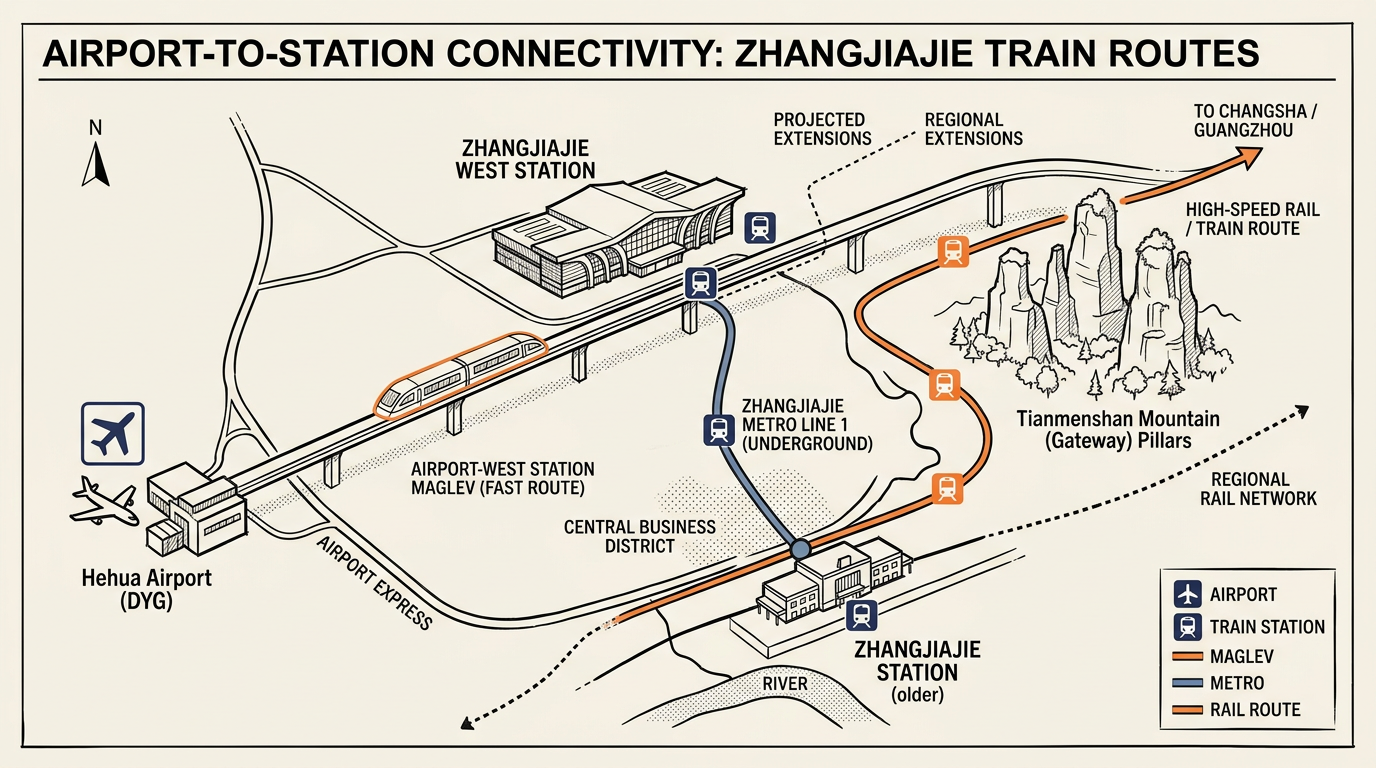
| Train, Zhangjiajie → Fenghuang Gucheng station | usually under ¥100 (2nd class) | About 1 h, then a 30–40 min transfer into the old town — the step most people forget, covered in our Zhangjiajie to Fenghuang train guide |
| Fenghuang old town | ¥0 (walking) / ¥120 optional boat | Strolling the riverside and bridges is free; the Tuojiang boat ride is about ¥120 |
| Train, Fenghuang → Changsha | roughly ¥100–180 (2nd class) | About 2 h |
| Hotels, 4 nights | ¥500–900 | Sharing a comfortable local 3–4 star double; solo travelers pay roughly double this line |
| Local taxis and transfers | ¥150–300 | Airport/station runs, park gates, Fenghuang station shuttle |
| Realistic total | ≈ ¥1,900–2,700 per person | Two people sharing a room, before meals |
Meals aren’t in the table because they’re the same both ways: our tour deliberately leaves lunches and dinners open too, so you order what you like at halal restaurants instead of eating a fixed set menu.
So a 5-day DIY trip is real and doable at around ¥2,000-something per person. If you’re a confident solo backpacker who enjoys logistics, you can stop reading here — genuinely. Our halal food guide, transport guides and ticket explainers are free, and we wrote them to be used.
What the DIY Price Doesn’t Include: Six Jobs You Take On
The price gap between DIY and a private tour isn’t margin on tickets — tickets cost what they cost. The gap is the price of six jobs. On a DIY trip, you are the one doing them.
1. Real-name ticket booking, on a timer. Park entry, Tianmen Mountain time slots and train seats all use real-name booking against your passport, and popular dates sell out. One traveler on Reddit described exactly this pressure: everything bookable, but each booking a small deadline you can’t miss. Get one wrong — a sold-out Tianmen slot, a mismatched passport number — and a whole day reshuffles.
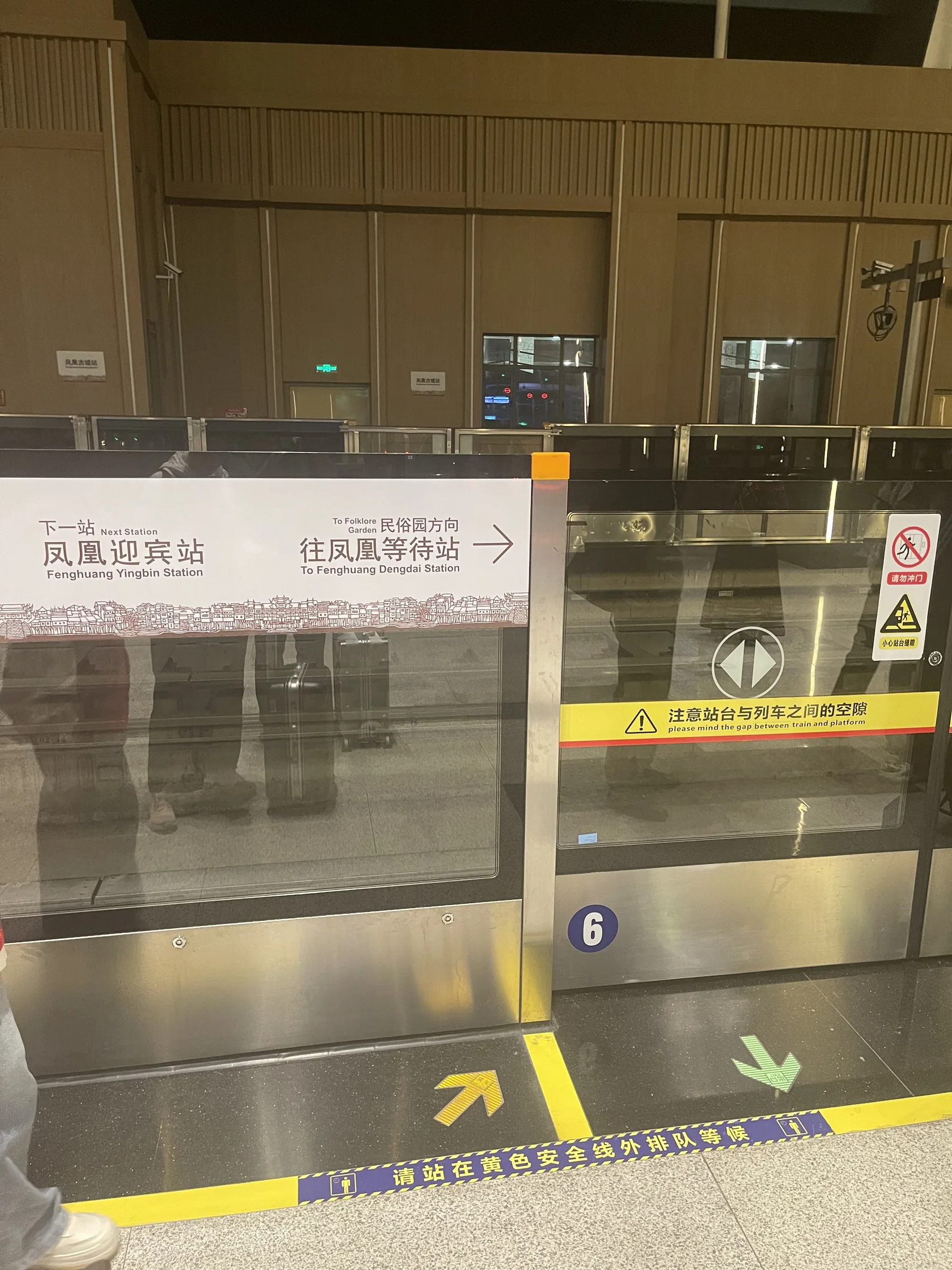
2. The Zhangjiajie–Fenghuang connection. This is the leg that makes people give up. In travel forums you’ll find travelers who wanted both places and dropped Fenghuang because the connection felt “off-route and very long.” It isn’t hard once you know the sequence — train to Fenghuang Gucheng station, then the transfer into the old town — but you’re managing luggage, timing and a station 30–40 minutes from where you actually sleep.
3. Language. Zhangjiajie is not Shanghai. Outside hotels, English is thin: drivers, ticket windows and restaurant staff mostly work in Chinese. Translation apps close most of the gap most of the time — until the moment something is time-sensitive, like finding the right eco-bus line inside the park at 4 pm.
4. Halal information you can’t fully trust. This one is specific to Muslim travelers, and it’s the job that doesn’t show up in any cost table. Halal options in Zhangjiajie are few and they change; in Fenghuang, fewer still. Travelers increasingly ask AI tools, and we’ve seen Reddit reports of AI assistants confidently inventing halal markets that don’t exist. Every restaurant we send guests to is pre-verified by our own team on the ground — that’s not something an app can promise yet.
5. Routing the park itself. Zhangjiajie National Forest Park is a 4-day-ticket-sized place with five gates, and the difference between a good day and an exhausting one is route order: which gate, which cableway first, where you’ll be at lunch, whether your knees meet 900 steps at 5 pm. First-timers routinely lose half a day to backtracking. The 4-day ticket validity is generous precisely because the park is easy to do inefficiently.
6. Being the person problems escalate to. When rain closes a cableway, when a train is missed, when a hotel booking looks wrong at check-in — on a DIY trip, that’s your evening. One traveler who always joins group trips put her reason simply: if anything goes wrong, “the tour manager sorts it out.” That sentence is most of what a tour actually sells.
None of these six is impossible. Young, experienced independent travelers handle all of them every week, and enjoy it. The honest question is not “can it be done” but “do you want these to be your job on this trip” — especially if you’re travelling with parents, kids, or a group whose halal standard isn’t negotiable.
What a Private Tour Actually Charges For
Now the other column. On our Zhangjiajie & Fenghuang 5-day private tour, the price includes the six jobs above, done by people who do them daily: all tickets booked and time-slotted against your passports before you land; every transfer from airport pick-up to final drop-off, including the Zhangjiajie → Fenghuang road leg with your luggage in the car; a full-time English-speaking guide; every cableway, the Bailong Elevator and the gallery tram pre-paid; halal restaurants pre-verified by our local team, with prayer time built into each day’s route rather than squeezed around it.
There’s also a layer that’s specific to Muslim-friendly operation, and it’s fair to name it as a real cost rather than pretend it’s free: verifying halal kitchens one by one, planning routes so that prayer and sunset timing actually work, and choosing hotels where an early breakfast and a quiet corner for Fajr aren’t a negotiation. A Muslim-friendly trip is structurally more work to run than a standard one. That work is in the price — it’s the part of the price we’re least willing to cut.
What’s deliberately not in the price: lunches and dinners (your guide takes you to verified halal restaurants and you order freely — set meal plans can be added if you prefer), and anything you’d rather book yourself. The full includes/excludes list is on the tour page.
Why Some Tours Are Cheaper Than DIY — Read This Before You Book One
Here’s the part of the market that confuses everyone: you will find package tours priced below the DIY numbers in our table. Tickets, hotels, transport and a guide, for less than the raw cost of tickets and hotels. That arithmetic doesn’t work — unless the tour makes its money somewhere else.
The common mechanism, widespread enough in the industry that it has its own vocabulary, is the shopping stop: the itinerary quietly includes visits to jade shops, silk showrooms or medicine halls that pay the operator commission on what the group buys. The ticket price is subsidised by those hours of your holiday. It’s why seasoned travelers on forums warn that cheap group tours in China are “a red flag” — not because guided travel is bad, but because a price that beats DIY has to be paid back somehow, usually in your time and pressure to buy.
So when you compare prices, compare the mechanism: a tour priced below cost is monetising you inside the trip; a transparent tour prices the actual work and then leaves you alone. Ours is the second kind — no shopping stops, written into the itinerary as a promise. If you’re weighing a cheap package against DIY, that’s the one question to ask the operator: where does the difference come from? (We’ve written more about this trade-off in booking your China trip yourself vs using a halal tour operator.)
The Math for Groups: Why 6–14 People Changes Everything
The single biggest lever on price isn’t negotiation — it’s headcount. A private guide and a private vehicle cost roughly the same whether 2 or 12 people sit behind the driver, so the per-person price falls steeply as a group grows. On our tour, as published on the tour page, two travelers pay ¥4,579 each, six pay ¥2,846, and a full group of fourteen pays ¥2,365 (≈$348) each — always confirm current prices there.
Put that next to the DIY column and something interesting happens: at 8 or more people, the fully-arranged private tour lands inside the same ¥1,900–2,700 range a careful DIY traveler spends anyway. At that point you’re no longer paying a premium for the guide, the car, the bookings and the halal verification — you’re getting them for roughly the cost of organising the trip yourself.
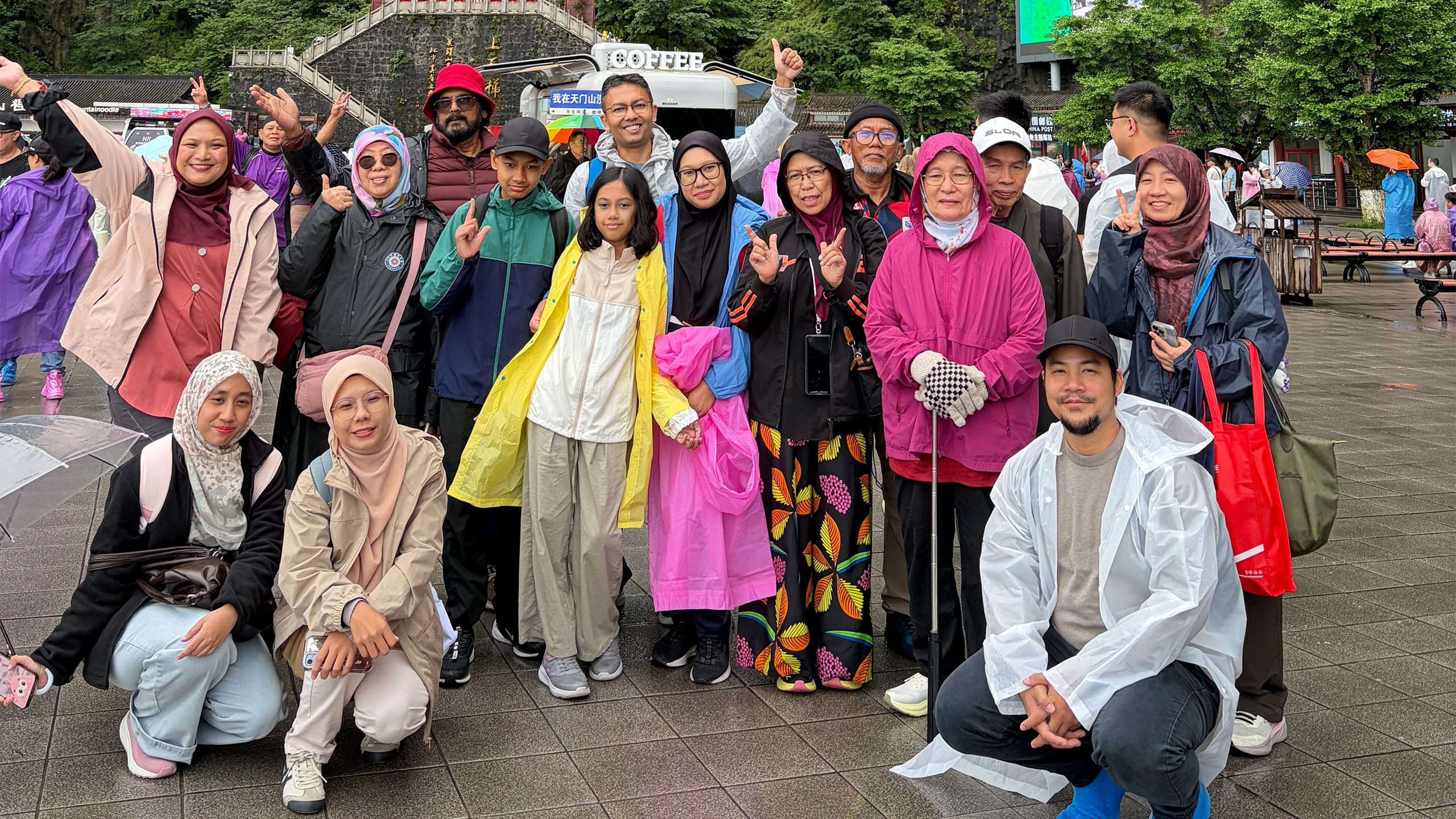
That’s why we’d rather you bring people than bargain: a family reunion, a masjid travel circle, three families from the same neighbourhood. And if you’re one or two people without a group, ask us on WhatsApp whether an upcoming group departure has space — joining one gets a couple close to large-group pricing without knowing twelve other travelers.
So Which Should You Choose?
An honest sorting, from people who profit from only one of these answers:
DIY is the right call if you’re an experienced independent traveler, your dates are flexible, you enjoy logistics as part of the fun, and your halal standard has room for self-catering days. Take our free guides and go — you’ll have a great trip.
The private tour is the right call if any of these is true: you’re bringing parents or young children; your halal standard is strict and non-negotiable; your leave is short and a lost half-day is expensive; you’re organising 6+ people and the per-person math above just closed the gap; or you simply don’t want six extra jobs on your holiday.
If you’re still not sure, send us your dates and group size on WhatsApp — we’ll lay out both versions of the math for your exact group, including the DIY option, and you can decide from there.
FAQ
Is it cheaper to visit Zhangjiajie without a tour?
Usually yes. A careful independent traveler sharing a room spends roughly ¥1,900–2,700 per person for 5 days from Changsha, before meals. Small private groups pay more than that for a tour; at around 8+ people, private-tour pricing falls into the same range as DIY costs.
Do you need a guide for Zhangjiajie National Forest Park?
No — the park can be visited independently. A guide earns their fee mainly through route order (the park has five gates and many transport combinations), time saved, language help, and handling problems like weather closures. First-time visitors without one should plan gate choice and cableway routes before arriving.
Why are some Zhangjiajie group tours cheaper than doing it yourself?
A price below the raw cost of tickets and hotels is usually subsidised by commissioned shopping stops built into the itinerary. The operator earns from what the group buys at jade, silk or medicine showrooms. Compare what a price includes — and what mechanism funds it — rather than the number alone.
Can Muslim travelers do Zhangjiajie on their own?
Yes, with preparation. The two extra jobs are food and prayer: halal options are limited in Zhangjiajie and scarcer in Fenghuang, so restaurants need checking in advance (don’t rely on AI suggestions — verify), and prayer needs planning around long park days, since neither Zhangjiajie nor Fenghuang has a public mosque for visitors.