Last Updated on August 20, 2026 by Halalchinatrips
There are three ways to organize a China trip: book everything yourself on platforms like Trip.com and Klook, join a group tour sold by a travel agency in your home country, or have a China-based operator run the ground portion of the trip privately. The price tags usually rise in that order — and if halal food and prayer times don’t shape your travel day, the cheapest route is often the right one.
For Muslim travelers, the comparison works differently, because the three price tags don’t buy the same trip. Someone has to check every restaurant, fit five daily prayers around sightseeing, and pick hotels that work for a practicing family. That work always costs something. The only question is who carries the cost: you, nobody, or the operator.
Our team plans halal itineraries across China week in, week out — it is the only thing we do — so this is our attempt at an honest version of that comparison, including the cases where you should not hire us.
The Three Ways to Visit China — and Why Their Prices Don’t Compare
Most frustration about tour pricing starts with comparing quotes that contain different things. The travel trade separates two products that look similar on a price list:
- A join-in group tour is sold by an agency in your own country, departs on fixed dates, and usually includes international flights. You share a bus and a schedule with whoever else booked.
- A ground tour covers everything after you land — guide, private vehicle, hotels, tickets, meals — but not international flights. You choose the dates, the cities, and the pace. This is what China-based operators like us sell.
DIY is the third option: you become your own operator, assembling flights, hotels, trains, and tickets piece by piece.
| What the price covers | Join-in Group Tour | Private Halal Ground Tour | DIY |
|---|---|---|---|
| International flights | Usually included | Not included — you book your own | You book your own |
| Guide and transport in China | Shared bus, fixed route | Private vehicle, your route | None — public transport or taxis |
| Halal meals | Sometimes “Muslim-friendly”, rarely verified per restaurant | Pre-verified restaurant by restaurant | Your own research, every meal |
| Prayer arrangements | Not part of the schedule | Built into each day’s plan | Your own planning |
| Shopping stops | Common | None | None |
| If something goes wrong | Tour leader handles the group first | Dedicated team on WhatsApp | You handle it |
So before judging any quote — ours included — line up what it contains. A flight-inclusive group tour price and a ground tour price are not the same product, and neither is comparable to a DIY spreadsheet that quietly assumes forty hours of your own research time cost nothing.
Why Muslim Travel in China Costs More Than Conventional Travel
Here is the part most comparison articles skip: for the same cities and the same hotels, a properly organized Muslim itinerary costs more to run than a conventional one. Not because anyone adds a “halal surcharge”, but because four pieces of real work exist that a conventional trip doesn’t need.
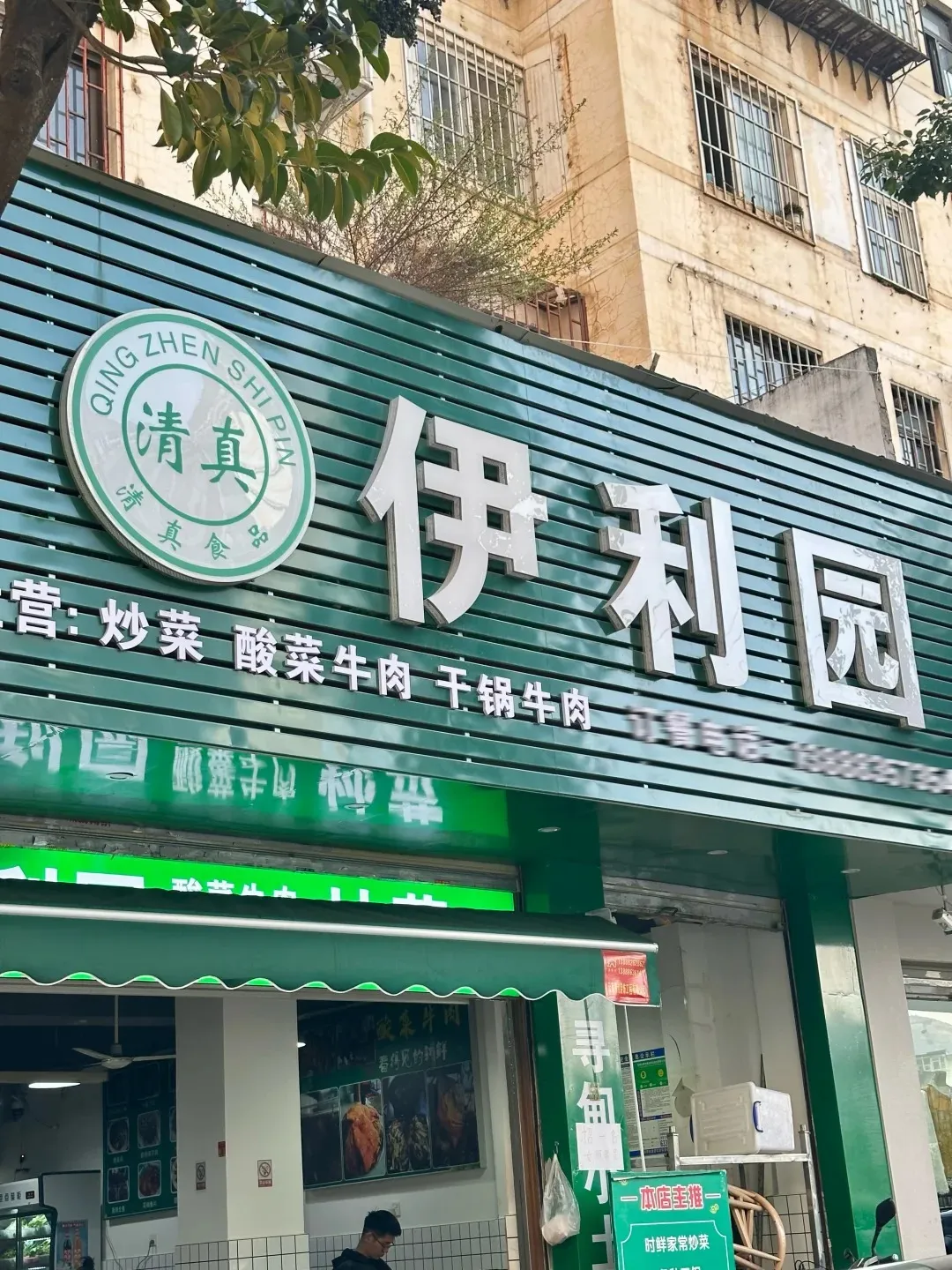
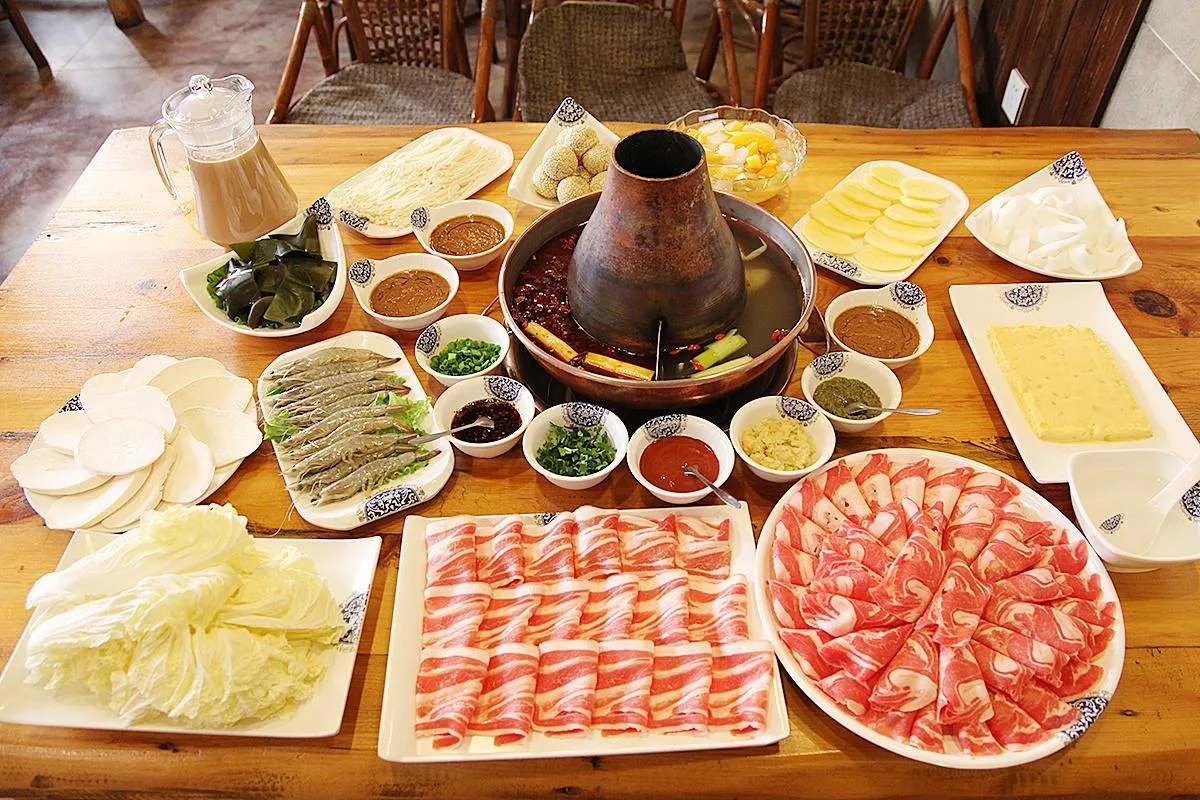
Halal food has to be verified, restaurant by restaurant. Outside China’s northwest, halal restaurants are a thin network, not a default option. A “halal” tag on a map app or review platform is a starting point, not proof. When we place a restaurant into an itinerary, we confirm how it is run and where its meat comes from, call to confirm it is still operating — small halal restaurants close and move often — and re-check shortly before the group arrives. Multiply that by every lunch and dinner on a ten-day route. Our guides to halal food in China and what halal Chinese food actually looks like show what that research involves for even one city.
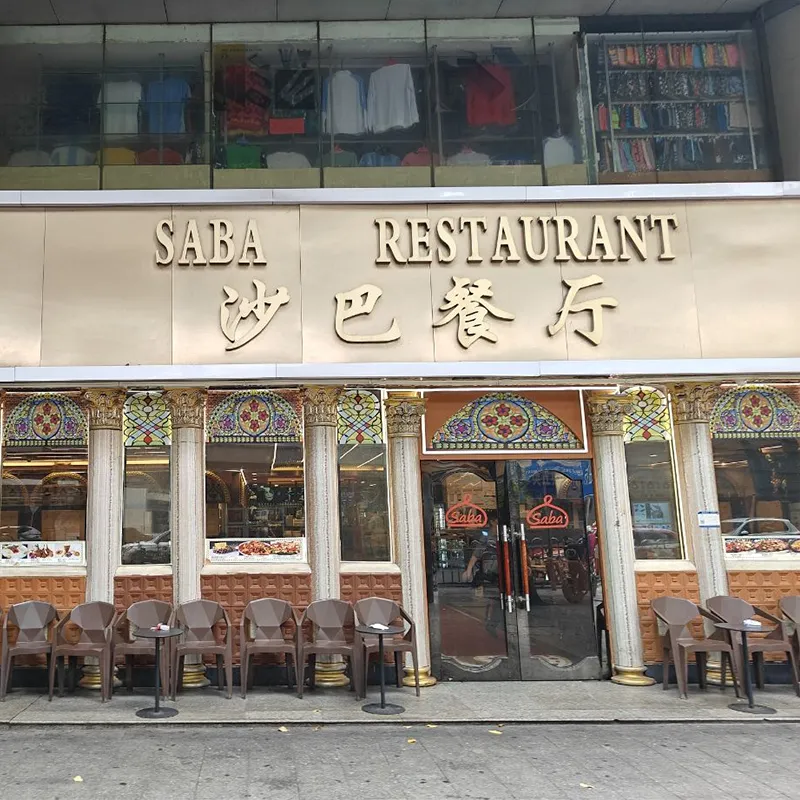
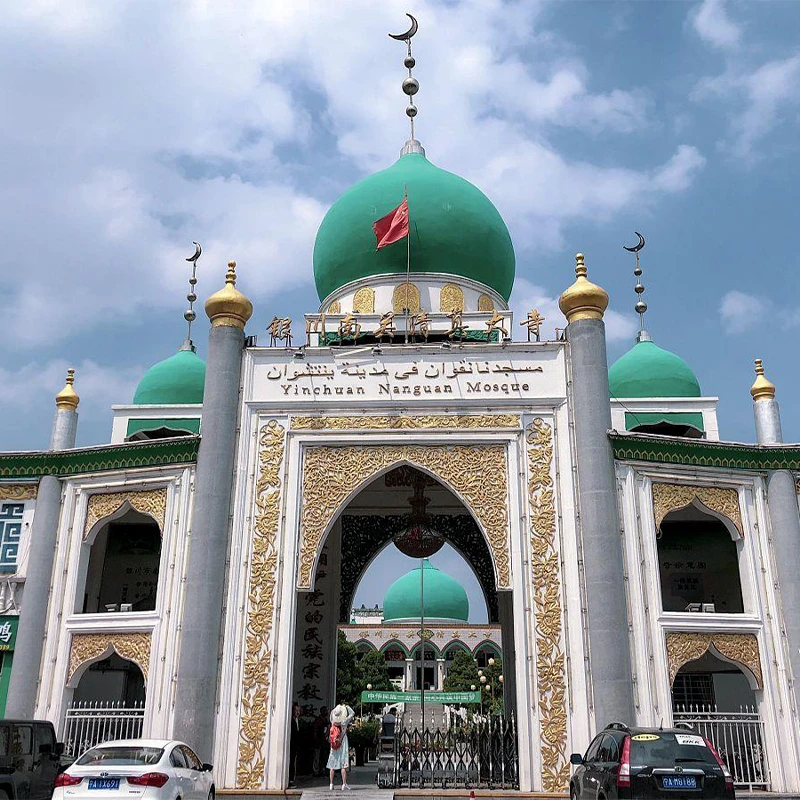
Prayer has to be planned, not assumed. In Xi’an or Yinchuan, a mosque is rarely far away. In Zhangjiajie — one of the most spectacular places in China — there is no mosque open to visitors at all, so prayer means a clean space in your hotel room, timing built around the cable car queues, and a vehicle available at the right moments. That is a planning problem, and it changes how a day must be scheduled.
Hotels have to be screened. Location relative to halal food, room space for prayer, breakfast that a practicing family can actually eat — these filter out many of the cheapest properties a conventional tour would happily use.
The route has to breathe. Fixed meal windows and prayer times mean a Muslim itinerary cannot be compressed the way budget routes are, with dinner at whatever hour the bus happens to arrive. A workable day is planned around Maghrib, not around squeezing in one more stop.
These four costs exist for anyone who takes halal seriously. A cheap trip doesn’t remove them — it hands them to you, or drops them entirely.
If you want to know what the halal situation genuinely looks like in a city you’re considering, send us the city name on WhatsApp and we’ll tell you straight — that’s a five-minute answer for us either way.
Why the Cheap Group Tour Is So Cheap
When a flight-inclusive group tour undercuts a ground tour that doesn’t even contain flights, the price is being subsidized somewhere. Three mechanisms do most of the work, and all three are standard practice across the industry rather than any one company’s trick:
- Shopping stops. Many low-priced group tours include scheduled visits to jade, silk, latex, or tea showrooms. The stores pay commissions back to the operator, which is what makes the headline price possible. You pay with your afternoon instead of your wallet — typically an hour or two per stop, several stops per trip.
- Fixed departures at scale. One bus, one route, forty seats. Genuinely efficient, and genuinely inflexible.
- Meals to a minimum standard. Set menus at set restaurants. On the halal question, this usually means “Muslim-friendly where convenient” rather than verification — worth asking about very specifically before you book.
None of this makes group tours a scam; it makes them a different product with a subsidized price. We run our trips with a no-shopping-stops promise, which honestly stated is one reason our quotes are higher than flight-inclusive group tours: nothing in the itinerary is paying us back.
What DIY Really Involves for a Muslim Traveler
DIY is completely doable — thousands of independent travelers manage China every month, and Trip.com and Klook are genuinely good tools for flights, hotels, trains, and attraction tickets. The honest question is not whether you can, but what the unpaid job actually contains. Before you decide, this is the checklist:
- Payments and apps. Set up Alipay or WeChat Pay, a translation app, and a VPN if you want your usual services; foreign cards work far less widely than at home. On a ground tour, this still matters — but nothing in your day depends on it working.
- Attraction reservations. Major sights increasingly require real-name, timed online booking that can sell out in peak season — see our breakdown of Zhangjiajie’s 2026 ticket policy for how involved one park’s rules can get. On a ground tour, tickets are booked before you land.
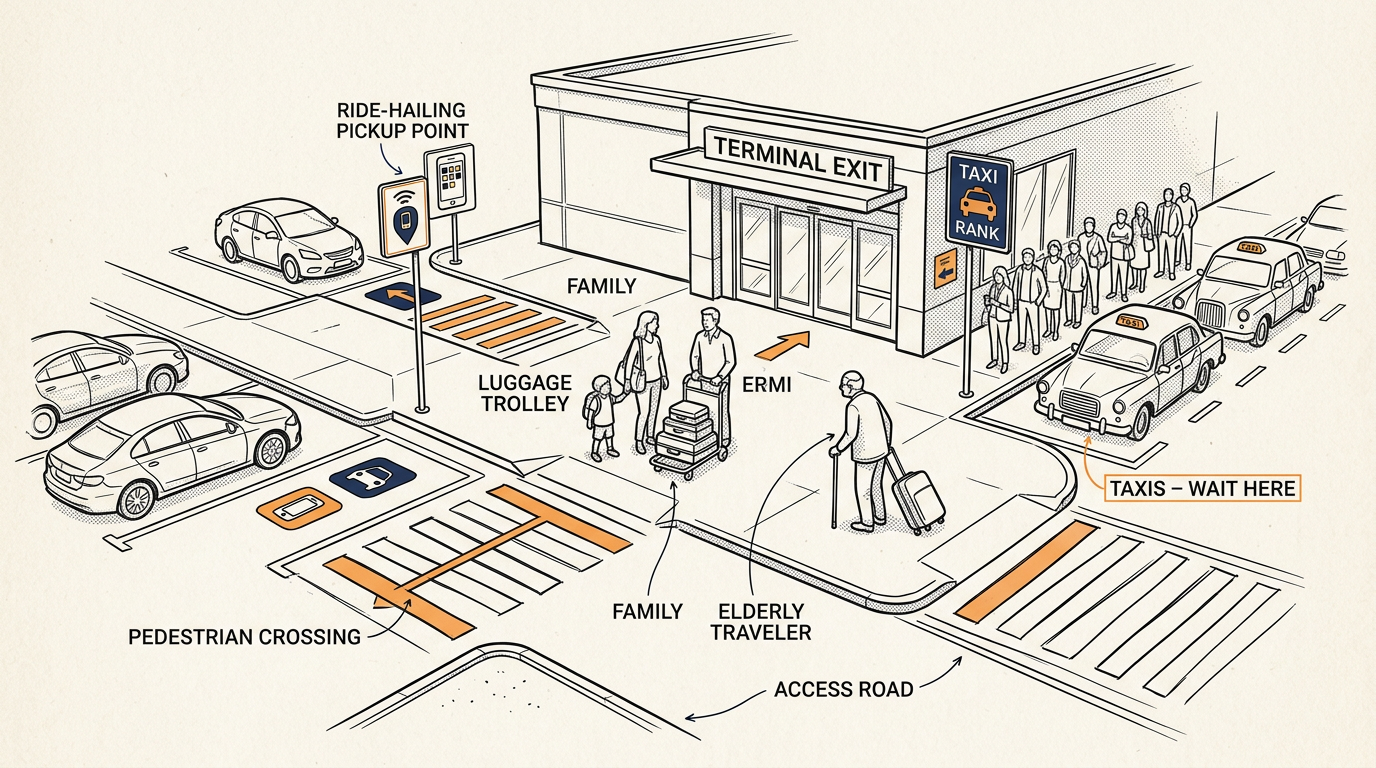
- Intercity legs. Trains between cities book out around holidays, and station transfers with luggage and children are their own project. On a ground tour, a driver is waiting at the exit.
- Every single meal. Finding a candidate halal restaurant, confirming it is really halal and really open, and building your day so you reach it at meal time — repeated twenty times on a ten-day trip. This is the item that surprises people most.
- Prayer logistics. Which prayers happen at the hotel, which on the road, and what happens on a day inside a mountain park — planned per day, per city.
- When something breaks. A cancelled train or a closed restaurant at 7pm is yours to solve, in a language you may not read.
If you read that list and feel energized — you’re a planner, you have the time, you’re doing one city in a week — DIY is genuinely your best option, and our free guides like the 3-day Zhangjiajie itinerary and China travel tips for Muslim travelers are written to be used exactly that way, no booking required.
If you read it and see a second job, that job is literally what a ground tour price pays for.
Which Option Fits You — an Honest Decision Guide
DIY fits you if: you’re covering one or two cities, your dates are flexible, your budget is tight, you’re comfortable in English-plus-translation-app situations, and you enjoy the research. Solo travelers and couples do this well.
A join-in group tour fits you if: you want flights, visa help, and ground arrangements in one payment from a company in your own country, you can live with fixed dates and a shared schedule, and “Muslim-friendly meals where possible” is acceptable to you. Just ask the shopping-stop and halal-verification questions below first.
A private halal ground tour fits you if: you’re crossing multiple cities, traveling with elders or children, or organizing a group — and you want halal handled with certainty rather than optimism. This is where our trips live: private vehicle, English-speaking guides, every restaurant pre-verified, prayer built into the day, no shopping stops.
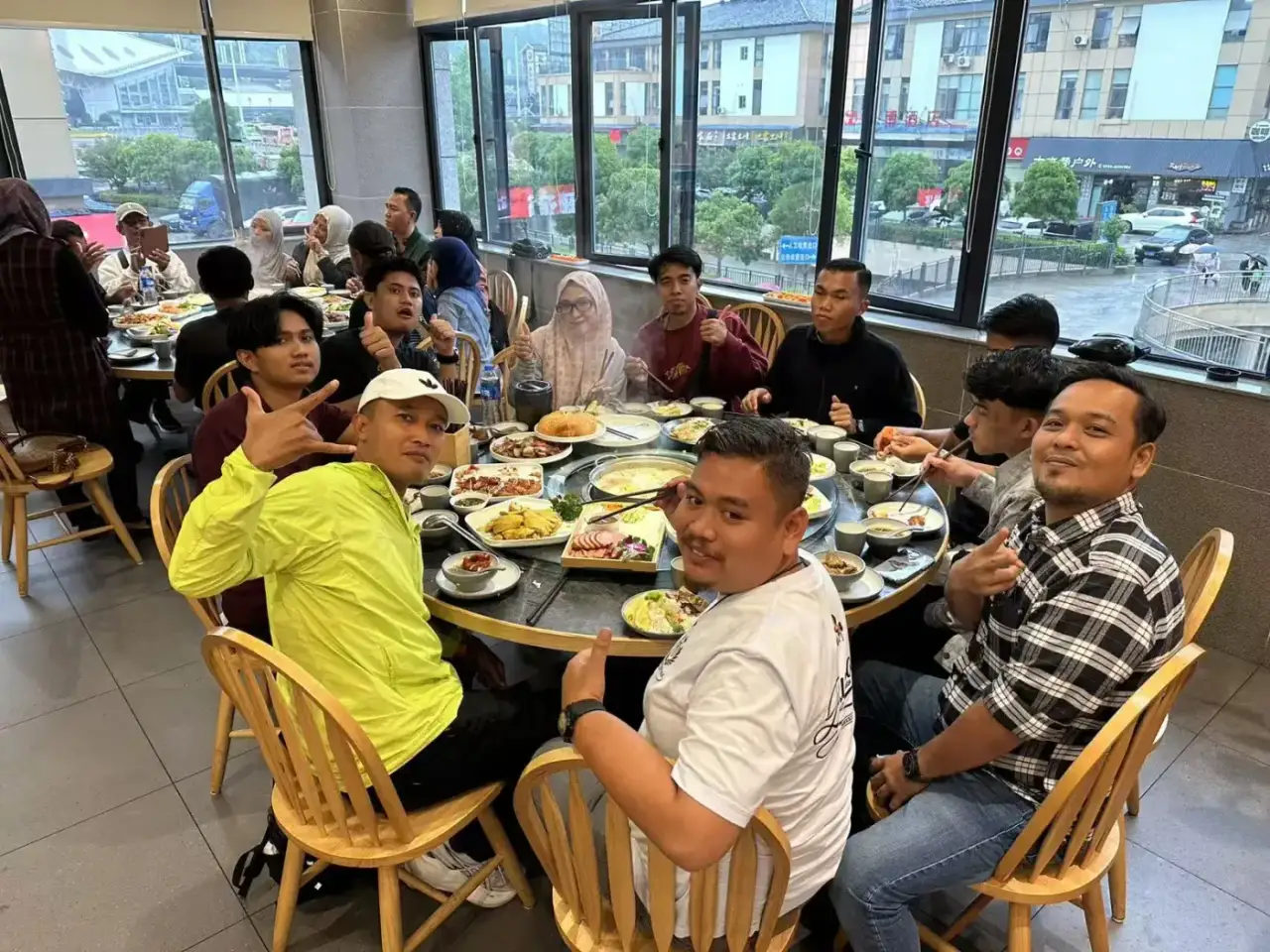
A note for group organizers. If you’re bringing ten to thirty people — a mosque group, an extended family, a company — the economics shift in your favor: a private ground tour splits its fixed costs across the group, so the per-person price falls while the halal standard stays uniform for everyone, which is exactly the thing that’s hardest to guarantee when a big group tries to DIY meals. Tell us your group size and we’ll show you how the math works at your scale.
Whatever your situation: message us on WhatsApp with your group size, days, and the cities you’re considering, and we’ll tell you which of the three routes makes sense at your numbers — even if the honest answer is that you should book it yourself.
Questions to Ask Any Tour Operator Before You Pay
Take these five questions to every operator you’re comparing, including us. The answers separate real halal operations from marketing copy.
- “Are there any shopping stops, and is that written into the itinerary?” — Our answer: none, ever, and yes — the no-shopping promise is stated on every itinerary we send.
- “How do you verify halal, and can I see the restaurant list for my trip?” — Our answer: verified restaurant by restaurant before your trip, re-checked before arrival, and yes, your itinerary names the restaurants.
- “How are the five daily prayers handled on a sightseeing day?” — Our answer: planned into each day’s schedule in advance — including honest answers where no mosque exists, as in Zhangjiajie, where we plan hotel and en-route prayer instead.
- “What exactly does the quote include — flights, tickets, transfers, meals?” — Our answer: everything on the ground — guide, private vehicle, hotels, attraction tickets, halal meals, transfers — with no international flights and zero hidden fees; every inclusion is itemized in writing.
- “Who do I contact when something goes wrong at 9pm, and how fast do they answer?” — Our answer: the same WhatsApp number you booked through — it stays your contact line for the whole trip while you’re in China.
Any operator worth paying will answer all five in writing without hesitation. If an answer is vague — especially on questions 1 and 2 — the discount you’re getting has a source.
FAQ
Is it cheaper to book a China trip yourself than to use a tour operator?
Usually yes, on the direct costs — DIY removes the service layer entirely. What it doesn’t remove is the work: for a Muslim traveler, that means researching and verifying every meal, planning prayer daily, and handling every booking and problem yourself. Cheaper in money, more expensive in hours; which trade is right depends on your time, group size, and route complexity.
Why do halal China tours cost more than regular tours?
Because a real halal operation carries work a conventional tour doesn’t: verifying restaurants one by one, screening hotels for practicing families, building prayer times into each day, and routing days around fixed meal windows. Low-priced group tours are additionally subsidized by commission-paying shopping stops, which halal-focused, no-shopping operators don’t use. The gap between those prices is those two differences, not a halal surcharge.
Can I book my own flights and still use a tour operator in China?
Yes — that’s exactly what a ground tour is. You buy international flights yourself (often cheaper from your home market), and the operator takes over from the arrivals hall: guide, private transport, hotels, tickets, verified halal meals, and prayer planning until departure. It’s the standard format for private halal travel in China and the one we run.
Are Trip.com and Klook reliable for booking China travel?
For flights, hotels, train tickets, and attraction entry, yes — they’re widely used and work well in China. What they don’t do is verify halal restaurants, plan prayer, or connect the pieces into a workable day; those remain your job on a DIY trip whichever platform you book through.