Last Updated on October 5, 2026 by Aaron Chen
The two things that pull travelers to Chengdu — the pandas and the famous Sichuan food — are exactly the two things Muslim travelers ask us about with a worried tone. Can you eat the real mala hotpot halal? Is there anything to eat near the panda base? Our team plans Chengdu regularly, and the honest answer is: yes, Chengdu is one of the easier Chinese cities to travel as a Muslim — the halal food is real Sichuan food, prayer is unusually convenient, and the city’s flat, unhurried pace suits families. What it asks of you is one piece of geography: almost everything halal sits in a single pocket of Qingyang District around the Huangcheng Mosque, while the pandas and the mountain day trips sit far outside it. Plan around that, and the trip runs smoothly.
(Still deciding on China as a whole? Start with halal travel in China.) Here is how we assess Chengdu, question by question.
Is It Easy to Get Halal Food in Chengdu?
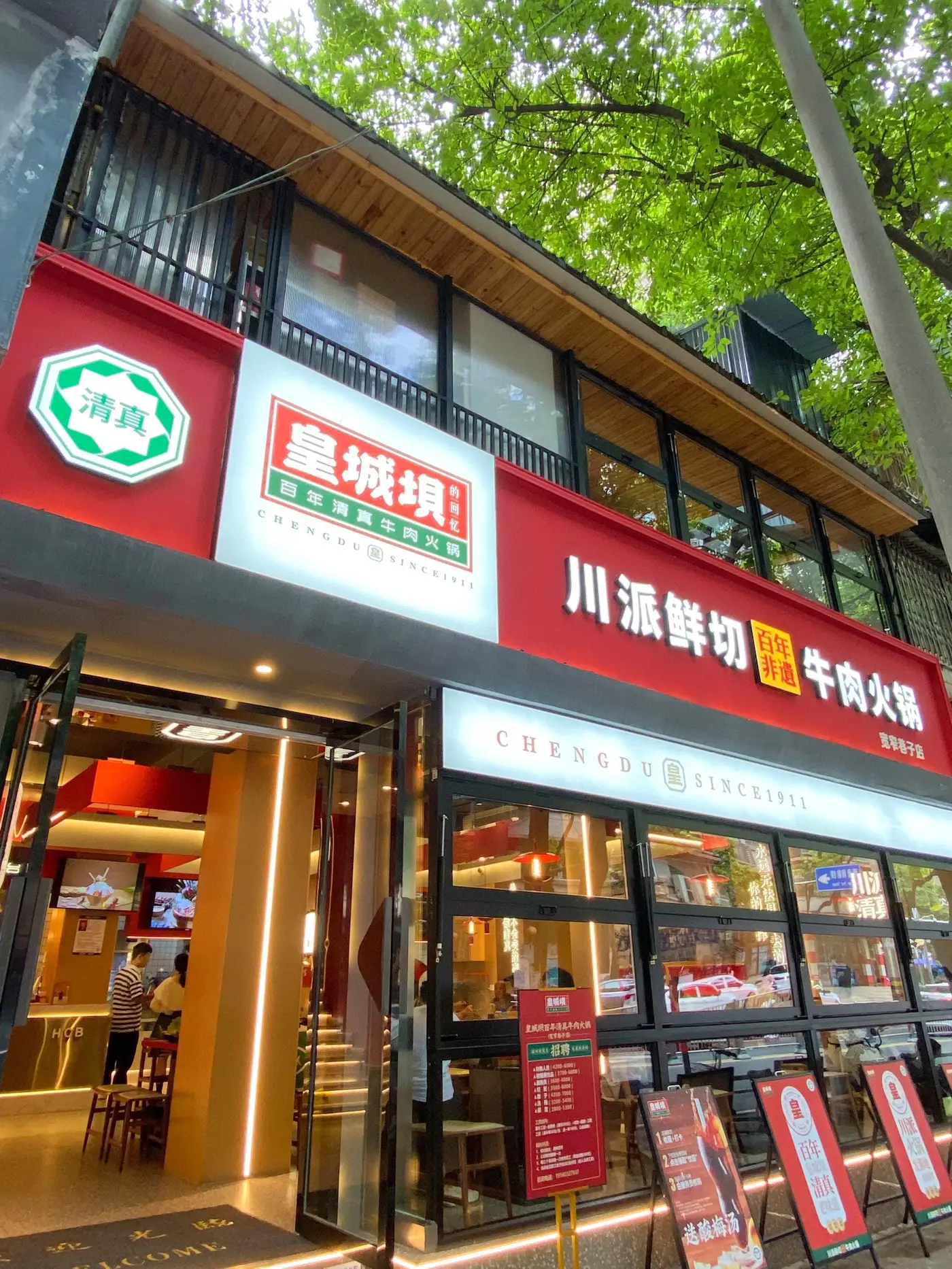
Yes — and, more to the point, it is the food you came for. Chengdu’s halal restaurants cluster in Qingyang District around the Huangcheng Mosque, about a ten-minute walk west of Tianfu Square: beef and lamb sit-downs like Tianfanglou, halal versions of the Sichuan classics, and dedicated halal hotpot houses — Huangcheng Muslim Hotpot is the cluster’s known name — running the same numbing-spicy broth the city queues for, with halal beef and lamb. Ask for the split yuan yang pot, one side mala and one side mild, and a family shares one table without anyone suffering; children who can’t take the spice at all have easy outs in the cluster’s gentler dishes — Hui-run Lanzhou beef noodles, grilled lamb skewers, plain rice plates. Our Chengdu halal food guide walks the cluster restaurant by restaurant; as with any restaurant list in China, treat names as starting points and confirm before you go.
Now the honest part, because it is where travelers get caught out. The green 清真 (qingzhen) sign is where verification starts, not where it ends: halal-marked restaurants in China can still carry a wine list for non-Muslim customers, “no pork” is not the same as a halal kitchen, and details like broth ingredients vary house by house — worth asking about directly, since a genuinely halal house answers without hesitation. Our own working rule in Chengdu is the one we use everywhere: treat the sign as the baseline, confirm with the staff, and for client trips we phone-verify each restaurant on the route before the itinerary is locked, then re-confirm near the travel dates.
Where Should You Stay?
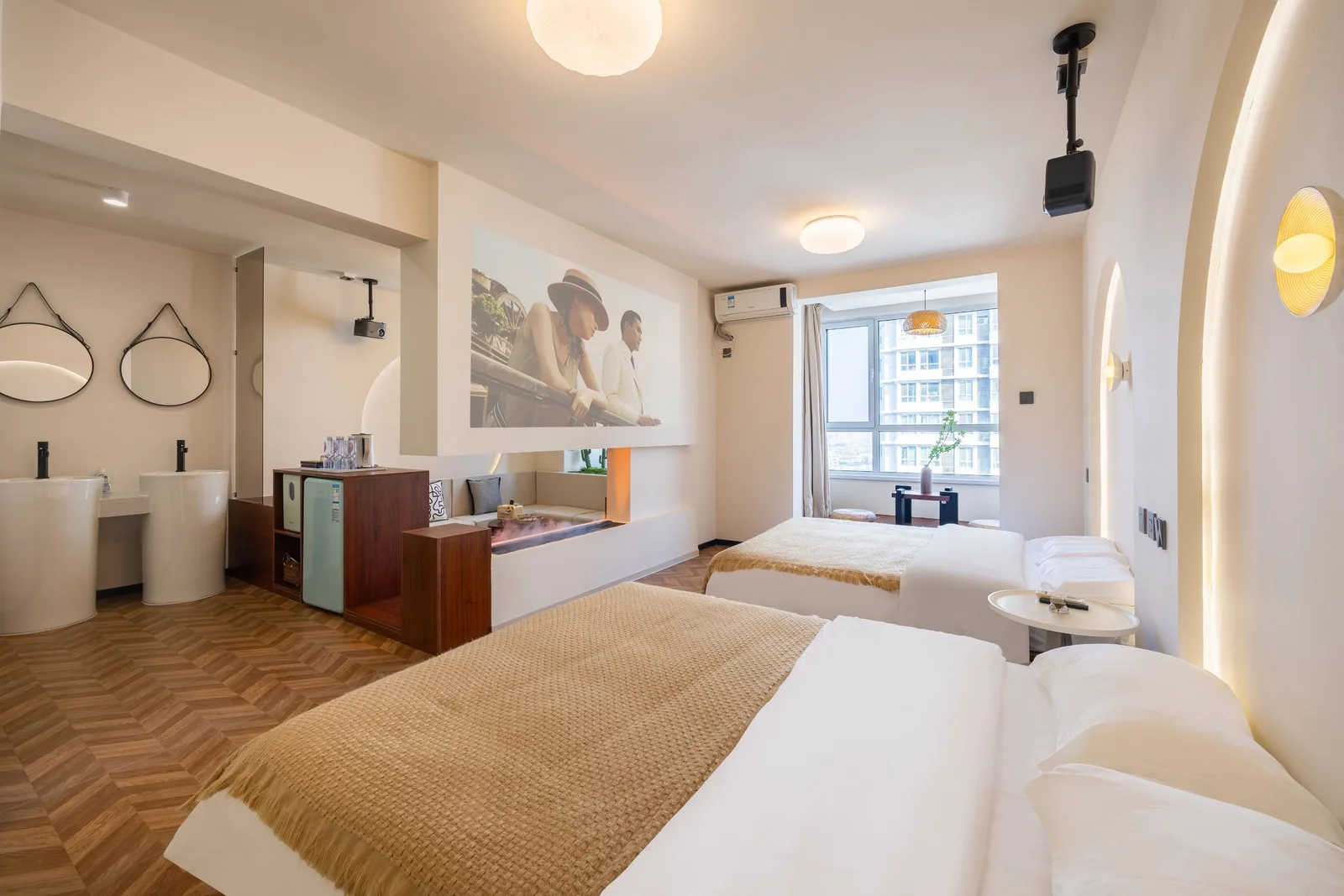
Between Tianfu Square and People’s Park, on the western edge of the center. From there, the mosque and the halal cluster are a five-to-fifteen-minute walk, Metro Lines 1 and 2 cross at Tianfu Square to reach everything else, and the day’s last prayer doesn’t depend on traffic.
Chunxi Road / Taikoo Li is the city’s default shopping base, and for shoppers it is fine — but every halal meal becomes a metro hop or a 20-minute walk: manageable for three days, wearing for a week, tiring with children. The full area-by-area logic, including why sleeping next to the panda base or Chengdu East station costs you every dinner, is in our guide to where to stay in Chengdu.
What About Prayer?
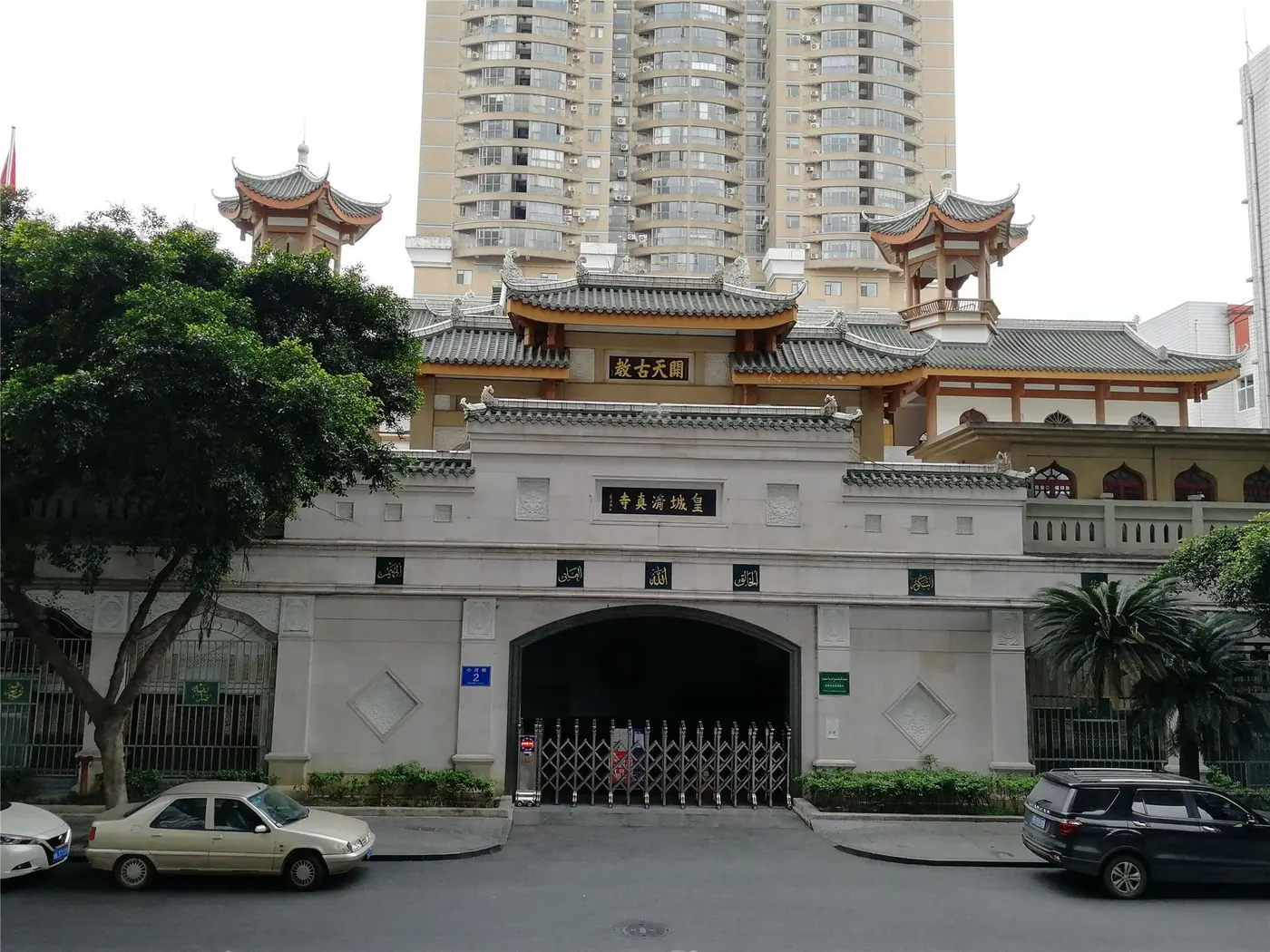
Better than in most big Chinese tourist cities outside the northwest. The Huangcheng Mosque is the largest mosque in Sichuan, with a history reaching back centuries (the current building dates from its 1998 relocation), and it sits inside the same central pocket as the food. Base yourself at Tianfu Square West and praying at the mosque becomes a walk rather than an expedition — realistically the daytime prayers for most families, with the hotel still the sensible default for Fajr, and Jumu’ah needing no special logistics if a Friday falls inside your stay. Staying elsewhere, the standard China pattern applies: pray at the hotel by default, bring a travel mat, ask for a quiet corner room, and fold the mosque into whichever day’s route passes Tianfu Square.
Two details from how we actually build Chengdu days: prayer windows go into the schedule first and the sightseeing flexes around them, not the reverse; and if the women’s prayer arrangements at the mosque matter for your group — they usually do for ours — that is one of the things we confirm before the trip rather than assume on arrival.
The Panda Problem (and the Day-Trip Problem)
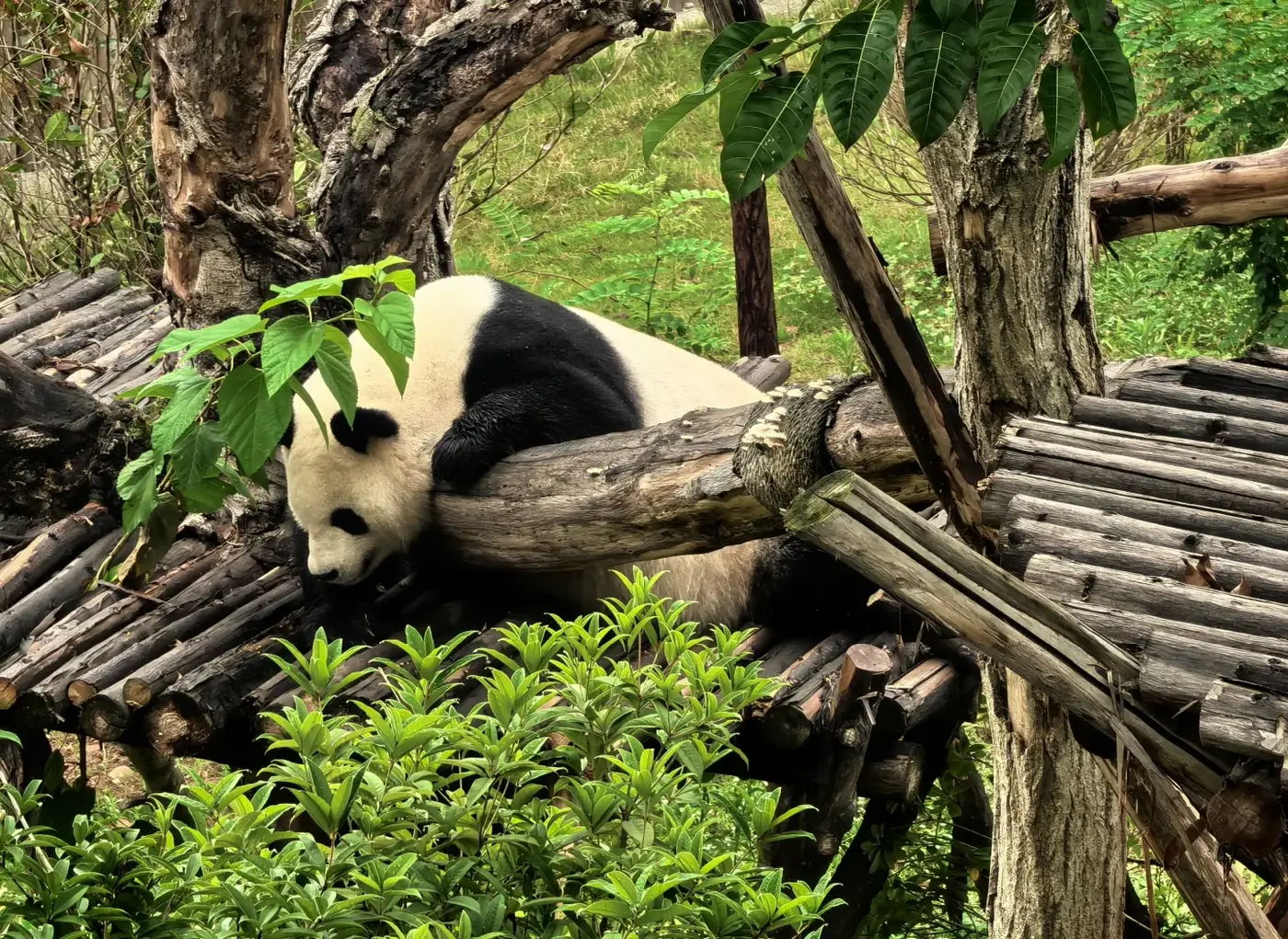
Here is Chengdu’s one genuine catch: the sights that justify the trip are exactly where the food is not. The panda base is a morning visit in the northern suburbs — you want to arrive early for feeding time, and there is nothing reliably halal on site. Leshan and Emeishan are full-day trips with no halal stop we would rely on along the way.
The solution is unglamorous and works: eat a proper cluster breakfast before the pandas and return for a real lunch; for the long day trips, buy food from the cluster in the morning and carry it — flatbreads, dry snacks and fruit hold up fine on a warm day, and a quick noodle bowl before setting out beats a cold lunch regretted at noon. Prayer on those long days gets planned the same way as the meals: in advance, around the drive. This one habit decides whether a Chengdu day ends comfortable or hungry, and it is why our panda base guide spends as much time on meal timing as on pandas.
Is Chengdu Good for Families and Older Travelers?
This is where Chengdu quietly beats its neighbors. The city is flat — a real consideration if you have just read about Chongqing’s hills and staircases — and its rhythm is built around sitting down: teahouses in People’s Park, long lunches, pandas that involve walking but no climbing (the base is big, so with grandparents we pace it as a slow morning rather than a march). Add the yuan yang hotpot table that feeds spice-lovers and children from one pot, and the walkable mosque for grandparents who want their prayers unhurried, and you have one of the most comfortable Chinese cities for a three-generation trip. Our Chengdu itinerary for Muslim families lays out the day-by-day version.
How Chengdu Fits a Longer China Route
Few travelers fly across the world for one city, and Chengdu pairs well:
- Chengdu + Chongqing — the high-speed train runs a little over an hour at its fastest, making this the easiest two-city route in western China; our Chengdu–Chongqing train guide covers the practicalities, and the two cities’ halal logistics mirror each other: one central cluster each, plan around it;
- Chengdu + Jiuzhaigou — the alpine lakes are Sichuan’s other headline act, and one of our standing itineraries (from $598 per person — the quote itemizes every line so you see exactly what’s included; no forced shopping, no hidden fees);
- Chengdu + Zhangjiajie — for a longer western-China arc toward the mountains everyone recognizes from Avatar.
If you are weighing which combination fits your days and your group, that is planning work we do daily — send us your dates and group size and we will sketch the route with the halal logistics already solved, within 24 hours and usually faster. For the city overview, see our Chengdu destination guide.
FAQ
Is there a Muslim community in Chengdu?
Yes — Chengdu has a long-established Hui Muslim community, anchored today by the Huangcheng Mosque, the largest in Sichuan. It is a smaller community than in China’s northwest, which is why the halal food concentrates in one district rather than appearing everywhere.
Which Chinese city is the most Muslim-friendly?
The northwest — Xi’an, Lanzhou, Xining — where Muslim communities are largest and halal food is everywhere. Among the big tourist cities elsewhere, Chengdu ranks well: a central mosque, a real halal cluster, and manageable logistics.
Can you wear a hijab in China?
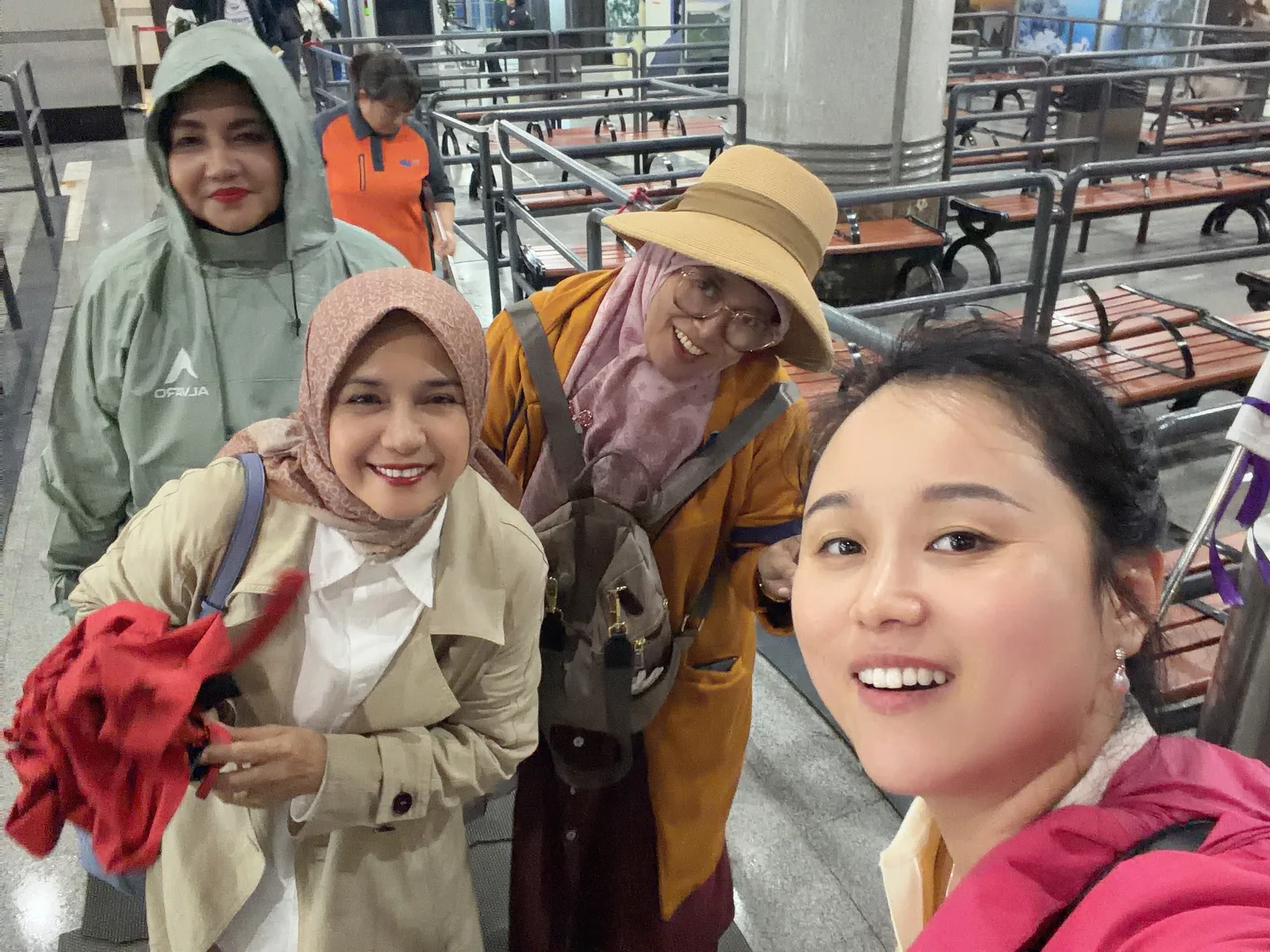
Yes. Hijab-wearing travelers visit Chengdu and the rest of China normally — you will see hijabs in the Huangcheng Mosque neighborhood daily. You may attract some curious looks in less touristy areas, which in our clients’ experience is curiosity rather than hostility.
How many days does Chengdu need?
Two to three days covers the city and the pandas at a family pace; add days for Leshan, Emeishan or a Jiuzhaigou extension. Coming from or continuing to Chongqing, the train is short enough that the two cities plan as one trip.