Last Updated on July 31, 2026 by Halalchinatrips
Chengdu and Chongqing sit about 300 kilometers apart, and the fastest trains between them take just over an hour. Departures run all day from early morning until late evening, so you never need to plan your whole trip around one train, and you can book with a foreign passport online. What most timetable sites don’t explain: the route is served by three different train types at noticeably different fares, and each city has several stations that are far apart from each other — so the two decisions that actually matter are which train type you pick and which station pair. That is the short answer — the rest of this guide covers the decisions the timetable sites skip: which station pair to choose, how to keep prayer times and halal meals intact on a travel day, and when a private transfer makes more sense than the train, especially for groups.
The Short Answer: Take the High-Speed Train
For almost every Muslim traveler doing both cities, the train wins. There is no useful flight route between Chengdu and Chongqing — by the time you add airport transfers and check-in, flying takes far longer than the fastest train. The essentials, checked 30 July 2026 against 12306 and Trip.com:
- Journey time: just over an hour on the fastest direct G trains; most services take 1.5–2.5 hours
- Frequency: departures throughout the day, from early morning to late evening
- Train types: three kinds share this route — G high-speed trains (fastest, most expensive), and C intercity and D trains (a little slower, noticeably cheaper)
- Fares: vary with the train type and the exact station pair, since both cities have several stations — check the price of your specific train when booking rather than budgeting from a single number
- Direction: identical service both ways — everything below applies to Chongqing to Chengdu as well
Schedules and fares shift with China Railway’s seasonal adjustments, so confirm your exact train when booking. As a rule of thumb: if you’re not in a hurry, a C or D train buys you the same route for meaningfully less; if you want the shortest possible transit on a packed day, pay for the G.
Stations, Tickets, and Boarding
Which stations you’ll use
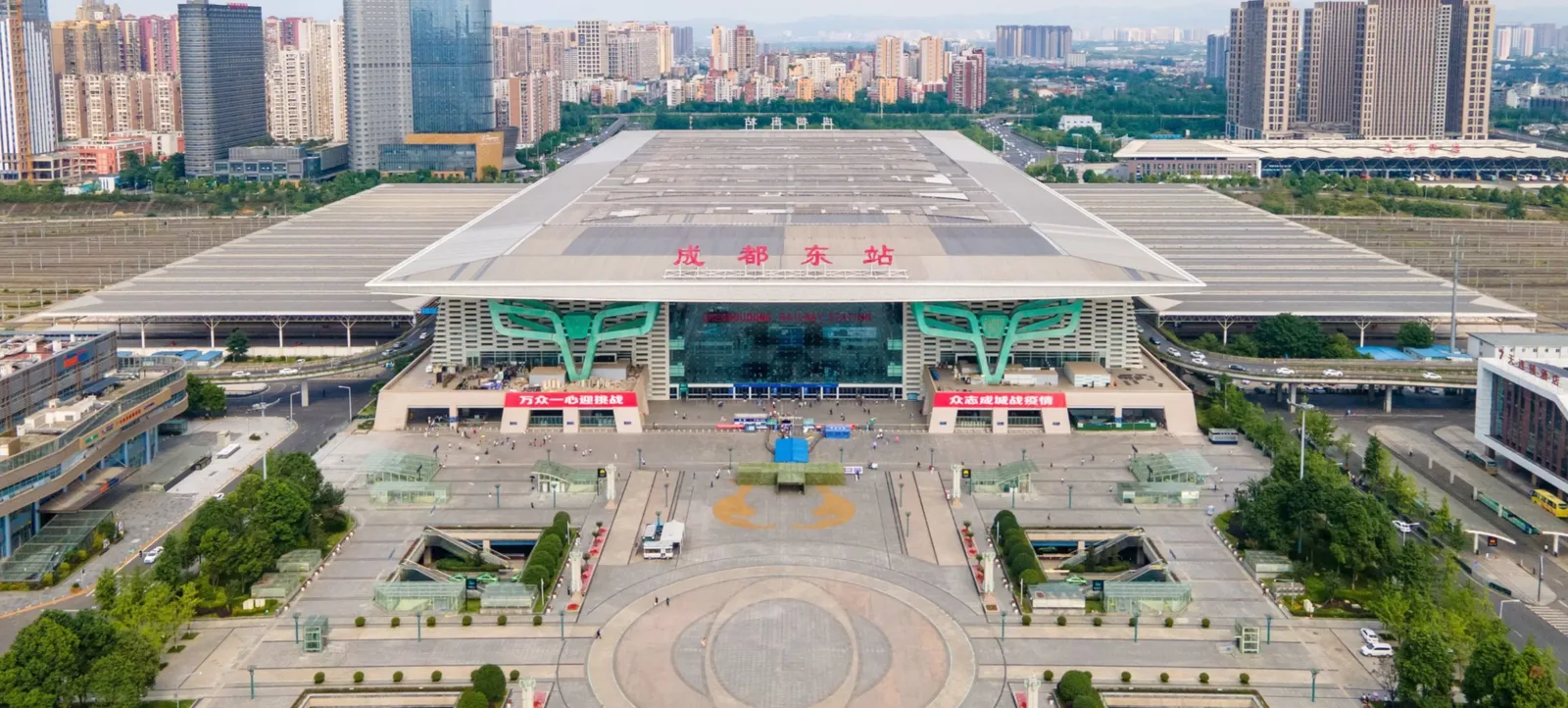
In Chengdu, most Chongqing-bound trains leave from Chengdu East (Chengdudong), on Metro Lines 2 and 7, about 25 minutes by metro from Tianfu Square — but some departures use Chengdu South or Chengdu West, so read your ticket carefully rather than assuming.
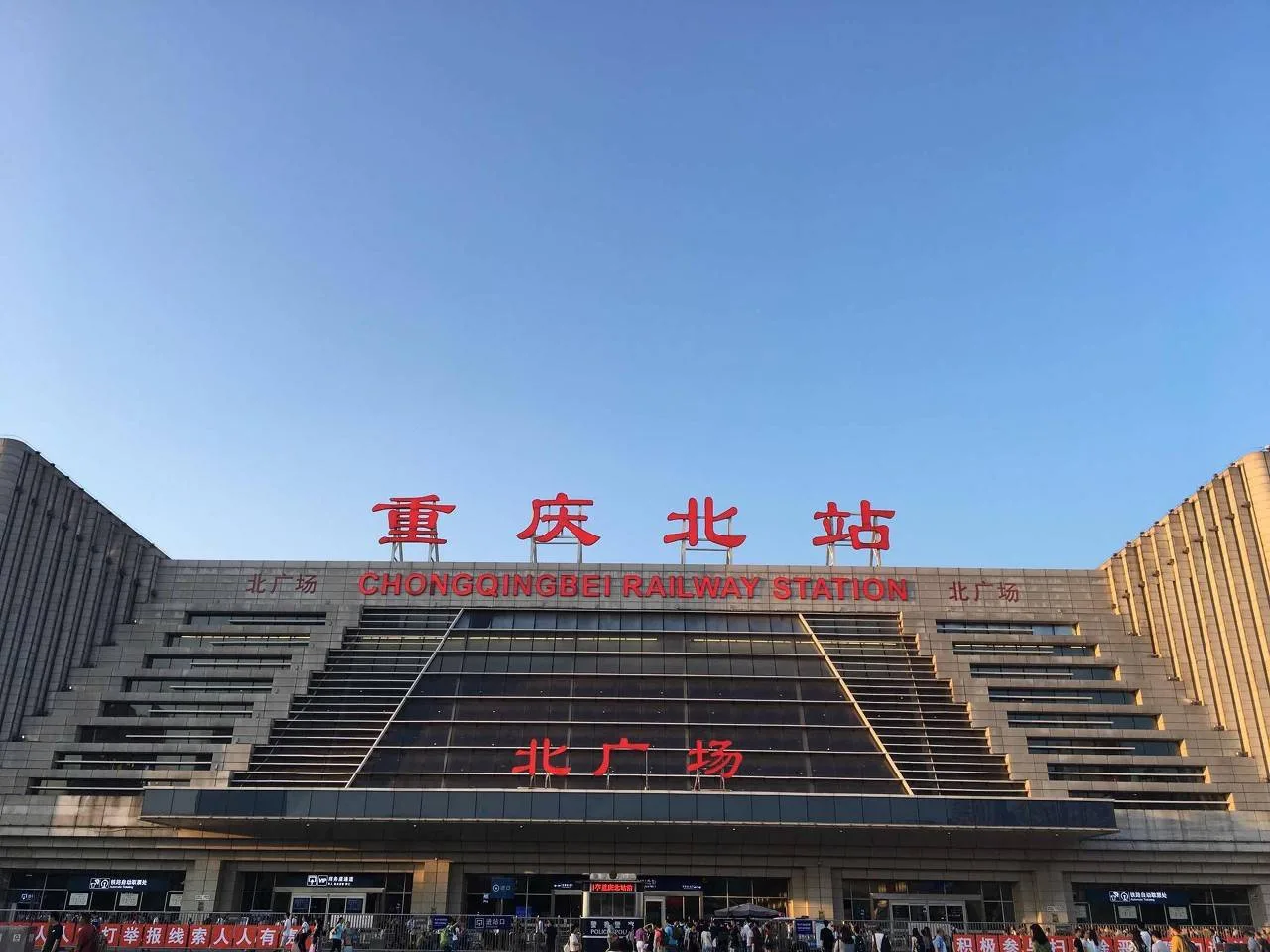
In Chongqing, the spread is wider still: depending on the train, you may arrive at Chongqing North (Chongqingbei), Chongqing West (Chongqingxi), Shapingba, Chongqing East, or even Jiangbei Airport. These stations are far apart, and this is where travelers get caught out — the station pair also partly explains why two trains on the same route can have quite different fares. Which arrival station you want depends on where you’re staying; the next section walks through that decision.
Booking with a foreign passport
Book on the 12306 English website (China Railway’s official channel) or through Trip.com, which costs a small service fee but has easier customer support in English. Either way, the ticket is electronic and linked to your passport — there is nothing to print. At the station, use the manned channel at the gates and present your passport; allow 30–40 minutes before departure for security and ID checks, more on holiday dates.
Sales open about two weeks ahead. For a party of two to four on a weekday, same-day tickets are usually available, but weekend and holiday trains sell out — book as soon as your dates are fixed.
Luggage
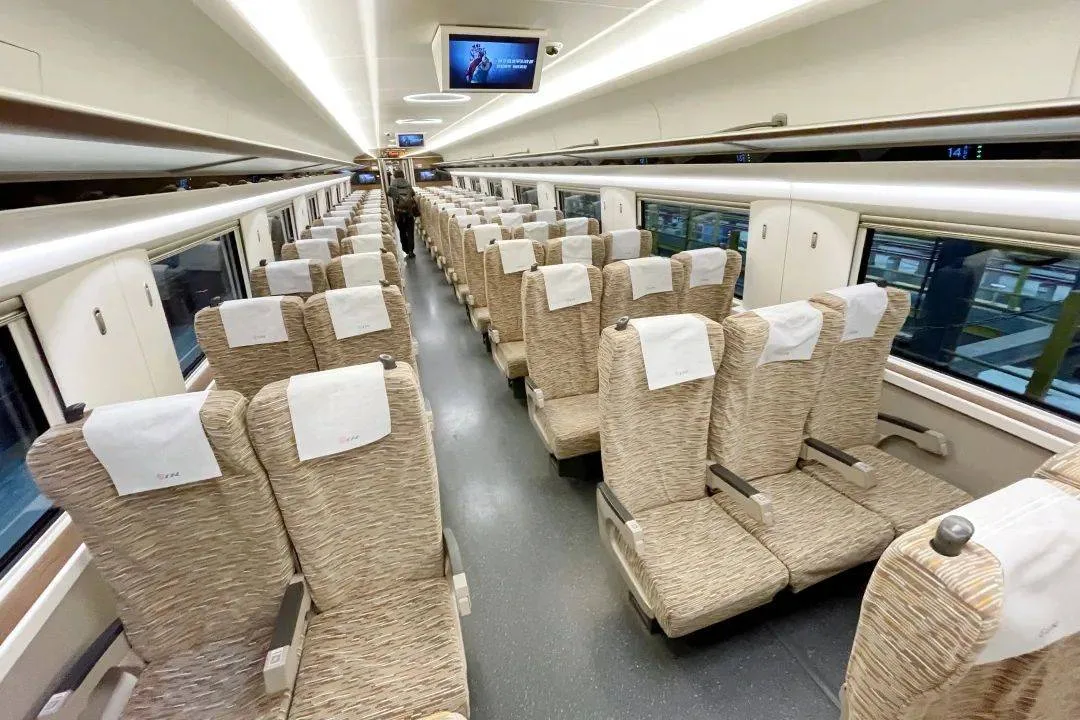
There is no check-in luggage process. You carry bags aboard and place them on racks at the carriage ends or above the seats. A standard large suitcase per person is fine; if your group travels heavy (common for families on a 7–10 day trip), aim for a less crowded mid-morning train where rack space is easier to find.
Which Chongqing Station Should You Choose?
Chongqing’s halal dining is concentrated around Jiaochangkou, next to Jiefangbei — the same area where most of our clients stay, covered in our guides to halal food in Chongqing and where to stay in Chongqing as a Muslim traveler. Measured against that base:
- Shapingba is the most convenient arrival if your train stops there: Metro Line 1 runs directly to Jiaochangkou in about 25 minutes, no transfer. Fewer trains serve Shapingba, so check — it’s worth choosing a slightly later departure to get one.
- Chongqing North is the main arrival point and a reasonable second choice: take Line 3 or Line 10 and transfer once to reach Jiaochangkou, about 35–45 minutes, or a 25–35 minute taxi depending on traffic.
- Chongqing West is the one to avoid for Jiefangbei-area hotels. It sits on the far southwest side of the city; the metro ride (Loop Line or Line 5, with a transfer) or a taxi both run 45–60 minutes.
- Chongqing East and Jiangbei Airport appear on some timetables too. Chongqing East is a new station far southeast of the center, and the airport station only makes sense if you’re connecting straight to a flight. For a city stay, filter your search to Shapingba or Chongqing North first.
If you’ve already booked a hotel elsewhere — say near Hongyadong or across the river — the calculation changes, which is exactly the kind of detail we pin down when we plan a route for clients: arrival station, hotel, and the first halal dinner are decided together, so nobody lands at Chongqing West at 19:30 wondering how far dinner is.
Going the other way, the decision is simpler: whichever Chengdu train you take, you’ll almost certainly arrive at Chengdu East, and Metro Line 2 takes you straight toward the city center, where Chengdu’s main halal cluster sits in the Qingyang district — see our Chengdu halal food guide.
Fitting the Journey Around Prayer Times and Halal Meals
Do not count on prayer rooms at these stations — none of the stations on this route publishes a dedicated prayer space for travelers, and the trains have none either. The practical approach is to treat the journey as a window between prayers rather than trying to pray mid-transit:
- Morning travel (recommended): pray Fajr at your hotel, take a train between 09:00 and 11:00, and you’re at your destination hotel with time to spare before Dhuhr. This is the cleanest option and leaves the whole afternoon for sightseeing.
- Afternoon travel: pray Dhuhr before leaving for the station. With a 1–1.5 hour ride, you’ll comfortably reach your hotel before Asr runs out, but build in the metro or taxi leg when you count the time.
- Avoid the Maghrib squeeze: a departure around 17:00–18:00 puts the short Maghrib window inside your transit. It’s workable, but it’s the one slot we steer clients away from when we build itineraries.
For food: both stations’ surroundings are fast-food territory, not halal territory. The reliable pattern is to eat properly before you leave — in Chengdu, that means the Qingyang cluster; in Chongqing, Jiaochangkou — and carry fruit or packaged snacks for the ride itself. A one-hour train doesn’t need a meal plan; a travel day does.
Train vs Flight vs Private Transfer
Train is the default: fastest door-to-door, cheap, frequent. Book it and move on.
Flying is not worth considering on this route — no direct commercial flights operate between the two cities’ main airports, and connecting options make no sense over 300 km.
Private transfer (car or coach on the expressway, roughly 3.5–4 hours) sounds slower because it is — but for some groups it wins on the whole day, not the segment:
- Groups of 10 or more: buying 10+ train seats on the same departure often means split carriages or split trains, and moving a large group plus luggage through two metro systems eats the time the train saved. One coach from hotel door to hotel door is simpler to run, and it’s how we usually move larger groups on our Chengdu–Chongqing routes.
- Travelers with mobility limits or heavy luggage: no station stairs, no rack space negotiation.
- Anyone wanting a stop en route: the expressway allows a lunch or prayer stop at your own timing; the train does not.
For a couple or a family of four with normal luggage, the train remains the better choice — a private transfer for so few people costs more without adding much.
Day Trip or Overnight? How Many Days Each City Deserves
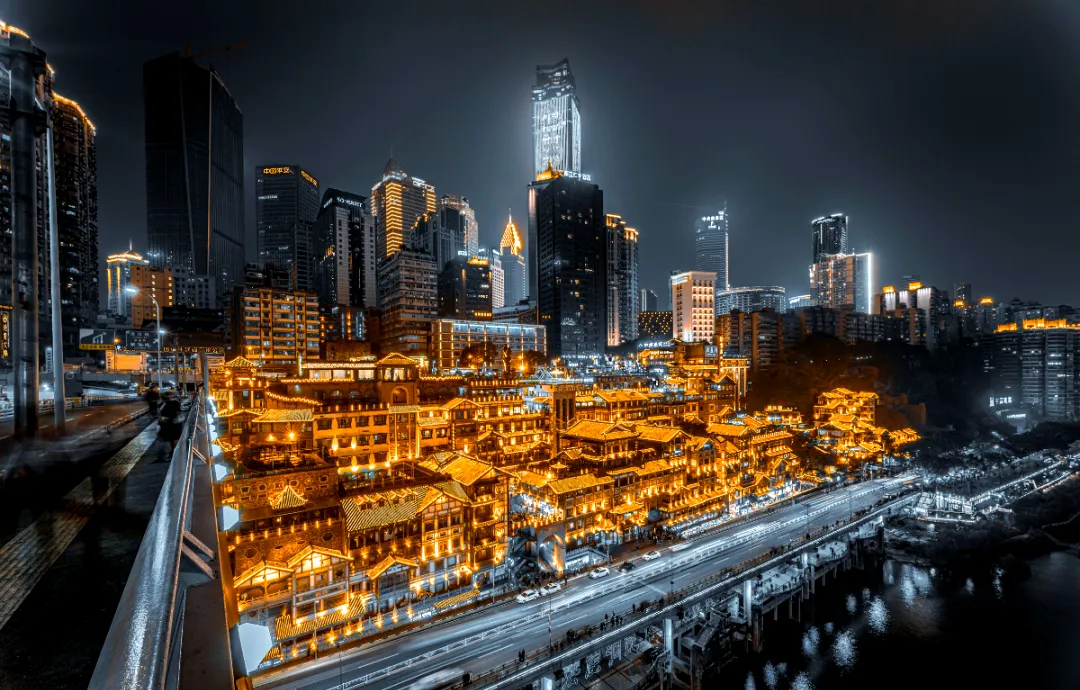
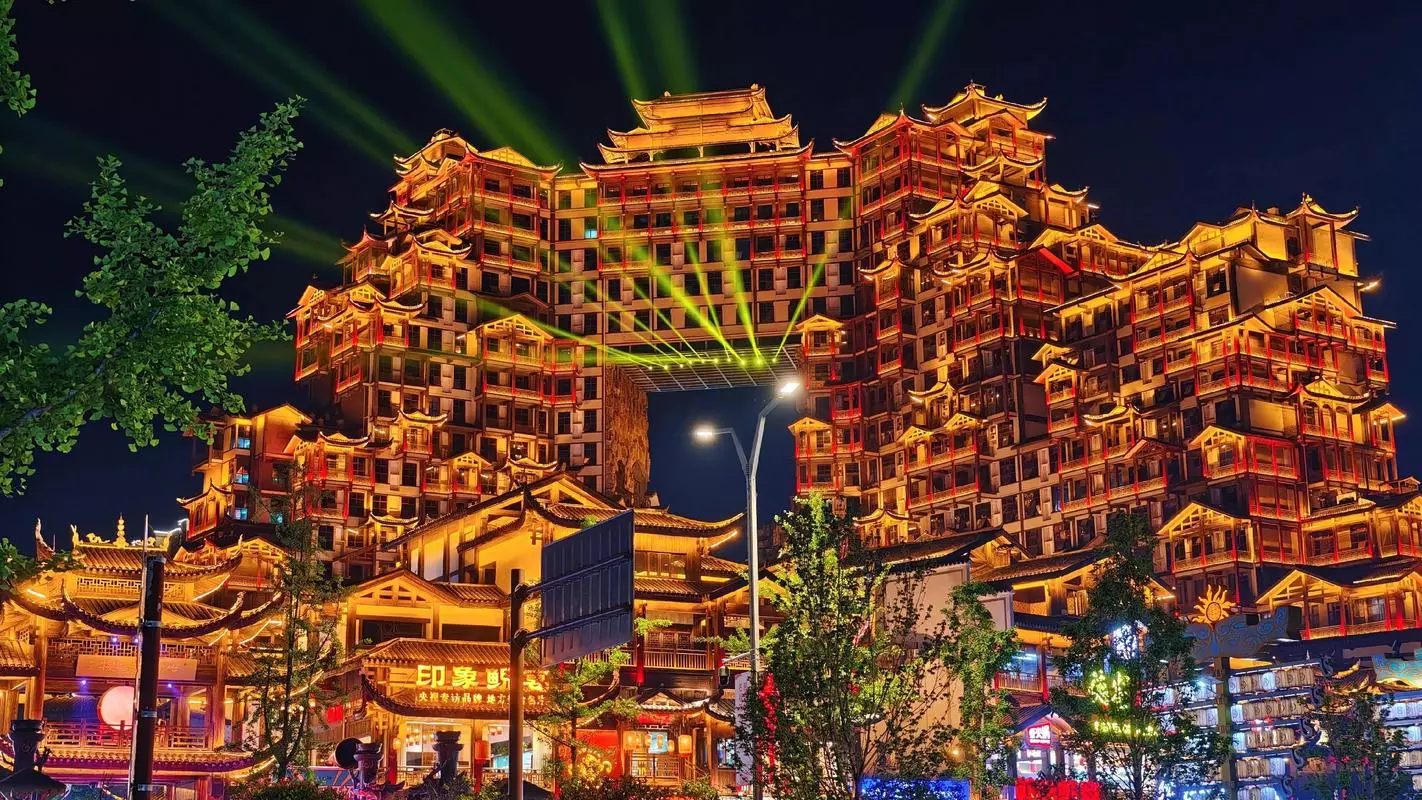
The train is fast enough that a Chengdu–Chongqing day trip is physically possible, and we still don’t recommend it. You’d spend your day on stations and metro legs, and Chongqing after dark — the river lights around Hongyadong — is precisely what a day-tripper misses.
The structure that works: 2–3 nights in Chengdu, 2 nights in Chongqing, in either order. Chengdu’s pace is relaxed — pandas in the morning, teahouses and the Qingyang food cluster after — and it suits families; our Chengdu itinerary for Muslim families lays out the day-by-day. Chongqing is denser and more vertical, best covered with the evening views built in; see our Chongqing itinerary for Muslim travelers. Together they make a natural 5–7 day trip with a single one-hour train in the middle — one of the route combinations we run most often, with halal meals, prayer windows, and the station-to-hotel legs already sequenced.
If you’re deciding between this pairing and other routes, start from the Chengdu and Chongqing destination overviews, or message us on WhatsApp (+86-19118612939) with your dates and group size — we’ll tell you honestly whether the two-city plan fits your time.
FAQ
How long is the train from Chengdu to Chongqing?
The fastest direct G trains take just over an hour; most trains take 1.5–2.5 hours. Check the duration of your specific train when booking — the range is wide.
How much does the train cost?
It depends on the train type and the station pair. C intercity and D trains are the budget options; the fastest G high-speed trains cost noticeably more. Because both cities have several stations, two trains on the same route can be priced quite differently — check the fare for your exact train on 12306 or Trip.com when booking.
Can I do a day trip from Chengdu to Chongqing?
You can, but you shouldn’t. The train segment is short, but station transfers at both ends consume the day, and Chongqing’s best hours are after dark. Stay at least one night.
Is there a prayer room at the train stations?
No — none of the stations on this route publishes a dedicated prayer room. Plan to pray at your hotel before departure or after arrival; the short journey fits between prayer windows if you time the departure well.
How do I buy tickets with a foreign passport?
Use the 12306 English website or Trip.com. Tickets are electronic and linked to your passport; at the station, go through the manned gate with your passport. Book about two weeks ahead for weekends and holidays.
Which is better for a group of 10+, train or private coach?
Usually the coach. Large groups rarely get seats together on one train, and moving everyone with luggage through metros at both ends is slow. A door-to-door coach takes about 3.5–4 hours and allows a prayer or meal stop en route.