Last Updated on October 5, 2026 by Aaron Chen
The standard answer is correct: spring (March to May) and autumn (late September to November) are the best times to visit Chongqing, and July–August is the stretch to avoid if you can. But that answer treats every traveler the same. If you eat halal and pray five times a day, the Chongqing calendar has layers the weather guides never mention: Ramadan 2027 is expected to begin in early February, which happens to be one of the most comfortable fasting windows this city will offer for years — and also the week China’s Spring Festival travel rush peaks. Golden Week in October fills the one street where most of the city’s halal restaurants cluster. And the famous “furnace” summer is not a reason to cancel, but it is a reason to design your days differently.
Our team plans Chongqing legs for Muslim travelers year-round, usually as part of a longer route toward Zhangjiajie. Here is how we actually read the calendar.
Quick Answer: When to Go
- Best overall: late September to mid-November — warm days, falling humidity, and the city’s night views at their clearest after summer haze breaks. Skip October 1–7 (National Day Golden Week).
- Second best: March to May — mild and green, with more drizzle. Avoid the May 1 holiday cluster.
- Workable with planning: June and early September (hot but not peak), December to February (cool, foggy, quiet — and the pick for Ramadan 2027).
- Hardest: July and August, when hot spells push afternoons past 35°C and heat waves can approach 40°C.
Chongqing Weather by Month
Chongqing sits in a river basin, which explains most of its weather: heat gets trapped in summer, fog settles in winter, and rain often falls at night — the city is nicknamed 雾都, the “fog capital,” for a reason. Approximate ranges below are for the urban core; always check a forecast close to your dates.
| Month | Typical range | What it means for your trip |
|---|---|---|
| January | 5–10°C | Coldest month; fog and drizzle, almost no snow. Quiet and cheap. |
| February | 7–12°C | Still cool and grey. Spring Festival crowds early in the month. Ramadan 2027 expected to start Feb 8. |
| March | 11–18°C | Spring opens; comfortable walking weather returns. |
| April | 16–23°C | One of the best months. Green, mild, pre-holiday. |
| May | 19–27°C | Warm, more rain; May 1 holiday brings domestic crowds. |
| June | 22–31°C | Heat and humidity build; rain peaks. Still workable with an early-morning schedule. |
| July | 25–34°C, hotter in heat waves | Furnace season. Outdoor sightseeing shrinks to mornings and nights. |
| August | 25–34°C, hotter in heat waves | Hottest month; extreme summers have passed 40°C. |
| September | 21–30°C | Heat breaks in the second half; late September is excellent. |
| October | 16–23°C | Prime month — but Oct 1–7 is Golden Week. Go after the 8th. |
| November | 12–17°C | Cool, clear spells; autumn colors on the surrounding hills. |
| December | 8–12°C | Fog returns; hotpot weather. Low season prices. |
Spring (March–May): Mild, Green, and Slightly Wet
Spring is the easy recommendation. From late March the basin warms into the high teens and low twenties, which is ideal for the walking this city demands — Chongqing is built on slopes, and any sightseeing day involves stairs. Expect drizzle: spring rain here is frequent but usually light, and much of it falls after dark, so a folding umbrella covers most situations.
Two planning notes. First, avoid the days around May 1, when the Labour Day holiday moves tens of millions of domestic travelers and hotel prices jump. Second, if your route continues to the mountains — most of our Chongqing travelers pair the city with Zhangjiajie — spring works equally well on both ends, which is not true of every season. More on that below.
Summer (June–August): The Furnace, Honestly
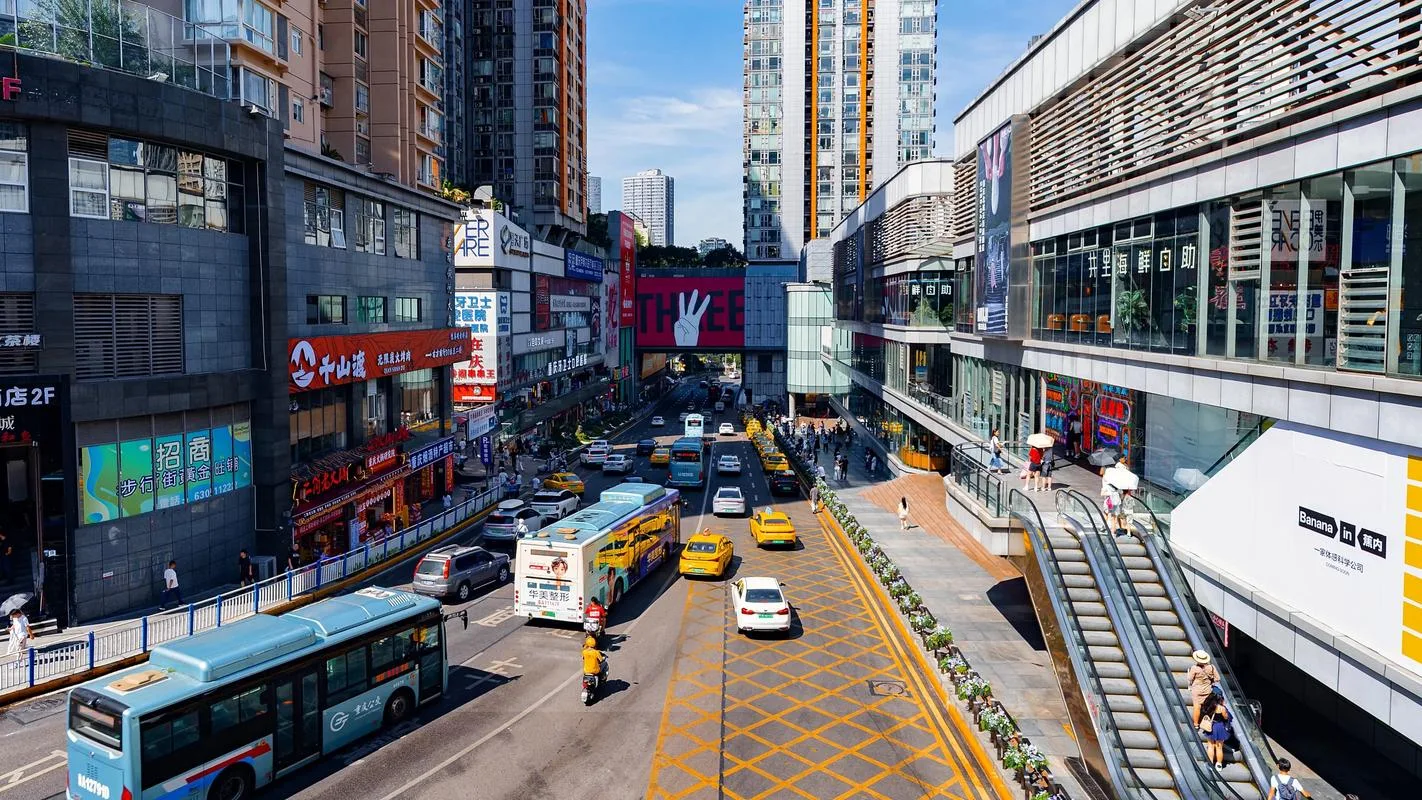
The honest conclusion first: July and August are genuinely hard, and if you have free choice of dates, choose another season. Chongqing is one of China’s traditional “furnace” cities. Hot spells push afternoons above 35°C, the humidity makes it feel heavier, and the stone-and-concrete cityscape holds heat well into the evening.
But plenty of travelers — school-holiday families especially — can only come in summer, and canceling is not the only option. The trip just has to be designed around the heat instead of pretending it isn’t there:
- Flip the day. Outdoor sights go into the two cool windows: early morning and after sunset. Chongqing cooperates here better than most cities, because its signature experience — the skyline and Hongyadong lit up across the river — happens at night anyway.
- Middle of the day goes indoors: museums, the metro (air-conditioned), malls, a long halal lunch, and rest at the hotel. This midday block also absorbs Dhuhr and Asr prayers comfortably — praying in a cool hotel room beats improvising in 37°C heat.
- Travel with elderly parents? We shorten summer walking routes and add the cable car and escalators instead of stair streets. Chongqing’s terrain punishes overambitious plans in the heat; this is the season when we most often talk clients out of a packed itinerary, and the ones who listen thank us later.
One more summer note: the surrounding region does not share the furnace equally. Zhangjiajie’s forest park runs several degrees cooler than downtown Chongqing in August, so if you must travel in summer, weighting your route toward the mountains and keeping Chongqing to two nights is a sensible trade.
Autumn (Late September–November): The Best Overall Window
If we are choosing dates for a client with a flexible calendar, we aim for mid-October to mid-November. The heat is gone, humidity drops, the night views are at their sharpest, and the hills around the city start to turn. Late September works too, once the last of the summer heat breaks.
The one hard exclusion is National Day Golden Week, October 1–7 (2026 dates), plus a day or two either side. This is one of China’s two biggest travel weeks, and it hits Muslim travelers harder than most: Chongqing’s verified halal restaurants concentrate in one small area — the Muslim Building cluster at Jiaochangkou, covered in our Chongqing halal food guide — so when the city fills up, your dinner options don’t spread the load across a hundred venues; they queue at the same few doors. On Golden Week trips we book tables ahead and shift dinner earlier than the Chinese peak, but the simpler fix is to come the following week, when prices drop and the same restaurants are half-empty.
Winter (December–February): Fog, Hotpot, and a Short Fasting Day
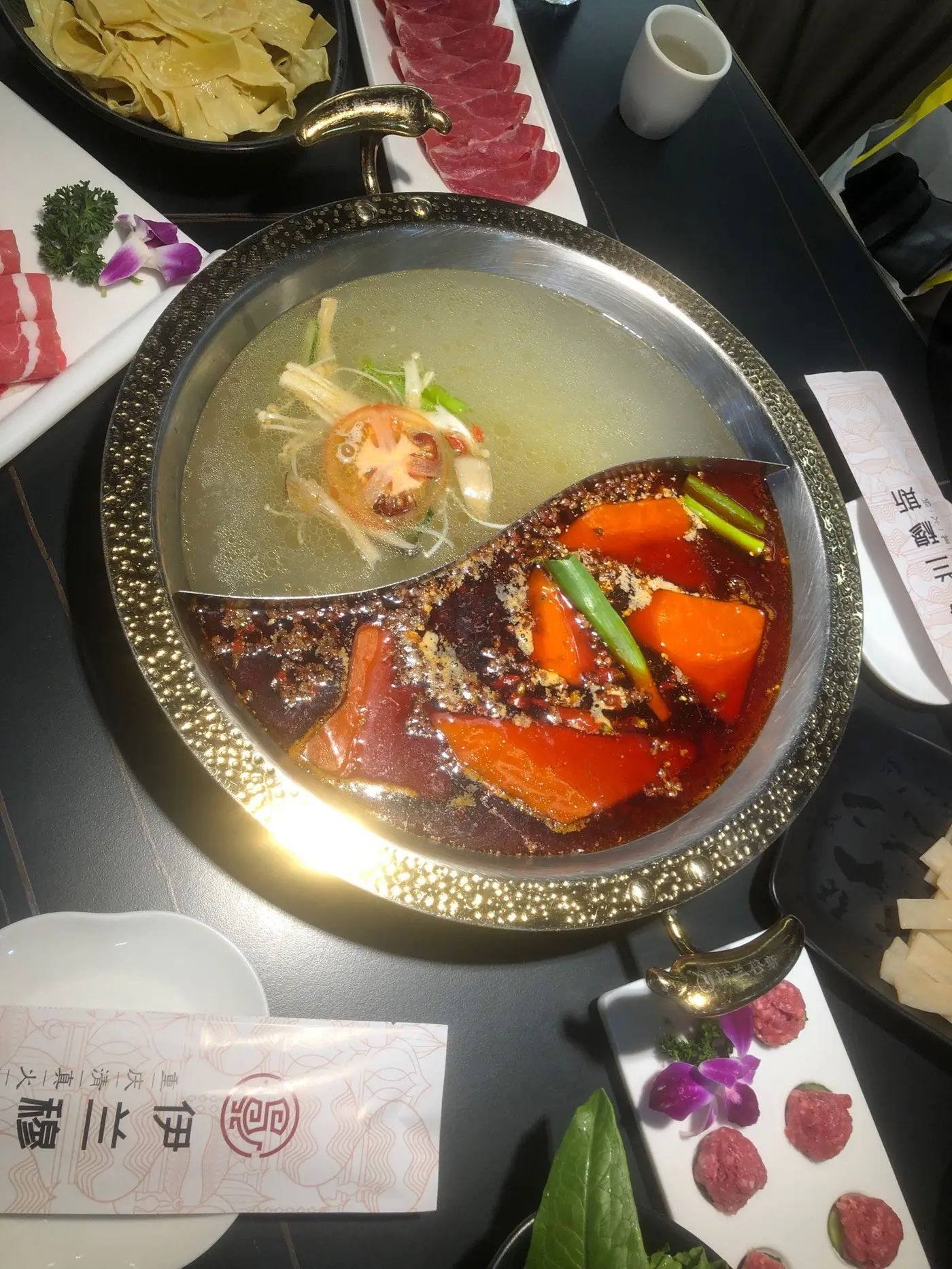
Winter Chongqing is grey, misty, and mild by northern-China standards — daytime highs usually sit between 8 and 12°C, and snow in the urban core is rare. Photographers will lose the skyline to fog on some evenings; budget travelers will find the year’s best hotel prices; and everyone else discovers that this is the season Chongqing’s own residents consider hotpot weather. The halal version is real and local — dedicated halal hotpot houses operate in the Jiaochangkou cluster — and a bubbling pot on a cold damp evening is the strongest argument winter has.
For Muslim travelers, winter now carries a bigger question: Ramadan. Ramadan 2027 is expected to begin around February 8 and run to Eid al-Fitr on approximately March 9 or 10, subject to moon sighting. As a fasting destination, February Chongqing is about as gentle as China gets: dawn-to-sunset is about 12.5–13 hours, the weather is cool enough that thirst stays manageable, and iftar can be a halal hotpot — there are worse ways to break a fast.
The honest caveat: the expected first week of Ramadan 2027 collides with Spring Festival, China’s largest travel period (the 2027 public holiday is expected to run February 5–12; China confirms the official schedule each November). Trains sell out, hotel prices spike, and some small family-run restaurants — including halal ones — close for several days so staff can go home for the new year. Our advice for a Ramadan 2027 trip is therefore specific: target mid-February onward, after the Spring Festival wave recedes, rather than the first days of the month. We plan Ramadan itineraries around suhoor and iftar times as a matter of course — later starts, restaurant confirmation for iftar, lighter afternoons — but no planning removes a national holiday; dodging it does.
If Your Trip Includes Zhangjiajie (Most Do)
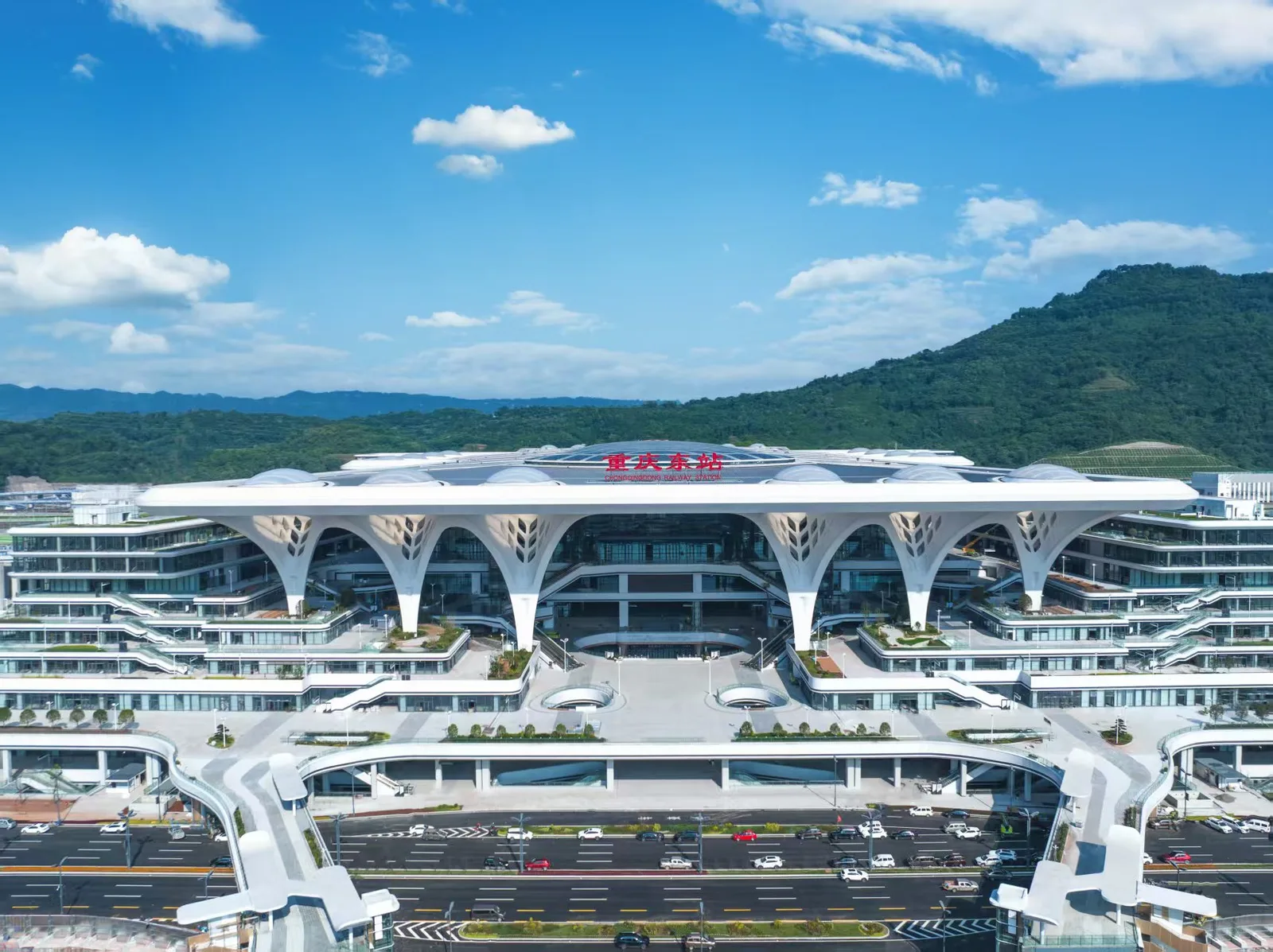
Few travelers fly internationally for Chongqing alone. In our bookings the city is usually the entry point of a longer route — typically the bullet train to Zhangjiajie (just over two hours on the fastest services), often continuing to Fenghuang. That changes the season question: you are no longer optimizing one city’s weather but a whole route’s.
The good news is the windows mostly align. Autumn is the best season on both ends — October–November gives you clear night views in Chongqing and stable mountain weather in Zhangjiajie. Spring works well on both too. The seasons diverge in summer (Chongqing scorches while the forest park stays merely warm — weight your days toward the mountains) and in winter (Chongqing stays mild while Zhangjiajie’s summits can ice over, which brings its own quieter beauty; our Zhangjiajie season guide covers that end of the route). We ran a group along the full Chongqing–Zhangjiajie–Fenghuang line this year; the day-by-day is in our 7-day itinerary.
If you have settled on your dates and want the city end planned in detail, our Chongqing itinerary for Muslim travelers maps the days; if you would rather hand the season-juggling to someone who does it weekly, ask our team which window fits your route — it is a quick question to answer.
FAQ
How many days do you need in Chongqing?
Two full days covers the core: one for the city center — Jiefangbei, Hongyadong at night, the Yangtze cable car — and one for either Ciqikou and the museums or a day trip. A third day is worth it in the pleasant seasons, less so in July–August when midday hours are lost to heat. Our Chongqing things-to-do guide ranks the sights.
Is February a good time to visit Chongqing?
It splits in two. Early February 2027 is Spring Festival — crowded transport, closed small restaurants, peak prices. From mid-February the city quiets down, prices fall, and cool grey weather makes comfortable sightseeing and, for Ramadan 2027, a short and gentle fasting day.
When is Chongqing’s rainy season?
Rainfall peaks from May through early July. Chongqing’s quirk is night rain — a large share falls after dark — so wet-season days are often usable even when the totals look alarming. Winter brings drizzle and fog rather than heavy rain.
What is the cheapest time to visit?
Winter, outside Spring Festival — roughly December to mid-January, and late February. Hotels discount heavily and the halal restaurants are at their least crowded.
Chengdu or Chongqing — does the season change the split?
Not much: the two cities share the same basin climate, so the same windows apply. The split depends more on your interests than the calendar; both are covered in our Chengdu–Chongqing transport guide.