Last Updated on October 5, 2026 by Aaron Chen
Yes, you can eat well as a Muslim traveler in Chongqing. The city has a concentrated halal dining zone around the Muslim Building (民族大厦) at No. 5 Zhongxing Road, a two-minute walk from Jiaochangkou metro station in the city center — including several halal Chongqing hotpot restaurants, so you don’t have to skip the city’s signature dish. What you won’t find is halal food evenly spread across the tourist areas: around Hongyadong, Ciqikou, and the riverside viewpoints, verified options thin out fast, and a little planning makes the difference between eating well and eating biscuits. Our halal hotpot in China guide goes deeper on how to tell a genuinely halal pot from a side-pot accommodation.
Here is how halal dining in Chongqing actually works: where the restaurants cluster, which hotpot houses serve halal beef and lamb, how prayer fits into the day’s route, and how to handle the areas where nothing is verified.
Can You Find Halal Food in Chongqing? (Quick Answer)
Chongqing has a long-established Hui Muslim community, and its halal restaurants cluster in one very convenient place: Zhongxing Road at Jiaochangkou, in Yuzhong District — the same district as Jiefangbei and Hongyadong. From Jiaochangkou station (Metro Lines 1 and 2), the Muslim Building and the restaurants around it are a short walk away.
Quick facts before we go street by street:
- Main halal zone: Zhongxing Road, around the Muslim Building (No. 5), Jiaochangkou, Yuzhong District
- Halal hotpot: available — several dedicated halal hotpot restaurants operate in and around the Muslim Building
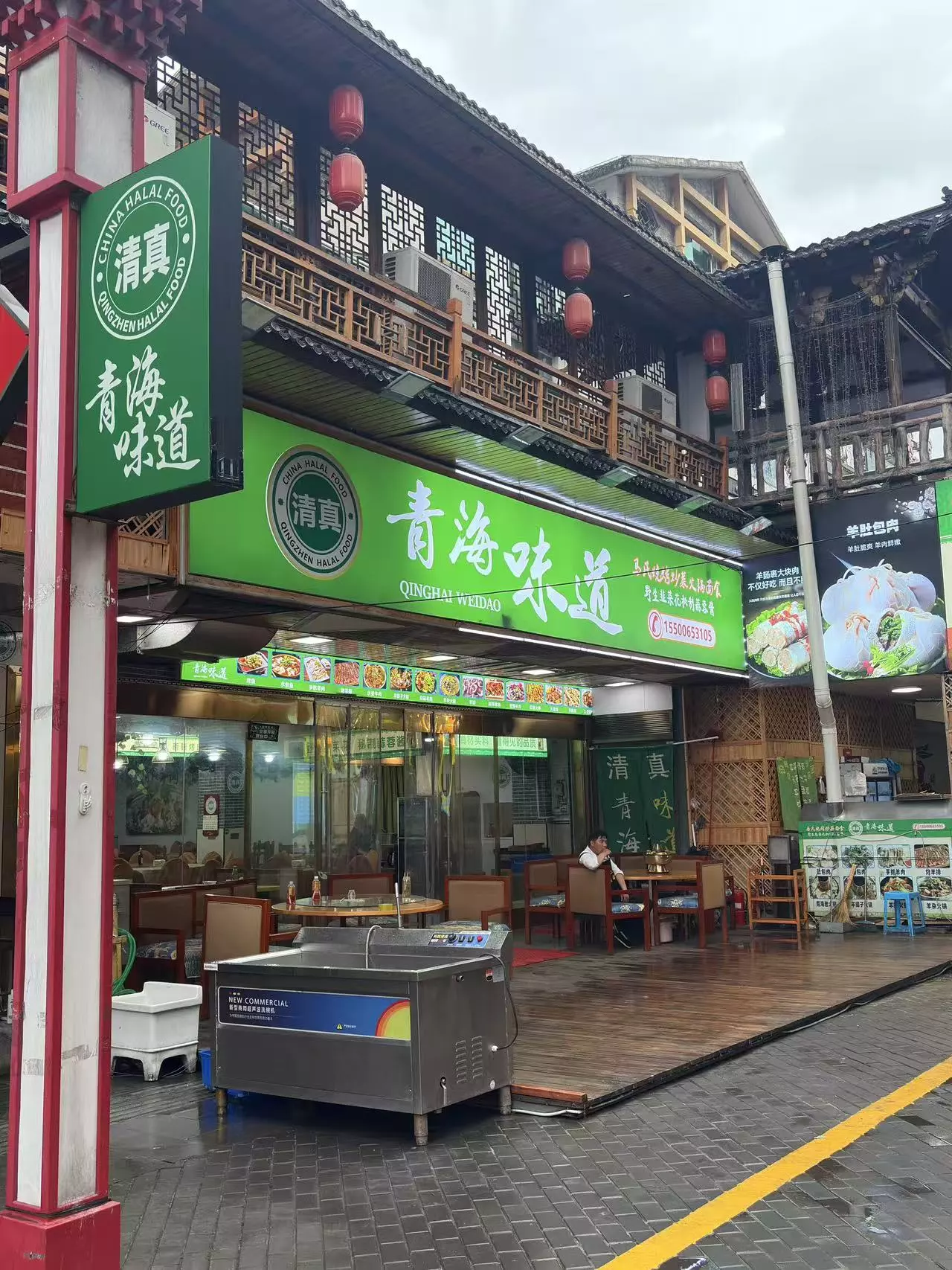
- How to recognize halal: look for the green or blue 清真 (qīngzhēn) sign; it means “halal”
- Prayer: Chongqing has several mosques open to visiting worshippers — pick the one that fits your day’s route (details below)
The Jiaochangkou Halal Cluster: Chongqing’s Muslim Dining Hub
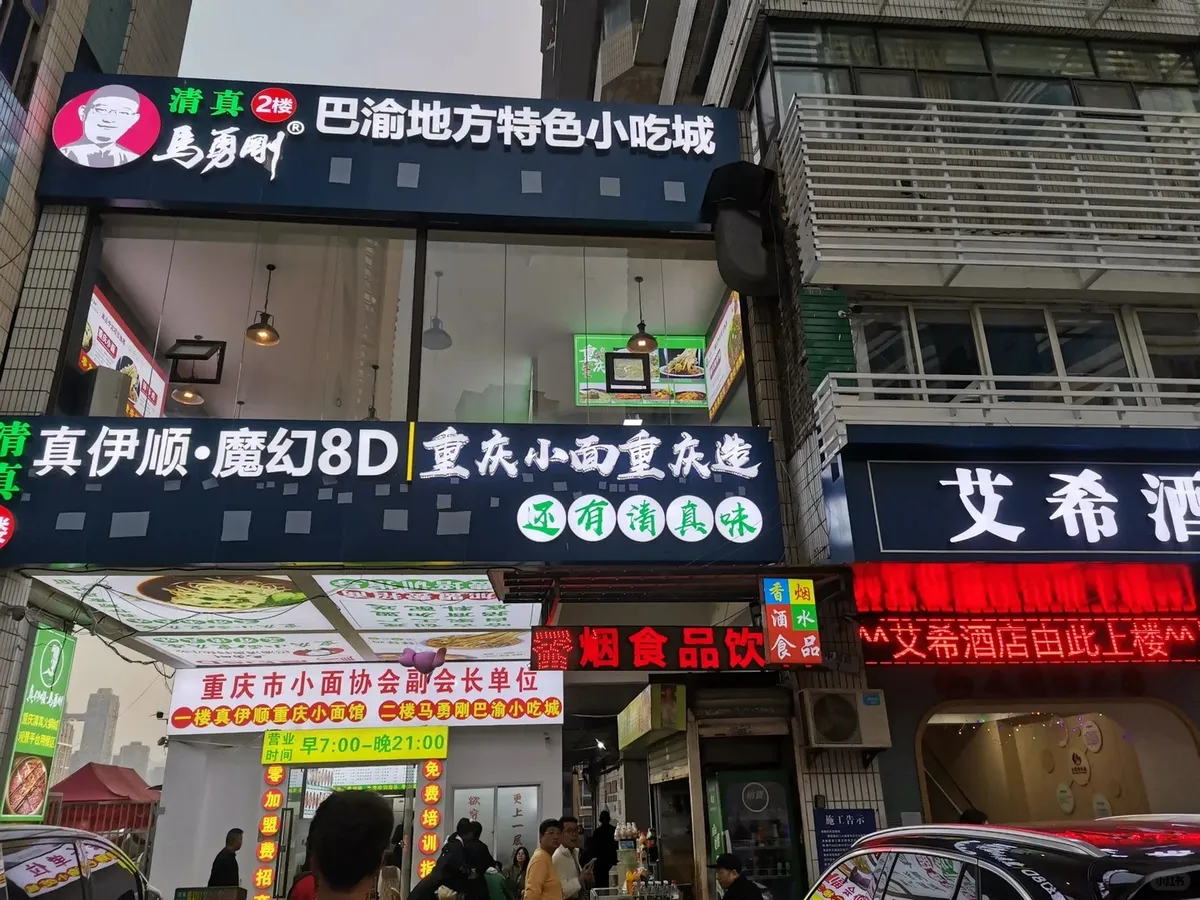
Almost everything on a halal food list for Chongqing sits within a few hundred meters of one address: the Muslim Building at No. 5 Zhongxing Road. This was historically the seat of the city’s mosque and Islamic association, and the restaurants around it grew up to serve the Hui community — which is why the cooking here is the real thing rather than a tourist adaptation.
Restaurants we found operating in this cluster (statuses re-checked July 2026; Chongqing restaurants change fast, so we re-verify before adding any of them to a client’s itinerary):
| Restaurant | Chinese name | Type | Location |
|---|---|---|---|
| Zhen Yishun Chongqing Hotpot | 真伊顺重庆火锅 | Halal Chongqing hotpot | 1F, Muslim Building, No. 5 Zhongxing Rd |
| Magic 8D Chongqing Hotpot | 魔幻8D重庆火锅 | Halal Chongqing hotpot | -1F, Muslim Building, No. 5 Zhongxing Rd |
| Qingjuzhai | 庆聚斋清真餐厅 | Hotpot + northwestern + home-style | 1F, Muslim Building, No. 5 Zhongxing Rd |
| Ma Duizhang Halal Hotpot | 马队长重庆清真火锅 | Halal Chongqing hotpot | No. 7-1 Zhongxing Rd |
| Ningxia Huixiangzhai | 宁夏回乡斋清真餐厅 | Halal stir-fries, Chongqing flavors | No. 12 Zhongxing Rd |
| Yu Xiao Mu Halal Noodles | 渝小穆重庆清真小面 | Chongqing xiaomian (breakfast/lunch) | No. 78-1 Xinhua Rd, Jiaochangkou |
| Huiwei Yipin Halal Snacks | 回味伊品清真风味小吃 | Snacks, noodles, roujiamo, naan | Jiaochangkou |
A practical way to use this list: come hungry once and try Chongqing xiaomian (小面) at Yu Xiao Mu for breakfast, then return another evening for hotpot. The cluster is compact enough that if one restaurant is full or closed, the next is a few doors away — which is exactly why we route our travelers through Jiaochangkou for at least one meal a day rather than hunting for scattered options elsewhere.
Halal Hotpot: Yes, You Can Eat Chongqing’s Signature Dish
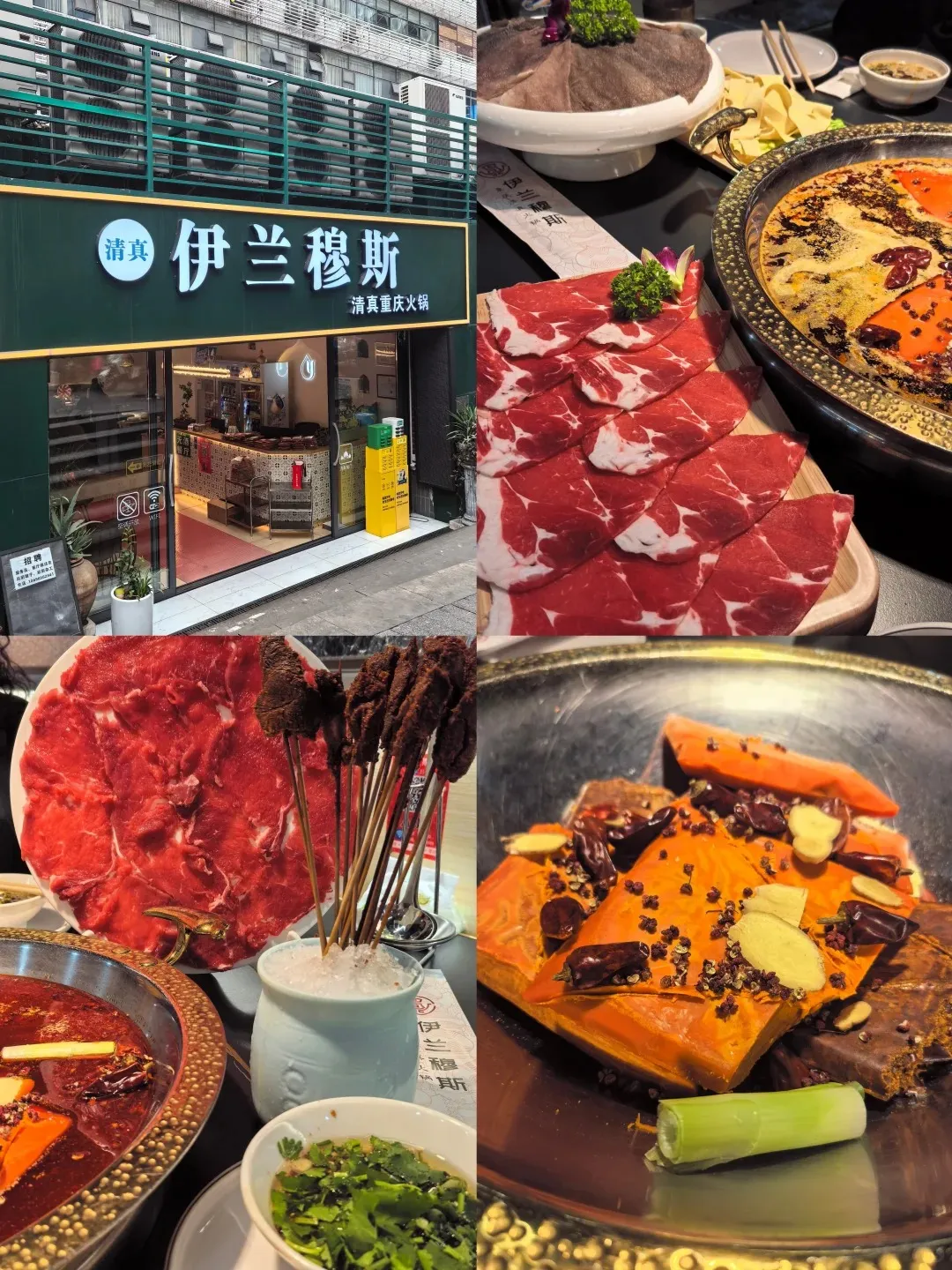
The question we hear most from travelers planning Chongqing: “Is the hotpot halal?” The honest answer has two halves.
Standard Chongqing hotpot is not halal. The classic broth is built on beef tallow, but mainstream restaurants handle non-halal meats in the same kitchen and the same pots, and many broths involve non-halal ingredients. Walking into a random famous hotpot street restaurant is not an option.
But halal hotpot is a real, established category here — not a watered-down version. The halal hotpot houses at Jiaochangkou (Zhen Yishun, Magic 8D, Ma Duizhang) run fully halal kitchens: halal beef and lamb, hand-made beef balls, tripe, and the same numbing-spicy málà broth the city is famous for. You order the spice level like anyone else; 微辣 (wēi là, mild) is the sensible starting point, because Chongqing’s “mild” already has a reputation.
Two things worth knowing before you go:
- The sauce station: hotpot restaurants have a self-serve dipping-sauce counter. In a halal restaurant everything on it is fine; the standard local mix is sesame oil with garlic, which also tames the spice.
- Confirm the sign at the door: halal hotpot restaurants display 清真 prominently and are run as Muslim businesses. If a restaurant merely offers a “vegetarian pot” or “separate pot” without halal signage, that is not the same thing.
If hotpot is a priority for your trip, tell us when you plan it — evening seatings at the popular halal houses fill up, and we can book ahead and build that evening’s route (Hongyadong night views are a short taxi ride away) around the reservation — just message us on WhatsApp.
Prayer in Chongqing: How to Plan It
Chongqing has a Muslim community that goes back centuries — the halal restaurants at Jiaochangkou grew up around it — and the city has several mosques open to visiting worshippers, in different districts.
The practical approach is to match the mosque to your day’s route rather than building the day around one address. This is how we plan it for our travelers: the day’s sightseeing, meals and prayer stop are chosen together, and if your trip includes a Friday, we confirm where and when Jumu’ah fits that day’s plan before you travel.
For daily prayers outside Friday, most travelers pray at the hotel; Chongqing’s halal restaurants are used to Muslim guests and the Jiaochangkou cluster is a comfortable base for asking about a quiet corner at prayer time.
Hongyadong, Ciqikou, and Day Trips: The Honest Version
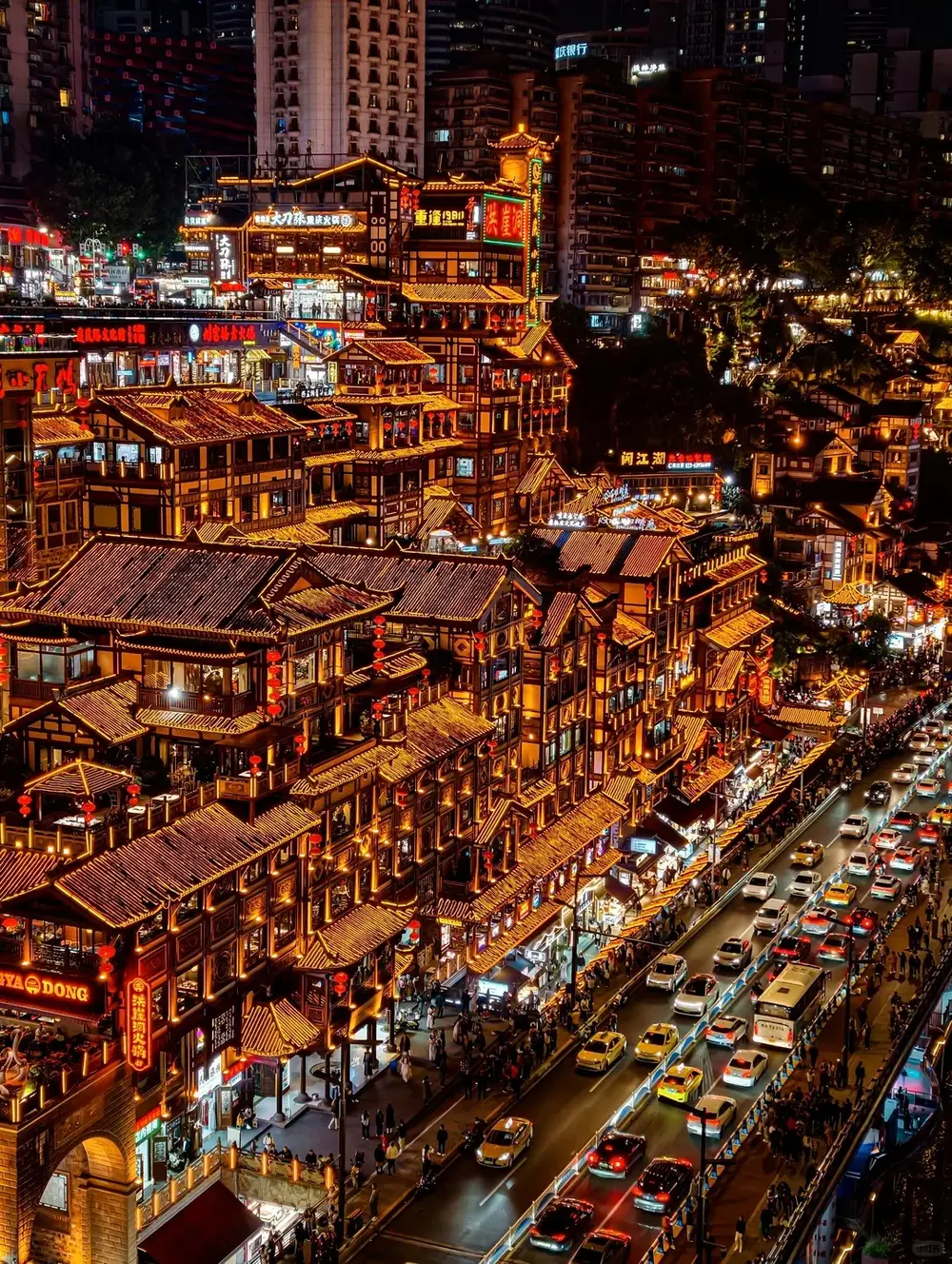
This is where most guides go quiet, so let’s be specific.
Jiefangbei / Hongyadong: you are in luck — this is the same district as Jiaochangkou. From Hongyadong, the halal cluster is roughly a 10–15 minute taxi or metro ride. The practical pattern: eat a proper meal at Jiaochangkou, then enjoy Hongyadong for the night views and skip the (non-halal) snack stalls. If you are still choosing a hotel, our guide to the best areas to stay in Chongqing for Muslim travelers ranks the districts by exactly this logic.
Ciqikou Ancient Town: the old-town snack street is overwhelmingly non-halal (much of it pork-based). We have not verified a dedicated halal restaurant inside Ciqikou itself. Treat Ciqikou as a sightseeing stop, not a meal stop: go in the morning or afternoon, enjoy the teahouses and the riverside, and plan your meal before or after. Packaged snacks with clear ingredient labels, fruit, and tea are the safe purchases inside.
Wulong (karst park) and other day trips: there are verified halal restaurants along the main day-trip routes — but they are on the way, not inside the scenic areas, so the day’s lunch needs to be arranged before departure rather than improvised at the site entrance. When we run Wulong day trips for Muslim travelers, the lunch stop is confirmed before the car leaves Chongqing, and the schedule brings the group back to the city for dinner at Jiaochangkou.
Northern Chongqing (Guanyinqiao / Liangjiang): if you are staying north of the river, two verified-this-year options are Silk Road Xiangfei (清真丝路香妃新疆餐厅, Xinjiang cuisine, Songpai Road area) and Beijing Lao Men Kuang (北京老门框爆肚涮肉馆, Beijing-style copper-pot lamb) — the latter is also the pick if someone in your group needs a break from chili.
How to Find Halal Food on Your Own
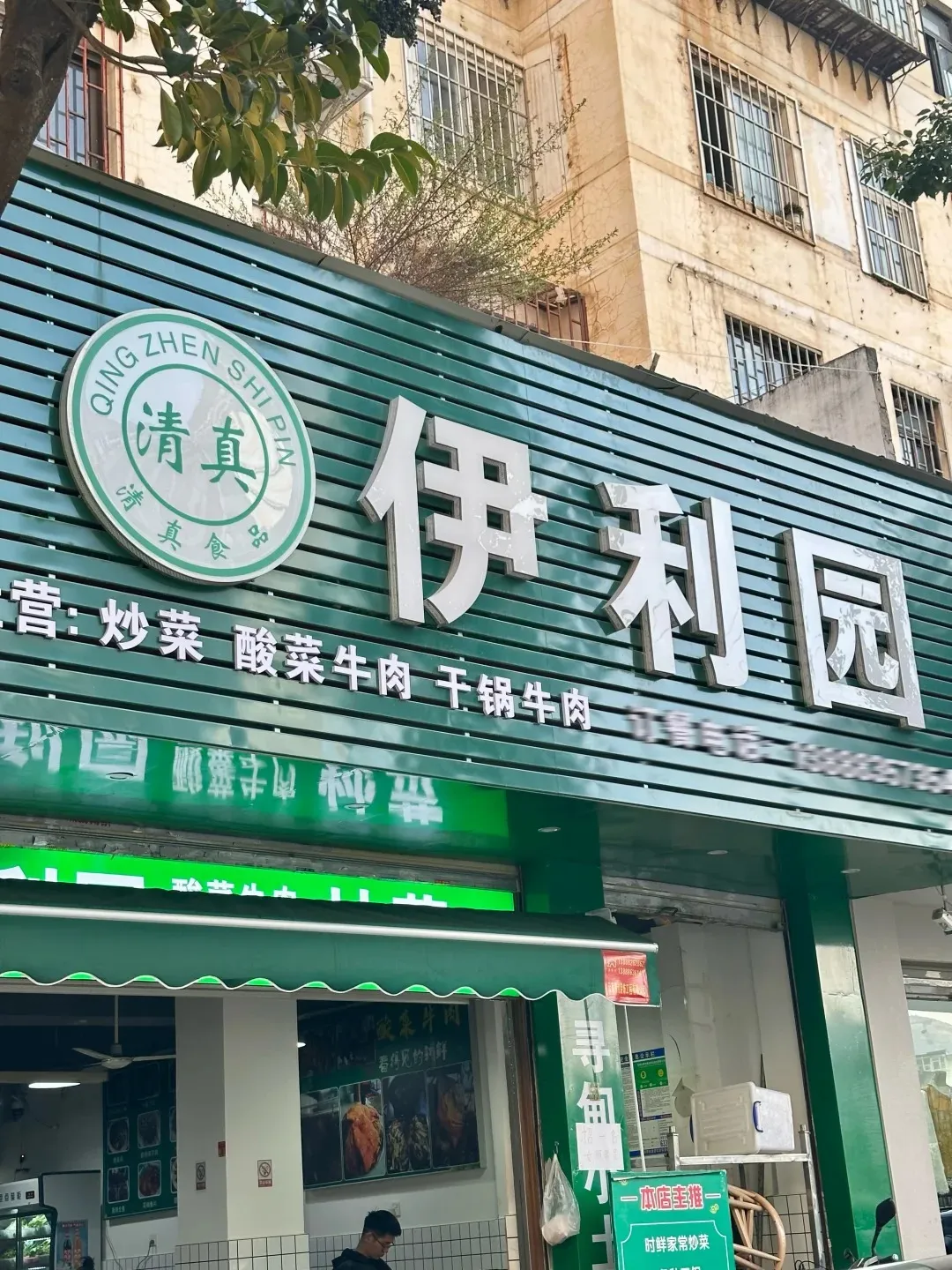
For the moments between planned meals, three tools cover most situations:
- The 清真 sign. Two characters, usually on a green or blue board at the door, often with Arabic script alongside. If you remember one piece of Chinese from this article, make it this one.
- Amap (高德地图). China’s dominant map app works without a Chinese phone number. Search 清真 and it will surface halal restaurants near you with distances. Reviews are in Chinese, but the star ratings and photos carry most of the signal.
- Four phrases that do the work:
- “这是清真的吗?” (Zhè shì qīngzhēn de ma?) — Is this halal?
- “我是穆斯林,不吃猪肉。” (Wǒ shì mùsīlín, bù chī zhūròu.) — I am Muslim, I don’t eat pork.
- “有牛肉/羊肉吗?” (Yǒu niúròu / yángròu ma?) — Do you have beef / lamb?
- “不要放酒。” (Bú yào fàng jiǔ.) — Please don’t add alcohol (useful for stir-fried dishes).
For what the dishes themselves are — and which classic Chinese dishes translate well to halal kitchens — our halal Chinese food guide covers the cuisine side, and the country-level picture is in our guide to halal food in China.
If your group wants a break from Chinese food altogether, Kaya Turkish Restaurant near Jiefangbei (Minquan Road, a short walk from the Jiaochangkou cluster) serves halal Turkish kebabs and grills — a useful change of pace on a longer Chongqing stay (checked August 2026).
Fitting Meals Into a Chongqing Itinerary
For the full day-by-day version — sights, prayer planning and the Wulong day trip included — see our Chongqing itinerary for Muslim travelers.
Chongqing pairs naturally with Chengdu — roughly 1.5–2.5 hours apart by high-speed rail, and Chengdu has its own established halal scene around its mosque and city center, which we cover in our guide to halal food in Chengdu. If you are planning the two cities together, our Chongqing + Chengdu itinerary (5 days, 4 nights) is built exactly this way: halal meals pre-verified, prayer times held open, tickets and transfers handled — or tell us your dates on WhatsApp and we will build the route around how you want to eat.
FAQ
Is Chongqing hotpot halal?
Standard hotpot restaurants are not halal. But Chongqing has dedicated halal hotpot houses — several in the Muslim Building at No. 5 Zhongxing Road, Jiaochangkou — serving the authentic beef-tallow málà experience with halal beef and lamb.
Is there a mosque in Chongqing?
Yes — Chongqing has several mosques open to visiting worshippers, in different districts. The sensible way to use them is to pick the one that fits each day’s route; confirm Friday Jumu’ah timing shortly before your trip.
Is halal food easy to find near Hongyadong and Jiefangbei?
The Jiaochangkou halal cluster is in the same district, about 10–15 minutes away by taxi or metro. Eat there, then head to Hongyadong for the views.
Can I find halal food in Ciqikou Ancient Town?
We have not verified any dedicated halal restaurant inside Ciqikou, and most of the famous snack street is pork-based. Visit for the scenery and plan your meal before or after.
What does the 清真 sign mean?
清真 (qīngzhēn) means halal. It appears on green or blue signboards at Muslim-run restaurants across China and is the fastest way to identify a halal establishment.