Last Updated on October 5, 2026 by Aaron Chen
Three days covers Chongqing’s city highlights — Hongyadong, Liziba, Ciqikou and the river at night. With four, you can add a day trip to Wulong’s karst bridges or the Dazu Rock Carvings without rushing. The plan below differs from a standard Chongqing itinerary in one simple way: it starts from two things most guides skip. Chongqing’s verified halal restaurants sit together in one spot — Jiaochangkou, right in the city center — and prayer is much easier to keep when each day’s route passes through that district anyway. Get the routing right and you eat real Chongqing food every day, halal hotpot included, without once having to improvise a meal.
Here is the plan at a glance:
| Day | Focus | Halal meal anchor | Prayer notes |
|---|---|---|---|
| 1 | Jiefangbei, Jiaochangkou, Hongyadong at night | Lunch and hotpot dinner at the Jiaochangkou halal street | Hotel, or a mosque chosen to fit the day’s route |
| 2 | Liziba, Ciqikou, Two Rivers night cruise | Breakfast noodles at Jiaochangkou; dinner there before the cruise | Ciqikou has no large, dedicated halal restaurants — plan meals and prayers around Yuzhong |
| 3 | Wulong Karst or Dazu Rock Carvings (day trip) | Halal restaurant en route, arranged in advance | Pray before departure; road stops are flexible with a private driver |
| 4 (optional) | Eling Park, Yangtze cableway — or the train to Chengdu | Jiaochangkou farewell meal, or lunch in Chengdu’s halal district | Chengdu’s mosque and halal street sit together in the city center |
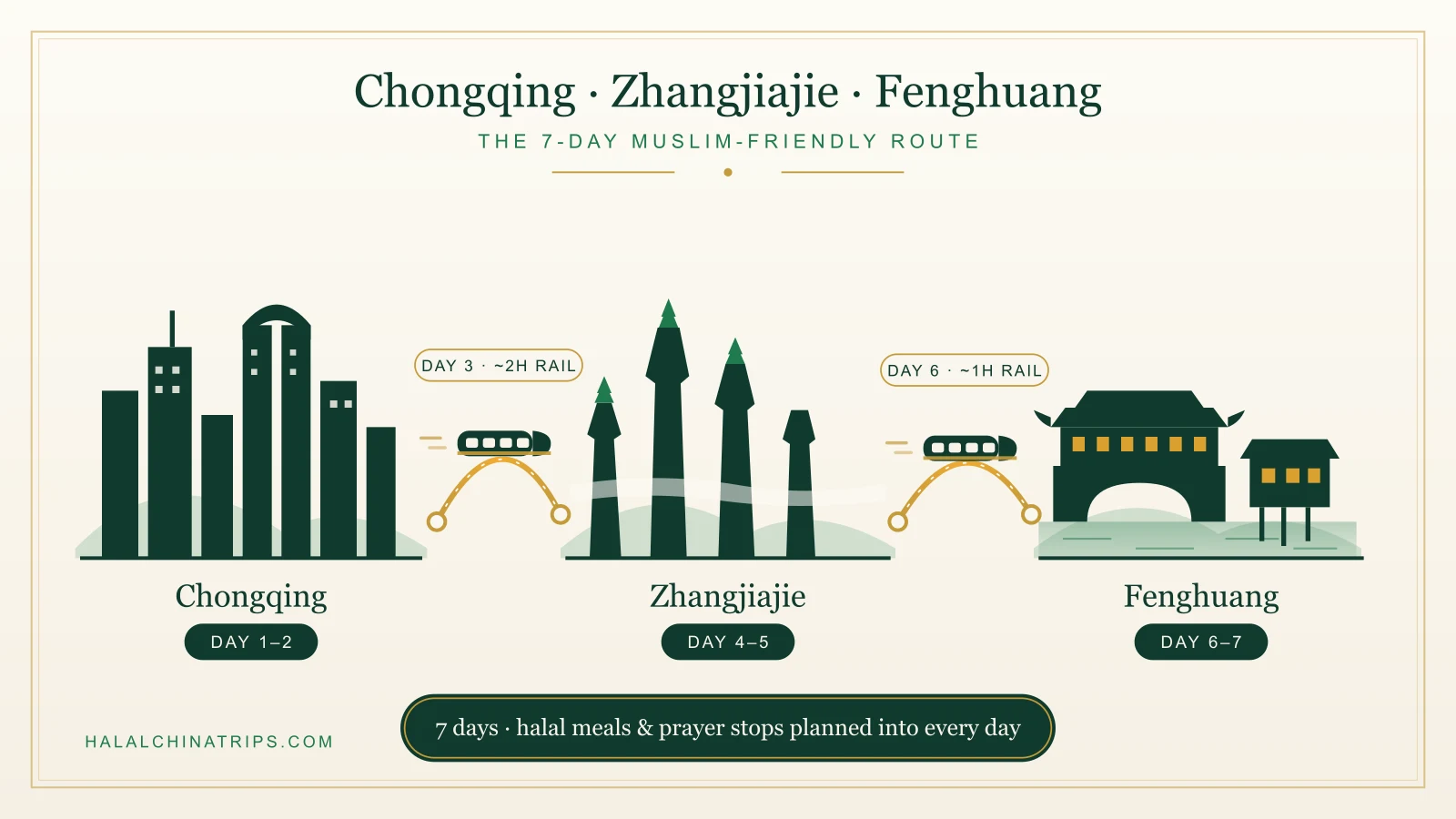
Only have 3 days? Keep Days 1–2 and pick either the day trip or the slow city day. And if you’re torn between Chongqing alone and a two-city trip, read Day 4 first — the 1.5–2.5 hour train to Chengdu is the reason most travelers we plan for end up doing both. The Chengdu–Chongqing leg itself is a 1–2 hour bullet train — our Chengdu to Chongqing guide covers stations and booking.
Three Things That Shape a Muslim Traveler’s Chongqing Plan
1. Halal food is concentrated, not spread out. Chongqing’s verified halal restaurants — including its halal hotpot houses — sit within a few hundred meters of the Muslim Building on Zhongxing Road, at Jiaochangkou in Yuzhong District. Locally, people simply call it the Chongqing halal street. Tourist areas like Hongyadong and Ciqikou have very little that’s verified, so the itinerary below deliberately passes through Jiaochangkou at least once a day. Our guide to halal food in Chongqing covers the individual restaurants, what halal hotpot involves, and the phrases to use when ordering.
2. Chongqing has more than one mosque — so match the mosque to your route, not the other way around. Several mosques around the city welcome visiting worshippers, in different districts. Instead of building a whole day around one address, pick whichever mosque sits along that day’s route. That’s how we plan it for our own travelers: sightseeing, meals and the prayer stop get chosen together. If your trip includes a Friday, decide where you’ll pray Jumu’ah when you plan that day, and double-check the prayer time shortly before you travel — it shifts with the season.
3. Chongqing is vertical. Streets stack on top of each other, metro exits open onto the 8th floor of a building, and “500 meters away” can mean ten flights of stairs. Everything takes a little longer than the map suggests, especially with older travelers or kids. Leave breathing room in every half day — this plan assumes an easy pace, not a checklist sprint.
Day 1 — Jiefangbei, Jiaochangkou and Hongyadong at Night
Stay in Yuzhong District. It puts Jiefangbei, Hongyadong, the halal street and several mosques within easy reach, and spares you the cross-river transfers that quietly eat an hour a day in this city. Our guide to where to stay in Chongqing compares the areas — and the hotels — in detail.
Start at Jiefangbei, the pedestrianized heart of the city, then walk to Jiaochangkou for your first halal meal — two metro stops, or about fifteen minutes on foot. This first lunch does more than feed you: you’ll see where the Muslim Building is and what the 清真 (halal) signs look like, and every meal decision after that gets easier.
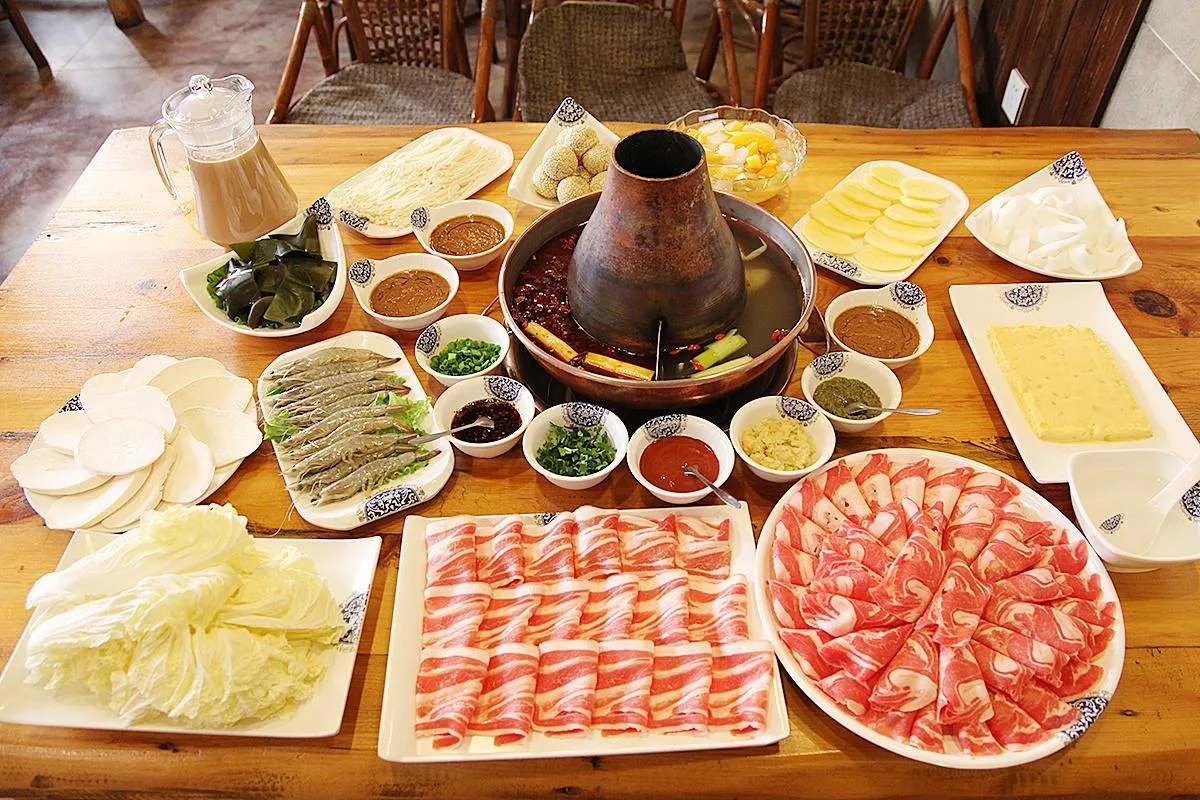
In the late afternoon, have a look at Luohan Temple if old architecture interests you, or just rest at the hotel — the evening is what Day 1 is really about. Eat an early halal hotpot dinner at the Muslim Building (the houses here serve the real beef-tallow málà experience, with halal beef and lamb), then take a taxi to Hongyadong for the night view that made Chongqing famous. Aim for around 8pm, when the whole stilted-house facade is lit. The snack stalls inside aren’t halal — which is exactly why dinner comes first and the views come after.
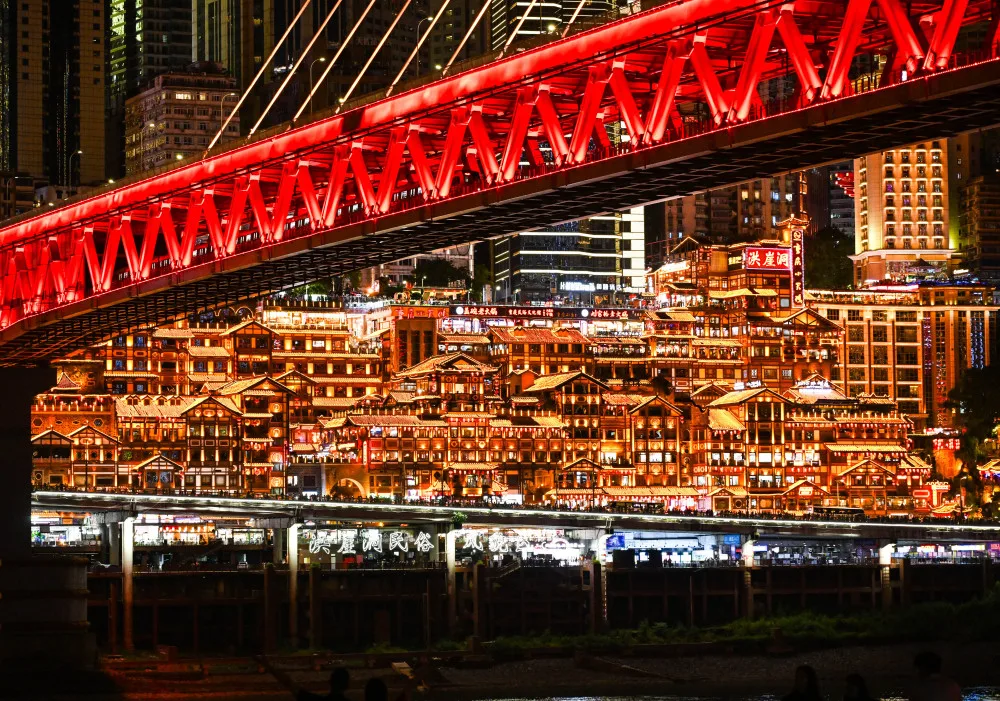
Day 2 — Liziba, Ciqikou and the Two Rivers Night Cruise
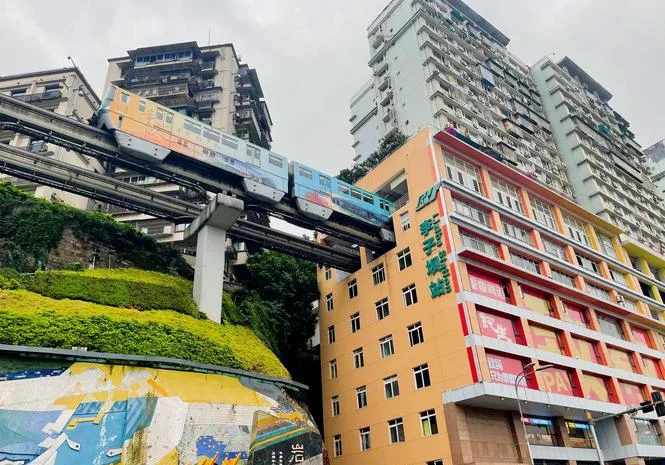
Start the day like a local: beef xiaomian (small noodles) for breakfast at the halal noodle shops near Jiaochangkou. Then take Metro Line 2 to Liziba and watch the train run straight through a residential building — the viewing platform is right beside the station, and mornings are quieter for photos.
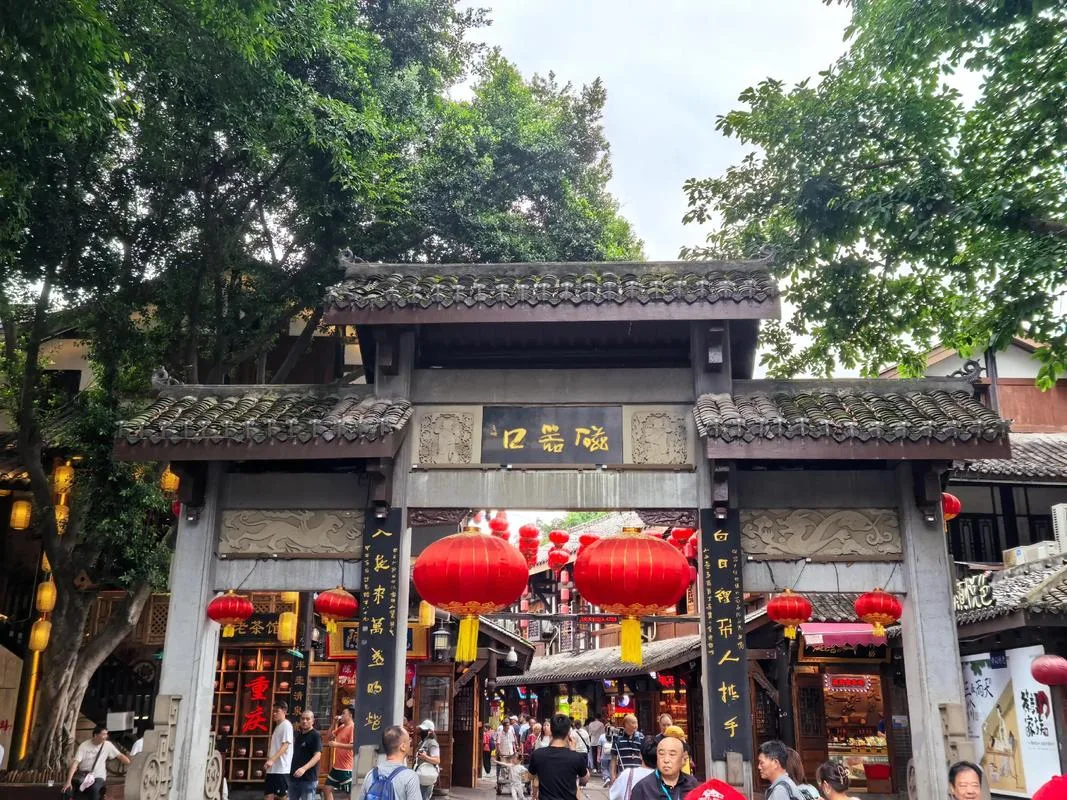
Stay on Line 2 to Ciqikou Ancient Town, a thousand-year-old riverside quarter of teahouses and stone lanes. One thing to know before you go: for a Muslim traveler, Ciqikou is a sightseeing stop, not a meal stop. There’s no large, dedicated halal restaurant inside, and the famous snack street is heavily pork-based. Enjoy the lanes and a pot of tea, stick to packaged snacks with clear labels if you buy anything, and head back toward the center by late afternoon.
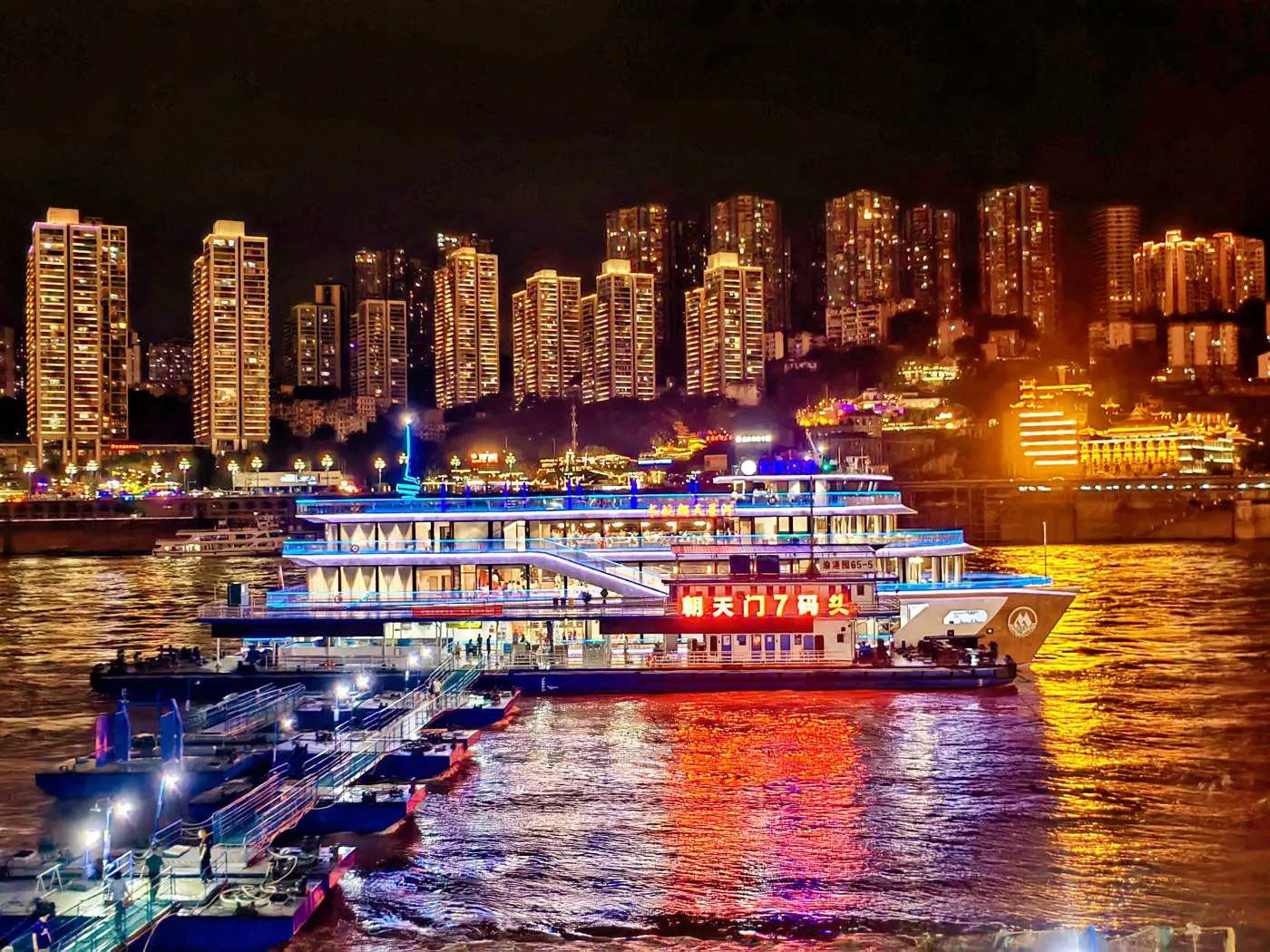
Dinner is back at the halal street — try a different restaurant from Day 1; beyond hotpot there are northwestern Chinese, home-style and noodle places. Then finish the day on the water: the Two Rivers night cruise from Chaotianmen shows you Hongyadong, the bridges and the skyline from where the Yangtze meets the Jialing. Boats leave in a window after sunset. In summer there’s usually time to pray Maghrib at the hotel before heading to the pier, but check the season’s sunset against your cruise slot — the timing shifts through the year, which is exactly why we work out this pairing carefully when we plan it for travelers.
Day 3 — Wulong Karst or Dazu Rock Carvings
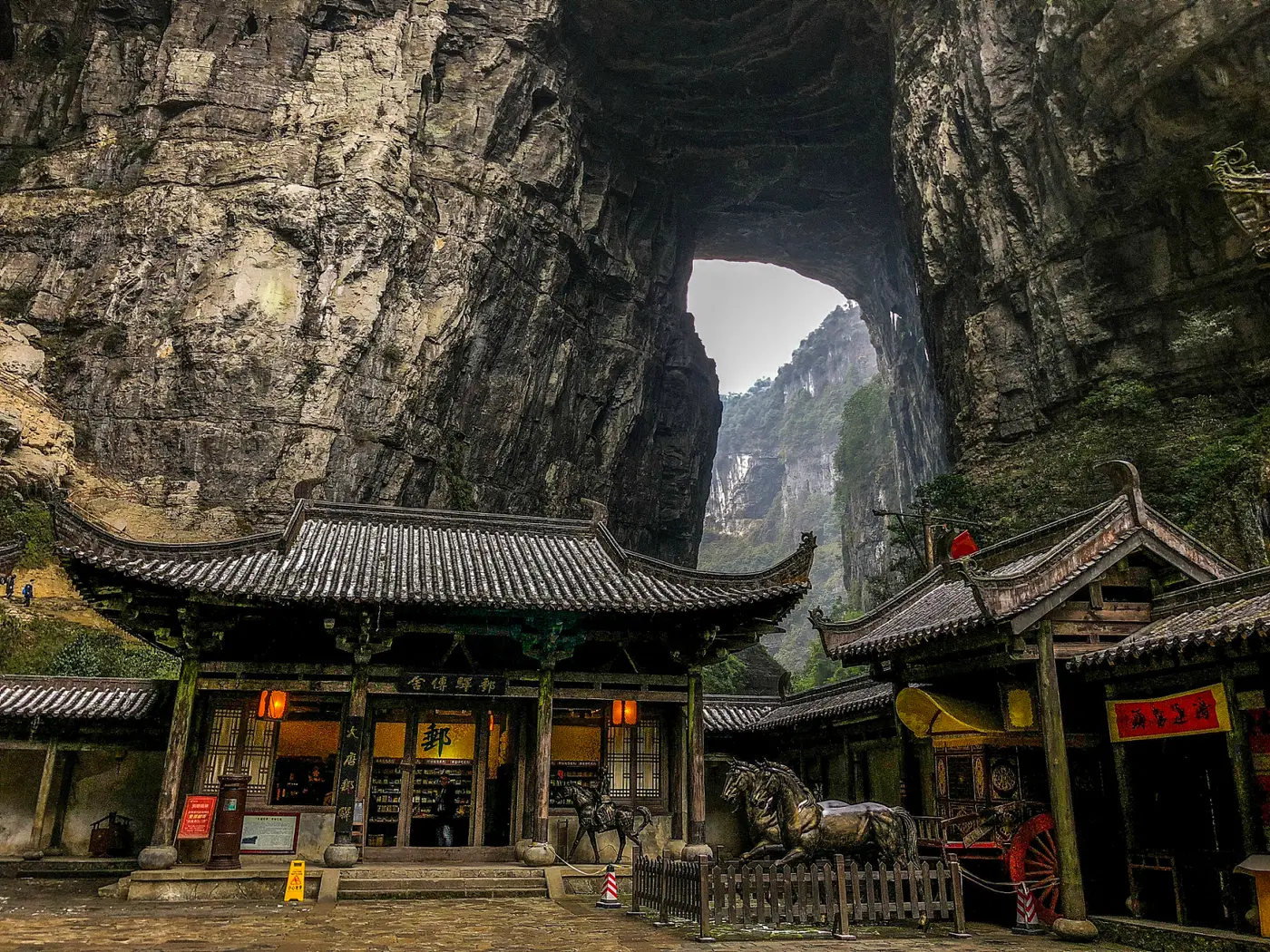
With three or more days, take one day trip. Two good options:
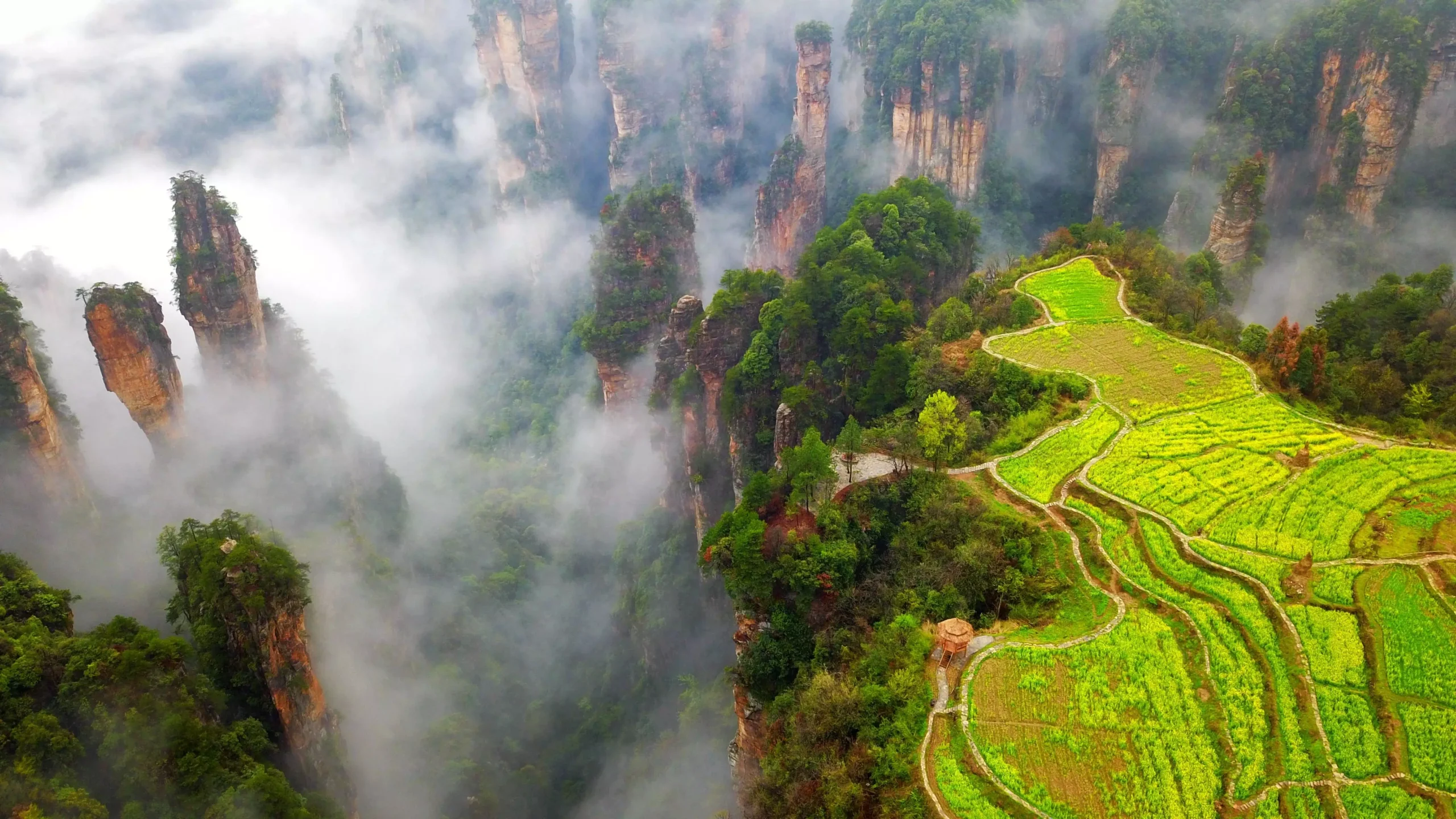
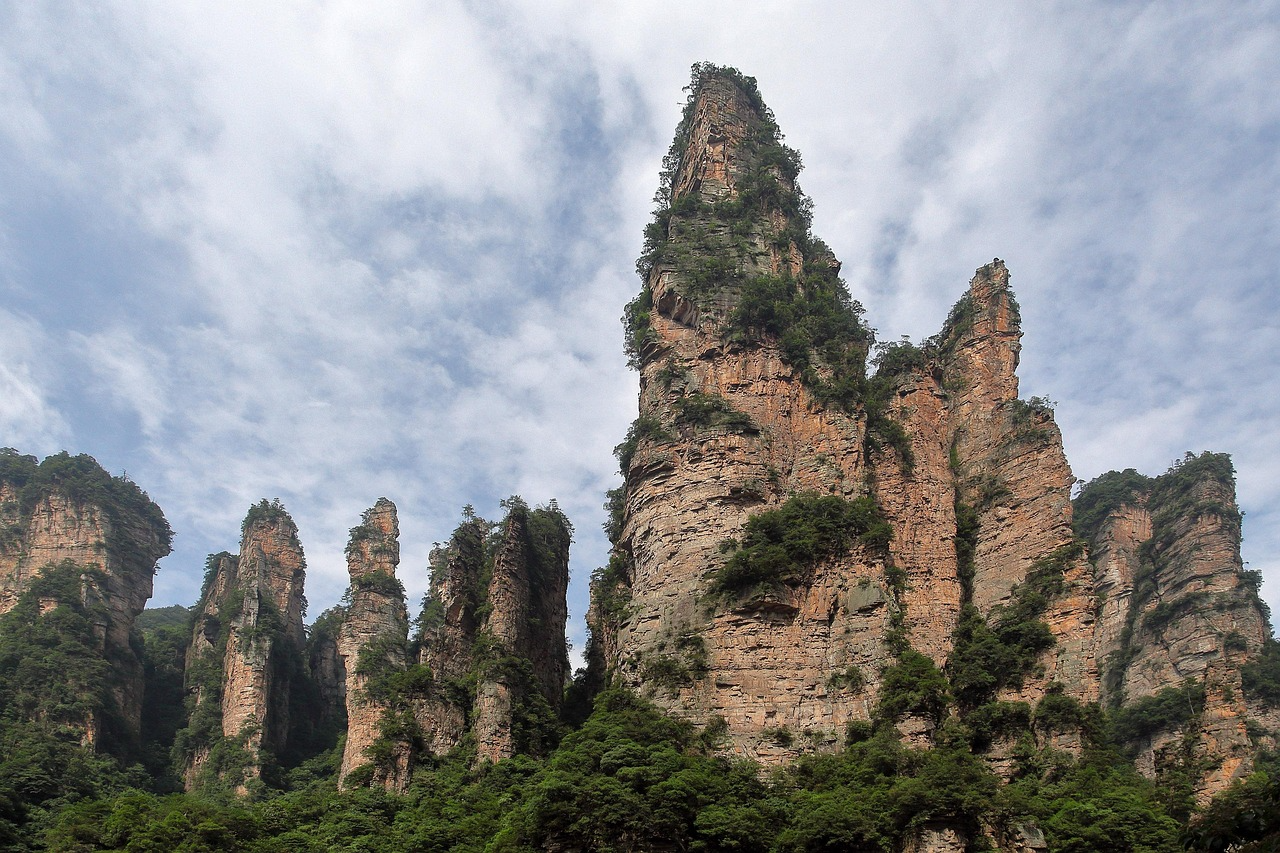
- Wulong Karst (about 2.5 hours each way by road): the Three Natural Bridges — enormous limestone arches over a walkable gorge — plus the Longshuixia Fissure. Choose this for dramatic scenery; expect plenty of walking and stairs.
- Dazu Rock Carvings (about 2 hours away): a UNESCO site of thousands of Buddhist and Taoist cliff sculptures from the Tang and Song dynasties. Choose this for culture and a gentler walking day.
In winter, treat Wulong as the whole day: daylight ends early, and the Three Natural Bridges plus the Longshuixia Fissure already fill it. If a same-day Fairy Mountain add-on comes up, keep it as a backup for fast-moving groups only — bolting it on is how the day turns rushed.
Day-trip food has a better answer than most guides let on: there are verified halal restaurants along both routes, and the trick is simply to plan the day’s lunch around one of them instead of gambling on whatever’s near the site entrance. It does take arranging — the restaurants are on the way, not inside the scenic areas. That’s how we run these trips ourselves: private driver, lunch stop confirmed before departure, and the walking route timed so everyone is back in Chongqing for dinner at Jiaochangkou. Pray Fajr before you leave and Dhuhr around the drive, and the day fits comfortably into normal prayer windows.
If you’d rather not add a fourth day, this is the piece to drop — the city itself fills three days easily.
Day 4 (Optional) — Slow Down, or Take the Train to Chengdu
Option A: a slower city day. Ride the Yangtze River cableway across the river (go early before the mid-morning queues, or after dark when the lit skyline is the whole point of the ride), walk up Eling Park for the panoramic view the postcards use, then give the afternoon back to whatever Days 1–2 squeezed out: more time around Jiefangbei, another round of hotpot, or simply rest before a flight.
Option B: continue to Chengdu. High-speed trains cover Chongqing to Chengdu in roughly 1.5–2 hours, with departures all through the day — which is why the two cities pair so naturally. Chengdu’s halal scene is even easier than Chongqing’s: the mosque and halal restaurants sit together in the city center, covered in our guide to halal food in Chengdu. Pandas plus a flatter, calmer city also make it the better half for families — we’ve laid that side out in our Chengdu itinerary for Muslim families.
This two-city route is the Chongqing plan we’re asked for most, and it’s what our Chongqing + Chengdu package (5 days, 4 nights) is built around: every meal at a verified halal restaurant, prayer time held open in each day’s schedule, tickets, hotels and a private vehicle included — and no shopping stops. That does make the price higher than tours that subsidize themselves with commission-paying shop visits; the difference is that none of your time gets traded to a jade showroom. If you’d like this route priced for your dates and group size, message us on WhatsApp and tell us how many travelers you have.
Organizing This Trip for a Group (10–30 People)
Group organizers ask us different questions than families do. Here are the Chongqing-specific answers:
- Restaurant capacity. The halal hotpot houses at Jiaochangkou can seat groups, but a 20-person table on a Saturday evening doesn’t happen on walk-in. Book days ahead — or let whoever handles your ground arrangements do it. This is the single most common thing organizers leave too late.
- Coach logistics. Central Chongqing’s stacked roads mean coaches can’t stop everywhere; drop-off points for Hongyadong and Jiefangbei are short walks from the sights themselves. Build five to ten minutes of walking into each stop and tell your group in advance.
- One menu, one price. For groups, we agree set halal menus with the restaurants in advance: everyone eats to the same standard and the per-person cost is locked before departure — usually the thing a group treasurer needs most.
- Prayer for a group. With a private coach, the driver can hold at agreed points for prayer, and a mosque visit can be worked into the route — which mosque suits a group depends on that day’s plan.
English-speaking guides are available in every city we operate; other languages can be requested, subject to availability. If you’re bringing a group, talk to us on WhatsApp early — per-person pricing drops meaningfully as numbers rise, and everything above is the kind of thing we settle before anyone lands.
FAQ
How many days do you need in Chongqing?
Three days covers the city itself — Jiefangbei, Hongyadong, Liziba, Ciqikou and the night cruise. Add a fourth day for a Wulong or Dazu day trip, or use it to continue to Chengdu by high-speed train.
Is Chongqing worth visiting for Muslim travelers?
Yes. The city has an established Hui Muslim community, working mosques, and a concentrated halal dining street at Jiaochangkou that includes halal versions of Chongqing’s signature hotpot.
Where do Muslim travelers eat in Chongqing?
Almost everything verified sits around the Muslim Building on Zhongxing Road at Jiaochangkou — locally known as the Chongqing halal street. Our halal food guide for Chongqing lists the individual restaurants.
Is there a mosque in Chongqing?
Yes — Chongqing has several mosques open to visiting worshippers, in different districts. The sensible way to use them is to pick the one that fits each day’s route; confirm Friday Jumu’ah timing shortly before your trip.
Can Muslim travelers do a day trip to Wulong or Dazu?
Yes. There are verified halal restaurants along both routes; arrange the lunch stop before departure rather than relying on food near the scenic areas, and the day works without compromise.
Should I combine Chongqing with Chengdu?
If you have five or more days, yes. The high-speed train takes roughly 1.5–2.5 hours, and Chengdu adds pandas and an easy central halal district — the two cities together are the most common route we plan.