Last Updated on August 17, 2026 by Halalchinatrips
Niujie Mosque is currently closed — but the halal street around it stays open. Beijing’s oldest and largest mosque began a major heritage restoration on 19 August 2024, approved by China’s National Cultural Heritage Administration, with a planned duration of about three years. During the works, religious activities are suspended and visits are declined — for Muslims and non-Muslims alike. The neighborhood’s businesses — the halal restaurants and the Muslim supermarket along Niujie — continue operating during the works. No reopening date has been announced.
If you are planning a Beijing trip in 2026, the practical version is simple: keep the mosque visit off your list for now and pray at one of Beijing’s other mosques (list below); for halal meals the Niujie street itself stays open, and the wider city has plenty of options too, from Dongcheng beef-noodle houses to halal Peking duck. This guide covers the mosque’s status, where to pray during the closure, and how to plan your Beijing days around it.
Niujie Mosque at a Glance
| Status (checked August 2026) | Closed for restoration; religious activities suspended; visits declined |
| Restoration started | 19 August 2024, planned for roughly three years |
| Neighborhood businesses | Halal restaurants and shops on Niujie continue operating during the restoration |
| Location | Niujie (Ox Street), Xicheng District, Beijing |
| What it is | Beijing’s oldest and largest mosque, founded in 966 during the Liao dynasty |
| Heritage listing | National Key Cultural Heritage Site (since 1988) |
Because this is an official heritage project, the details — what is fenced off, whether any businesses have reopened, the eventual reopening date — can change without appearing in English-language sources at all. If your trip depends on it, ask us on WhatsApp before you fly: HalalChinaTrips is based in China, and we can check the current situation for you the same day.
Why This Mosque Matters to Muslim Travelers
Niujie Mosque is one of the clearest examples anywhere of Chinese and Islamic architecture merged into one building. Founded in 966 by Nasruddin, an Arab scholar serving the Liao court, it was first repaired in 995, underwent a second major reconstruction in 1442 under the Ming, and was restored again in 1696 in the Qing — eight rounds of repair and expansion in all. From the street it reads as a classical Chinese temple complex: a 40-meter grey-brick screen wall, a hexagonal double-eaved Moon Watching Tower over the gate, palace-style roofs. Inside, the 600-square-meter prayer hall holds over a thousand worshippers under beams painted with gilded Quranic script, and the mihrab and window lattices carry Arabic calligraphy in Kufic style. Two courtyard tombs belong to sheikhs from Medina and Bukhara who died here in the 1280s — evidence of how long this site has anchored Islam in northern China.
That is also why the restoration matters. This is heritage-grade work on a thousand-year-old complex, not a quick repaint. The closure is frustrating if Niujie Mosque was on your list, but it is the kind of project that keeps a site like this standing for the next century.
The Restoration: What We Know
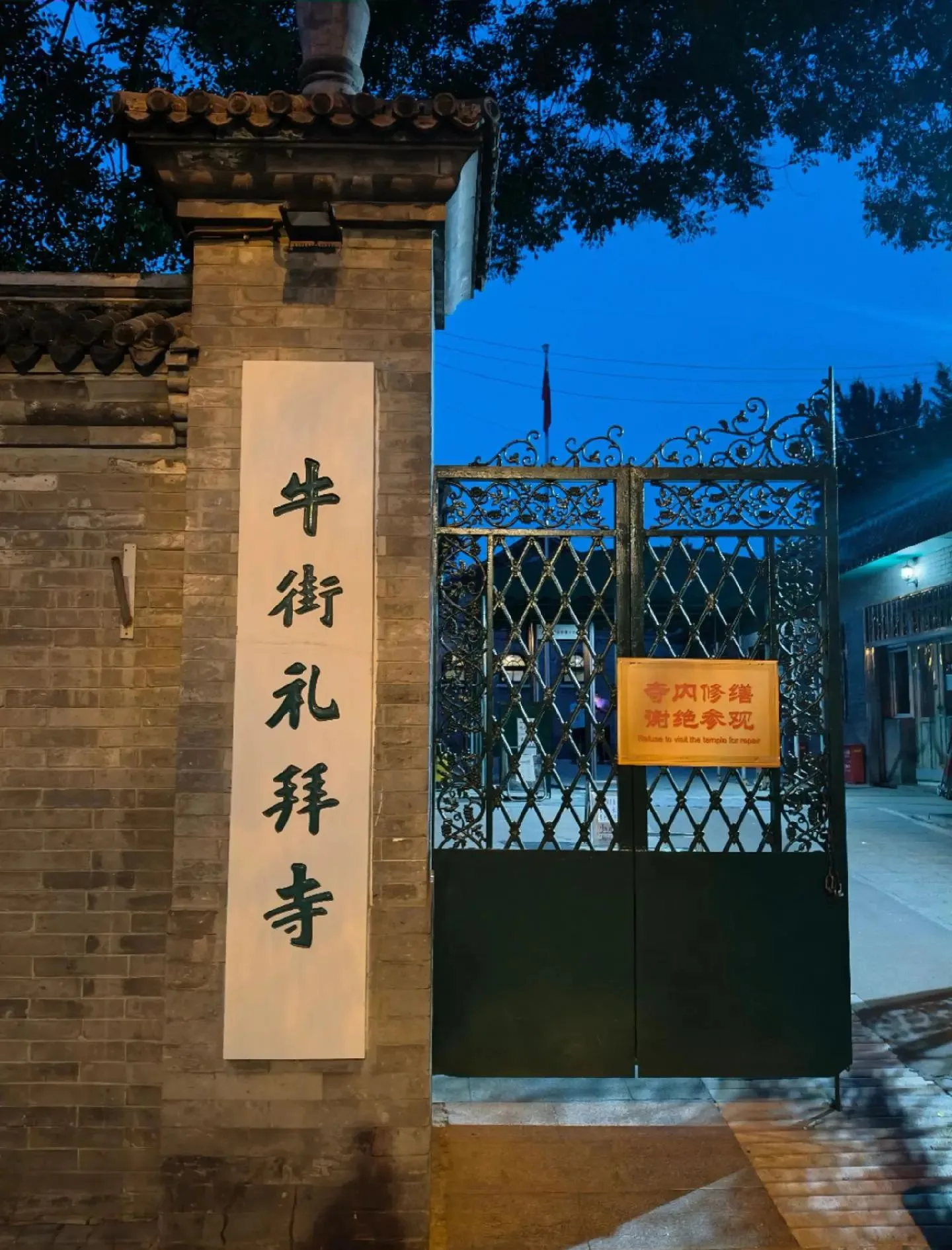
- Start date: 19 August 2024, approved by the National Cultural Heritage Administration.
- Duration: planned as roughly three years, which points to 2027 — but no official reopening date has been published, and heritage projects of this scale finish when they finish.
- During the works: the site is a construction zone. Entry is restricted to project personnel, religious activities are suspended, and visits are declined. The surrounding street’s halal businesses stay open.
- Out-of-date listings are everywhere. Travel sites still showing “open 9:00–18:00” with a ticket price, and recent videos suggesting you can slip in to pray, do not reflect the official closure. Don’t plan around them.
When the mosque reopens, we will update this guide.
Where to Pray in Beijing During the Closure
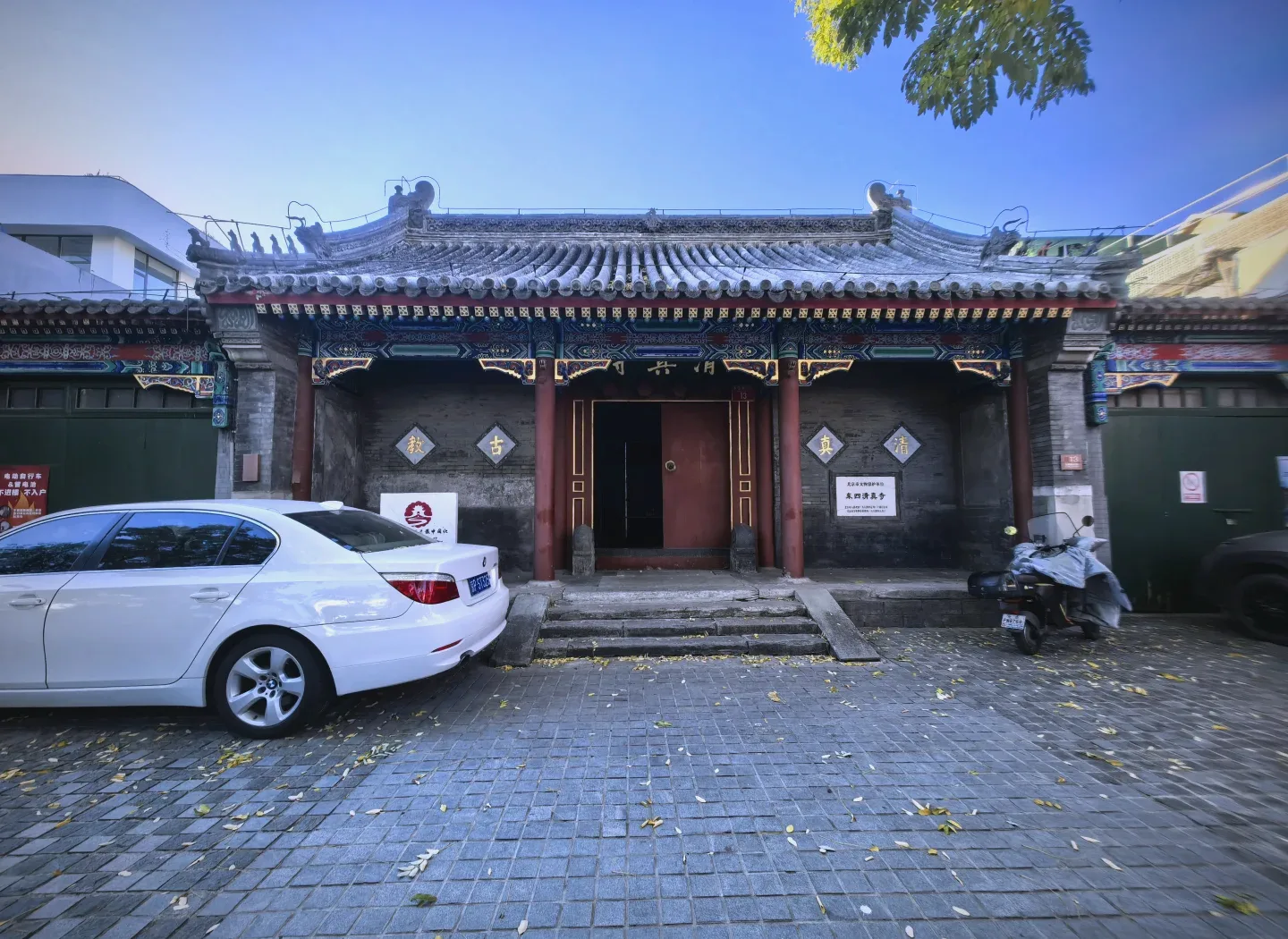
Beijing’s Muslim community remains active, and several mosques across the city hold daily and Jumu’ah prayers and welcome visiting Muslims. These are the ones we use when planning client itineraries, chosen by which side of the city your day puts you on:
| Mosque | District / Address | Phone |
|---|---|---|
| Dongsi Mosque | 13 Dongsi South Street, Dongcheng (city center, Wangfujing side) | +86 10 6525 7824 |
| Dewai Fayuan Mosque | 200 Dewai Street, Xicheng (north of the center) | +86 10 6201 6131 |
| Nanxiapo Mosque | 129 Chaowai Ertiao, Chaoyang (east side / CBD area) | +86 10 8562 6316 |
| Qinghe Mosque | 133 Qinghe Second Street, Haidian (northwest) | +86 10 6291 3022 |
| Landianchang Mosque | 40 Landianchang Broad Street, Haidian (Summer Palace direction) | +86 10 8887 0236 |
All five accept visiting worshippers, including for Friday prayer. Practical picks: Dongsi Mosque is the most convenient if you are staying near the Forbidden City / Wangfujing area, and is itself a historic mosque worth seeing. If your afternoon ends toward the Summer Palace, Landianchang is the closer option; Nanxiapo covers the CBD side. Slotting the right mosque into each day’s route at the right prayer time is standard in every HalalChinaTrips itinerary — you should never have to solve this on the street at Maghrib.
Halal Food During the Mosque Restoration
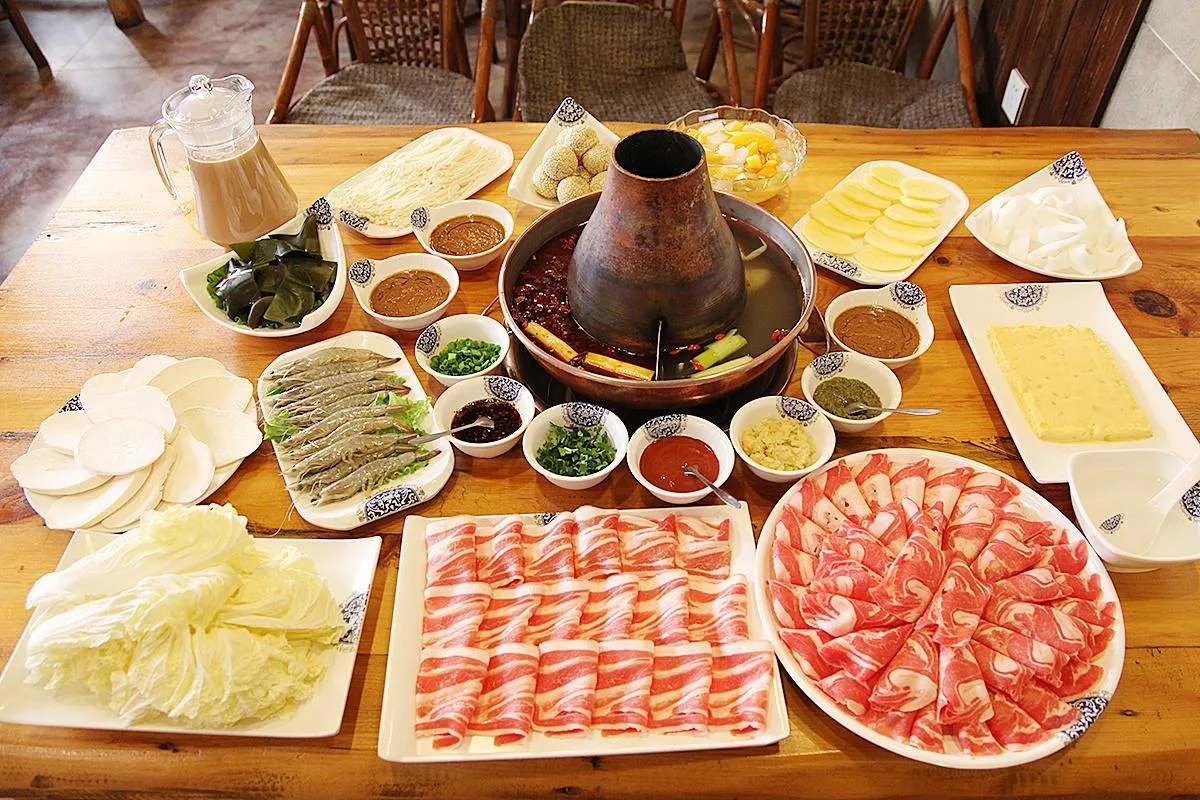
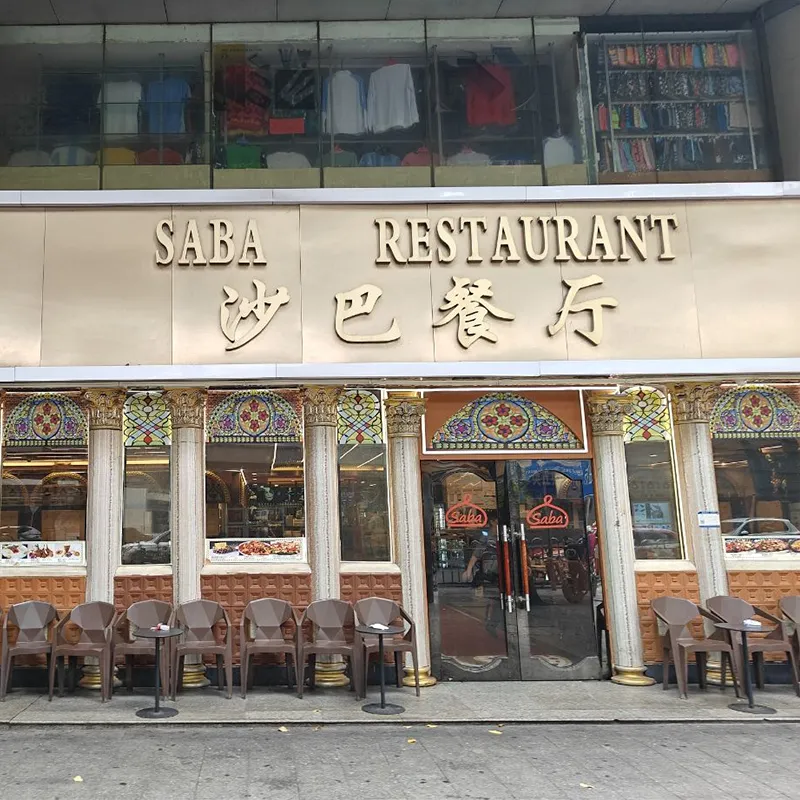
Niujie is Beijing’s densest halal food district, and its restaurants stay open during the mosque restoration. Halal restaurants also operate across Dongcheng, Chaoyang and the tourist core, including the halal Peking duck houses that should be on your list regardless of Niujie’s status. For specific restaurants, dishes and areas, see our full guide to halal food in Beijing.
Fitting It All into a Beijing Itinerary
With the mosque visit off the board, a first-time Beijing day plan looks like this:
- Morning: Tiananmen Square and the Forbidden City (book the Forbidden City days ahead — it caps daily entries).
- Midday: halal lunch in the city center; Dhuhr at Dongsi Mosque, a short ride away.
- Afternoon: Temple of Heaven or the hutong areas, depending on your pace.
- Evening: halal Peking duck for dinner.
Beijing is the arrival city for most international Muslim travelers, and the first day or two set the tone for the whole trip — jet lag, first halal meals, first prayer logistics, tickets that must be reserved in advance. It is exactly the part people underestimate when booking everything themselves. Tell us your dates and group size on WhatsApp, and we will map your Beijing days around prayer times and pre-verified halal restaurants, then connect them to the rest of your China route — Xi’an and the Silk Road cities, or Zhangjiajie’s mountains.
FAQ
Is Niujie Mosque open in 2026?
No. It has been closed since 19 August 2024 for a heritage restoration planned to take about three years. Religious activities are suspended and visits are declined during the works, and no reopening date has been announced.
Can Muslims pray at Niujie Mosque during the renovation?
No — the suspension covers religious activities as well as tourism. Pray instead at one of Beijing’s other mosques, such as Dongsi Mosque in Dongcheng District, which welcomes visiting worshippers including for Jumu’ah.
Are the halal restaurants on Niujie street open?
Yes. The restoration covers the mosque itself; the street’s halal restaurants and shops continue operating. Use our Beijing halal food guide to eat well elsewhere in the city.
When will Niujie Mosque reopen?
The project was announced with a roughly three-year timeline from August 2024, which suggests 2027, but there is no confirmed reopening date. We will update this guide when an official date is published.
Is there a Muslim quarter in Beijing?
Yes — Niujie, in Xicheng District, is the historic center of Beijing’s Muslim community. The street and its businesses stay open during the mosque’s restoration — only the mosque itself cannot be visited.
What is the oldest mosque in Beijing?
Niujie Mosque, founded in 966 during the Liao dynasty, first repaired in 995 and rebuilt or expanded eight times since. It is a National Key Cultural Heritage Site.
Is Beijing halal friendly?
Yes, by Chinese big-city standards: an established Muslim community, multiple working mosques that welcome visiting worshippers, and halal food across the city — even with Niujie Mosque temporarily closed. See our Beijing halal food guide for details.