Last Updated on September 12, 2026 by Halalchinatrips
Yes, you can eat halal in Beijing — and better than in most Chinese cities. Beijing has a Muslim community that predates the Forbidden City by centuries and long-established halal restaurants that serve the city’s signature dishes, including a genuinely halal version of Peking duck. One note for 2026: the Niujie Mosque itself is closed for a multi-year restoration, but the Niujie street’s halal restaurants and shops stay open. Eating well in Beijing remains a planning problem, not an availability problem — halal food clusters in certain neighborhoods, while the big sights sit in areas where you cannot assume anything. This guide covers where the reliable food actually is right now, and how to arrange your days around it.
Niujie: Beijing’s Muslim Quarter (Mosque Closed for Restoration — Street Open)
Update, August 2026: Only the mosque itself is behind hoarding — the street is open. The district’s anchor — the Niujie Mosque, founded in 966 and both the oldest and largest mosque in Beijing — began a heritage restoration in August 2024 planned to run about three years. The street’s businesses — the halal restaurants, butchers, bakeries and the Muslim supermarket — continue operating during the works. Our Niujie Mosque closure guide covers the details, including which Beijing mosques to pray at instead.
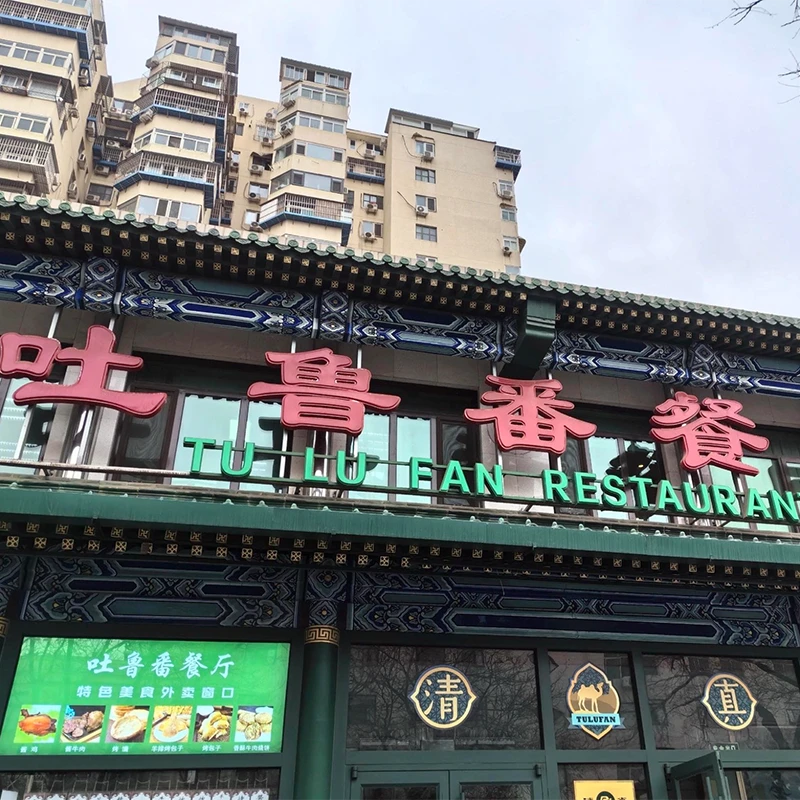
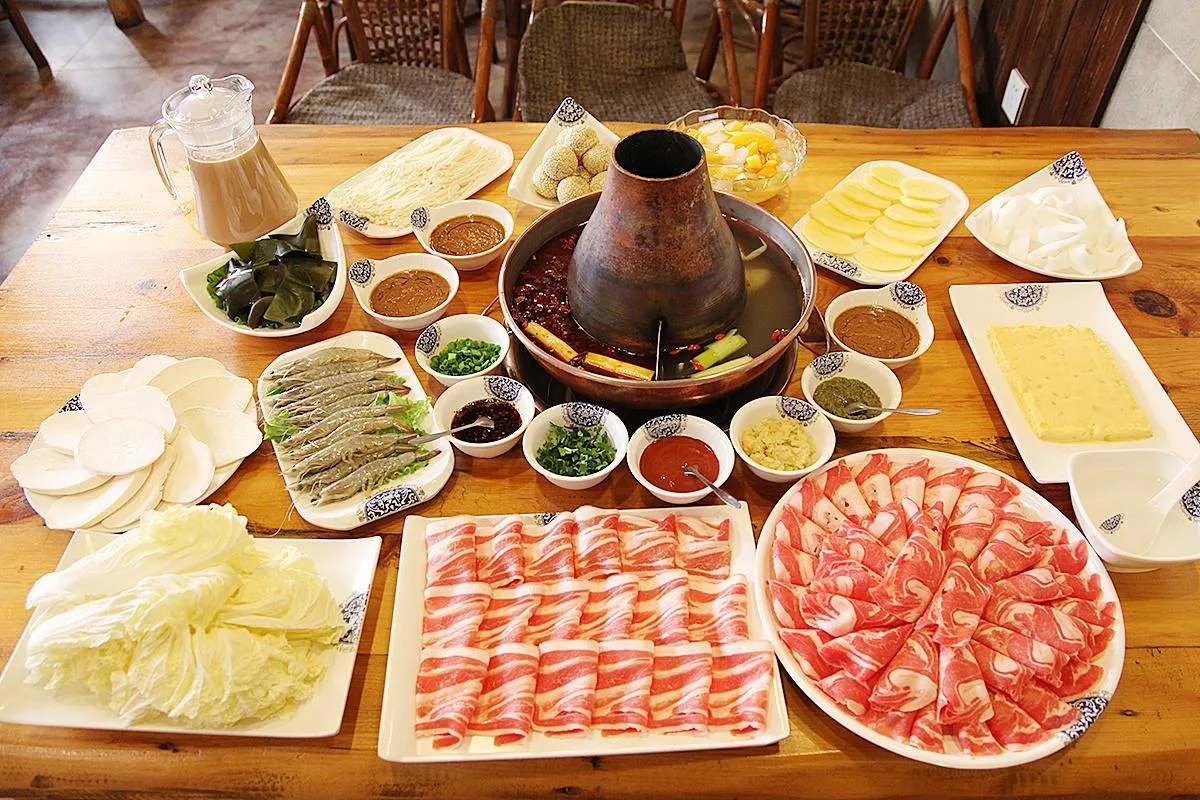
For context: Niujie (“Ox Street”) in Xicheng District is the heart of Muslim Beijing — a working Hui Muslim neighborhood whose streets hold the city’s densest concentration of halal food, with names like Jubaoyuan (the famous halal copper-pot lamb hotpot house) and Turpan Restaurant (Xinjiang cuisine) worth planning a meal around. We will update this guide when Niujie comes back; until then, everything below still works — Beijing’s other halal institutions are unaffected.
Halal Peking Duck: Yes, It Exists
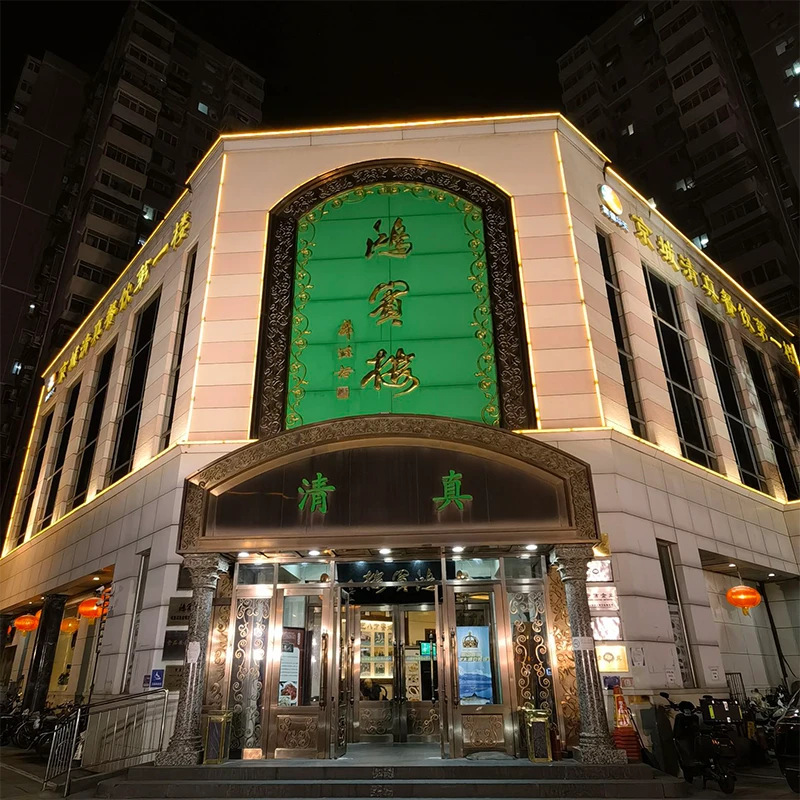
The most common worry we hear from travelers planning Beijing: “I’ll have to skip the duck.” You won’t. Mainstream duck houses are not halal — the famous chains cook in kitchens that handle pork — but Beijing’s old halal restaurants solved this problem generations ago. So yes, Peking duck can be halal; what matters is whose kitchen roasts it.
The classic address is Hongbinlou — founded in Tianjin in 1853, in Beijing since 1955, and halal from day one — where roast duck comes with the full ritual: crisp skin, thin pancakes, sweet bean sauce, from a fully halal kitchen. Ziguangyuan, a halal chain whose brand dates back to 1912, sells roast duck at more casual prices across the city; look for the green 清真 (qingzhen) sign on the shopfront, which every genuinely halal establishment in Beijing displays.
Two pieces of advice from arranging this dinner for many groups: book ahead for Hongbinlou on weekends — halal Peking duck is exactly the meal every Muslim group in Beijing wants on the same Saturday night — and treat the duck dinner as the evening’s event rather than a stop before something else. When we build Beijing itineraries, this is usually the farewell dinner.
Eating Halal Near Beijing’s Big Sights
This is where Beijing differs from a compact city: the sights are scattered, and halal food does not follow them. Neighborhood by neighborhood:
Forbidden City, Tiananmen, and Wangfujing
Inside the palace complex there is nothing halal — plan around it. The practical pattern is a solid halal breakfast, an early palace entry, and a late lunch afterwards. Within walking distance of Wangfujing you’ll find Muslim-run Lanzhou beef noodle and Xinjiang restaurants (the qingzhen sign is your filter), and Donglaishun — the century-old halal mutton hotpot brand — has branches in central Beijing. A hotpot lunch after a cold morning in the palace is a combination our clients consistently rate as a highlight.
The Great Wall day trip
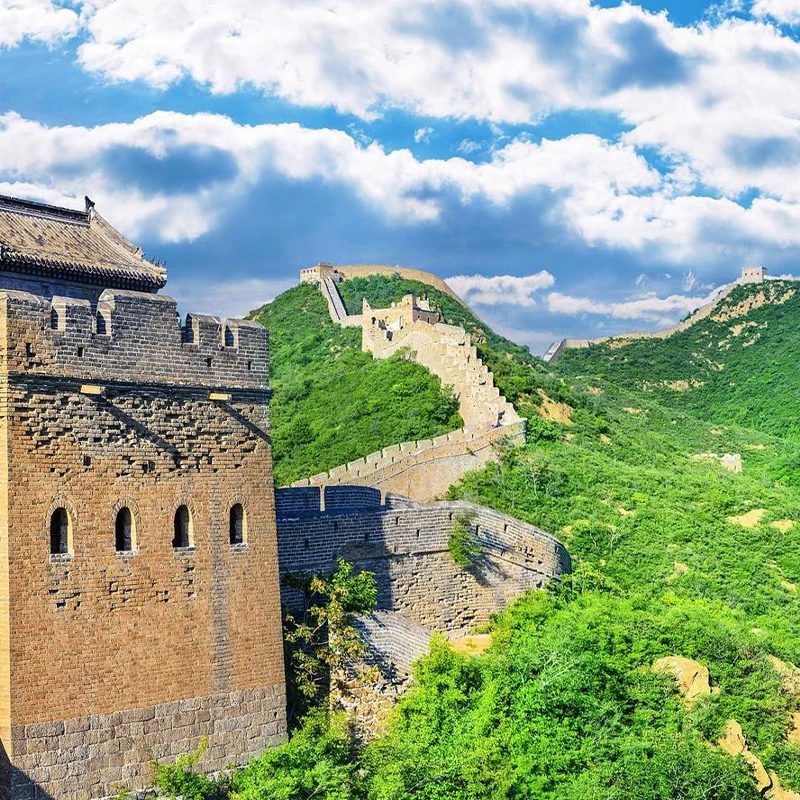
The honest answer: at Mutianyu and Badaling, do not count on finding halal food. The restaurant strips at the Wall’s base cater to tour buses, and nothing there should be assumed. Three workable approaches:
- Eat a big halal breakfast and carry lunch — bread, fruit, packaged snacks — and have your proper meal back in the city;
- Do the Wall in the morning and schedule a late halal lunch for the return (the drive back from Mutianyu to central Beijing runs about 1.5 hours);
- With a private driver, route the day so the meal stop lands at a verified restaurant rather than a roadside gamble — this is how we run it, and it’s the difference between a 10-hour day that works and one that ends hungry.
Temple of Heaven and Qianmen
Qianmen’s pedestrian street is heavily touristic; treat it as snacks-and-photos territory, not dinner. Plan your evening meal at one of the verified halal restaurants in the center — Donglaishun hotpot or a Ziguangyuan branch both work well after a Temple of Heaven afternoon.
Chains, Fast Food, and How to Verify
Three rules save a lot of second-guessing:
- Mainstream fast-food chains in mainland China are not halal. KFC, McDonald’s, and their local equivalents are not certified and do not run separated kitchens — the airport and mall outlets included. This surprises travelers coming from Malaysia or the Gulf, where the same brands are certified.
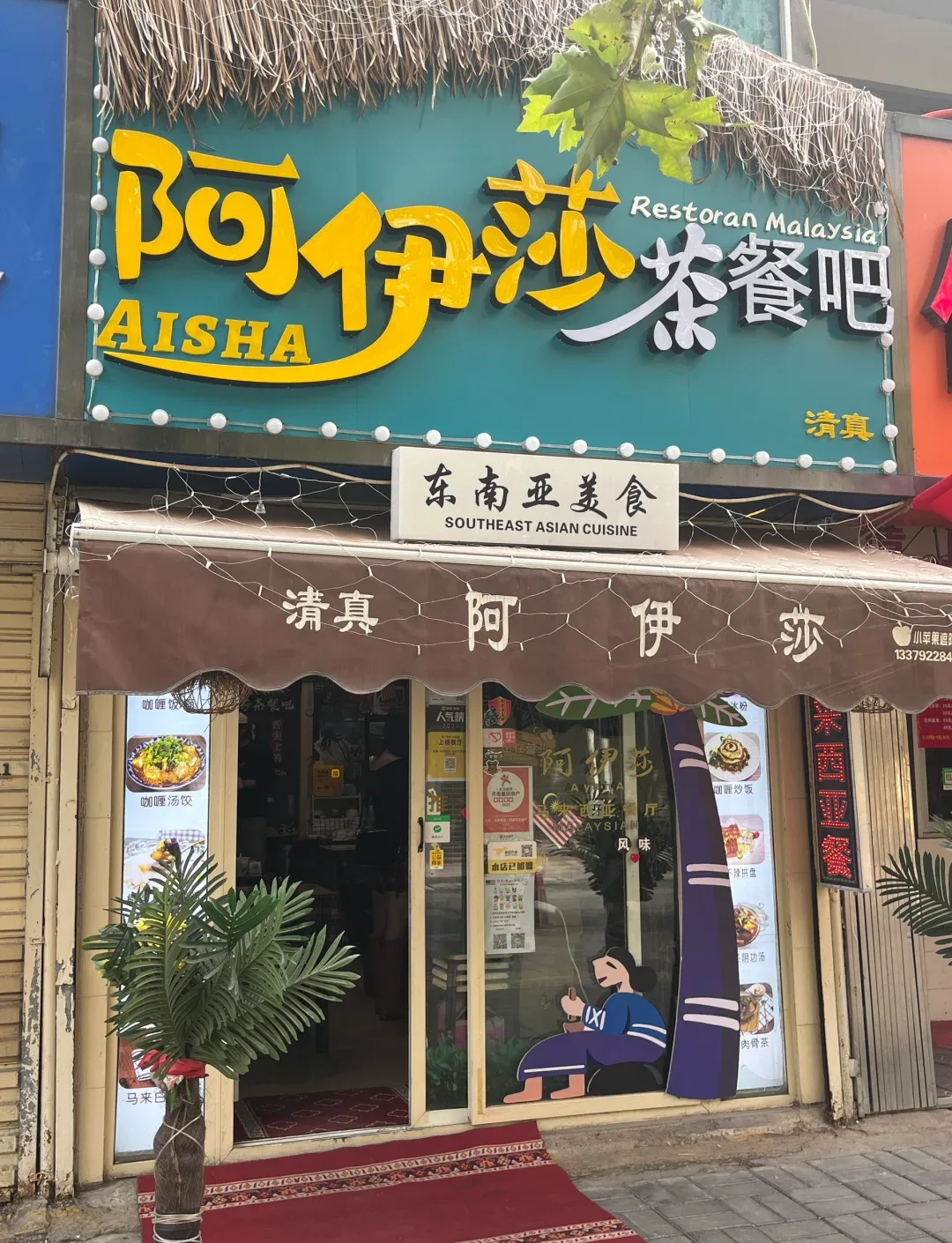
- The 清真 (qingzhen) sign is the working standard. China’s halal economy runs on community trust rather than national certification — the green sign, usually with Arabic script, marks restaurants run by Muslims for Muslims. Our guide to halal Chinese food explains the system and what the classic dishes are.
- Halal chains are your everyday workhorses. Beyond the famous names, halal beef-noodle shops appear in most Beijing neighborhoods, and halal chains like Ziguangyuan mean a reliable meal is rarely far — the skill is spotting them, which takes about a day of practice.
Halal Food at Beijing’s Airports (PEK and Daxing)
At Beijing Capital (PEK), the one confirmed halal restaurant is Sonice (苏耐斯) on Level 5 of Terminal 3-C, in the public area before security, open 9:00–21:00 — useful on arrival, not after you pass security, where nothing halal is on record. At Daxing (PKX), a halal noodle shop has been reported in the arrivals area, but only in unofficial listings — treat it as confirm-on-arrival and carry packaged food until you reach the city. Either way, don’t plan your last proper meal around a terminal.
Fitting Halal Meals Into a Beijing Itinerary
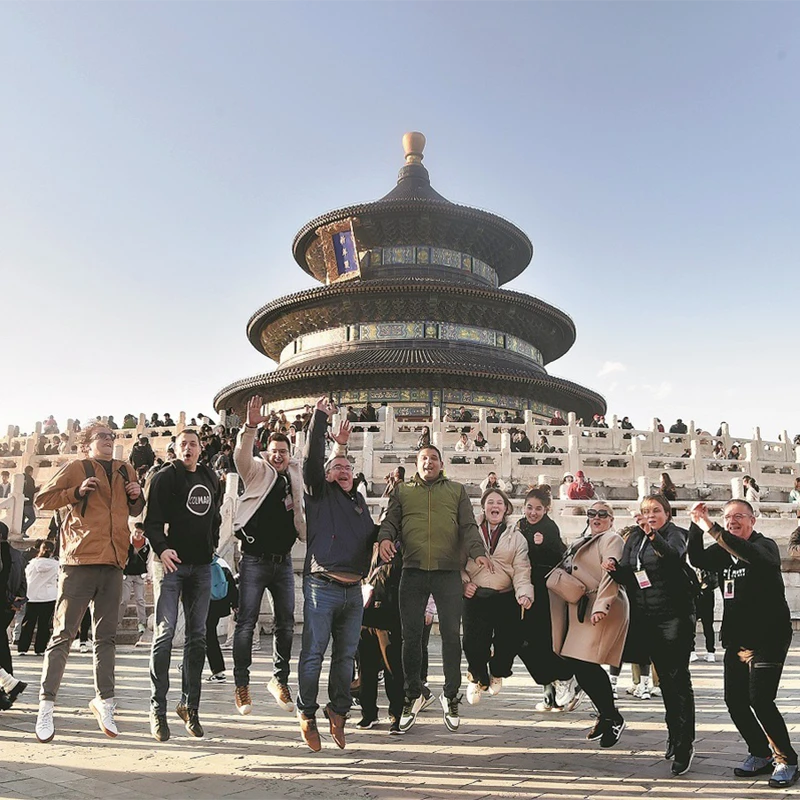
Beijing deserves 4–5 days, and the meal plan writes itself once you accept one principle: anchor each day’s main meal to where the halal food is, not where the sightseeing ends.
- Day 1 (arrival + city center): Tiananmen and the Forbidden City, late hotpot lunch near Wangfujing, evening free.
- Day 2 (Great Wall): big breakfast, packed lunch, early return, proper dinner — the day above.
- Day 3 (Temple of Heaven + hutongs): temple in the morning, Dhuhr at Dongsi Mosque, then the hutong areas — keep the evening for a proper halal dinner in the center.
- Day 4 (flex): hutongs or the Summer Palace, with the halal Peking duck dinner as the send-off.
For groups, the calculus changes: a table of twenty needs restaurants that can actually seat and serve twenty halal meals at once, which rules out most small noodle shops and makes advance booking non-negotiable at places like Donglaishun or Hongbinlou. Sequencing restaurants, prayer stops at the right mosque for each day’s route, and the Great Wall logistics is the unglamorous work behind a Beijing trip that feels effortless — it’s what we do for every group we run there, with each restaurant verified before the itinerary is locked. See our Beijing destination guide for the full picture including hotels and prayer planning, or message us on WhatsApp (+86-19118612939) with your dates and group size and we’ll sketch the meal plan around your route.
For how Beijing compares with other Chinese cities on the halal front, our overview of halal food in China sets expectations city by city.
FAQ
Is there halal food in Beijing?
Yes — plenty, and better than in most Chinese cities: an established Hui Muslim community, the Niujie halal district (the street’s restaurants stay open during the mosque restoration), genuinely halal Peking duck at Hongbinlou, plus the Ziguangyuan chain and Donglaishun hotpot in the center. The food concentrates in certain areas, so meals need planning around your sightseeing — and for everything beyond food, our is Beijing Muslim-friendly answer covers prayer, hotels and neighborhoods.
Is KFC halal in Beijing?
No. KFC, McDonald’s, and other mainstream fast-food chains in mainland China are not halal-certified — unlike in Malaysia or the Gulf. Skip them and use qingzhen-marked restaurants instead.
Is Peking duck halal?
Not at the mainstream duck houses — their kitchens handle pork. But halal Peking duck is a real Beijing tradition: Hongbinlou has roasted it from a fully halal kitchen for generations, and the halal chain Ziguangyuan sells a casual version. Order it where the kitchen is halal, not where the brand is famous.
Where can I eat halal Peking duck?
Hongbinlou is the classic halal restaurant for a full Peking duck dinner; the halal chain Ziguangyuan sells roast duck more casually. Book ahead for weekend dinners.
Is all food on Niujie street halal?
Normally yes — it is a working Hui Muslim district serving its own community. The street’s businesses stay open during the Niujie Mosque restoration. See our Niujie Mosque guide for the current status.
Is there halal food near the Great Wall?
Don’t count on it. The restaurants near Mutianyu and Badaling cater to tour groups and are not halal. Carry food for the day and plan your proper meal back in Beijing.
Is there halal food at Beijing airport?
Beijing Capital (PEK) T3 has one halal restaurant in the public area before security, not airside — options are limited, verify on-site. At Daxing (PKX), assume packaged food until you reach the city.