Last Updated on October 5, 2026 by Aaron Chen
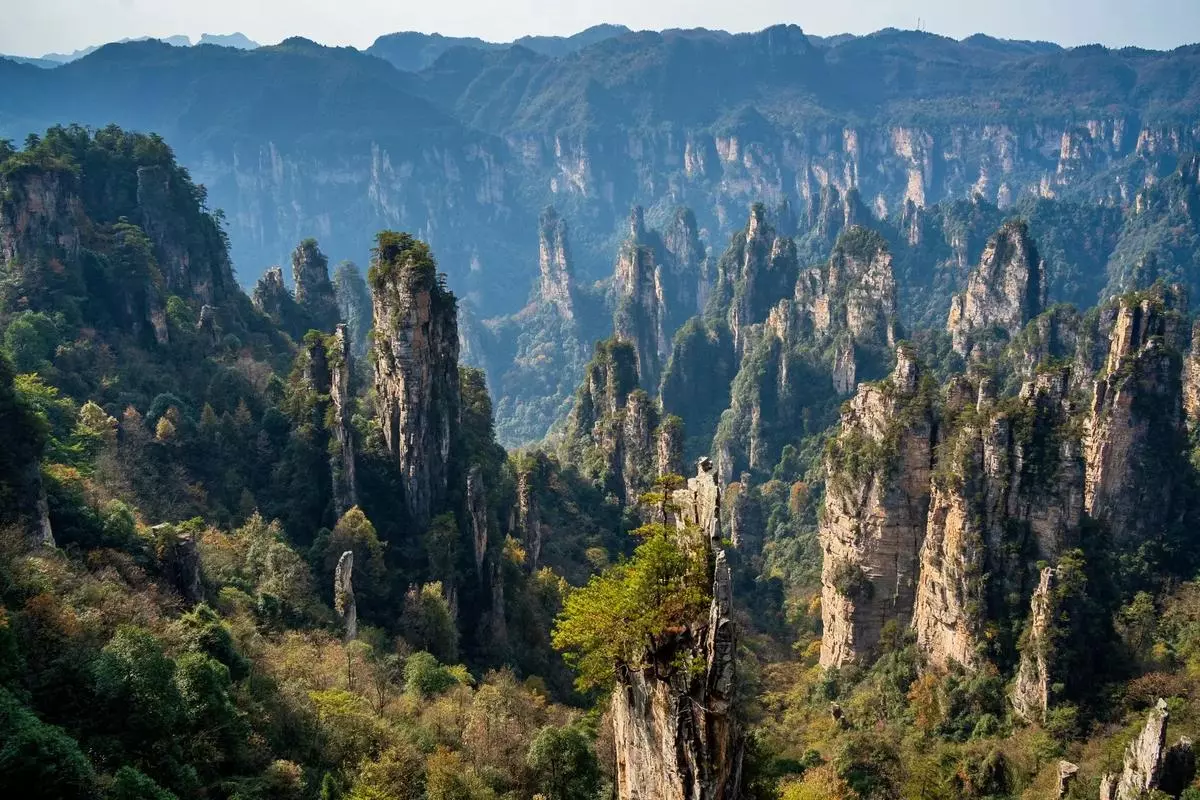
Read about Zhangjiajie in winter and you meet two opposite stories. Tour operators call it the quietest, cheapest, most magical season. Travelers on Reddit and Tripadvisor warn about freezing rain, closed cableways, and fog so thick you cannot see a single sandstone pillar. Both stories are true — they just describe different weeks of winter. We plan Zhangjiajie trips from inside the city all year, and the honest version is this: winter here is a good decision for travelers who pick the right stretch of it and build one day of flexibility into the plan. It is a poor decision for travelers who book a tight two-day visit in late January and hope for luck.
The brochures skip the useful half of the decision: which winter month behaves how, what actually gets cheaper (less than you think), how often it snows, what closes when ice arrives, and how a plan survives a fog day — so that is the half you will find here. If you are still comparing seasons across the whole year, our guide to the best time to visit Zhangjiajie covers spring and autumn too; for month-by-month climate numbers, see the Zhangjiajie weather guide.
Is Zhangjiajie Worth Visiting in Winter?
Yes — with two conditions. First, aim for November to mid-December rather than late January to February. Second, give the mountain days room to move: keep at least one day in your plan that can swap with another if fog or ice closes a route. Do both and winter gives you the emptiest trails of the year, hotel rates at their annual low, and a real chance of seeing the pillars dusted with snow. Skip both and you are gambling a long-haul trip on the weather of the coldest fortnight.
The reasoning is simple once you separate the two winter risks. Cold is not the problem — daytime temperatures in the valleys usually sit between about 5°C and 10°C, which is jacket weather, not Harbin. The real risks are visibility and icing. Deep winter brings more freezing-rain days, and freezing rain is what closes cableways and glass walkways. November and early December carry much less of that risk while still giving you the low-season quiet. In our own planning work, the difference shows up clearly: the winter trips that go wrong are almost always late-January and February trips with no slack in the schedule.
One more honest note, because our clients ask it directly: you cannot book a snow view. Snow falls on a handful of days each winter, and nobody can promise your dates will catch one. What you can book is a plan that turns a snow day into a highlight instead of a shutdown — more on that below.
November vs December vs January: How Each Month Behaves
November is late autumn shading into winter. Daytimes are mild, the summer and Golden Week crowds are long gone, and the risk of ice is low. If your dates are flexible, this is the month we recommend first — you get low-season pricing with autumn-grade reliability. Several of our current inquiries for this season — a couple from the Maldives, a Saudi pair, a family with two small children — all landed in November for exactly this reason.
December splits in two. Early December usually behaves like November with colder mornings. From mid-December, night temperatures start crossing zero on the mountain tops, and the first icing events of the season become possible. Trips in December work well; they simply need the flexible-day structure more than November trips do.
January is the coldest month, with valley lows around freezing and mountain-top temperatures below it. It is also the month with the best snow odds outside February — and the month where closure risk starts to bite. If January is your only window (school holidays put several of our Malaysian clients here), go in with the 4-day ticket strategy below and a plan B for each mountain day.
Whichever month you choose, pack for the gap between valley and summit: the tops of Tianzi Mountain and Yuanjiajie run several degrees colder than Zhangjiajie city, and wind on exposed platforms makes it feel colder still.
What Actually Gets Cheaper in Winter — and What Doesn’t
Here is the detail most winter guides get wrong: the park entry ticket does not get cheaper. Under the pricing policy in force since January 1, 2026, Zhangjiajie National Forest Park charges the same rate all year — ¥236 for the joint ticket with in-park eco buses, valid 4 consecutive days (checked August 22, 2026). The full breakdown is in our 2026 ticket price and opening hours guide.
What does drop is everything around the ticket. Hotels are the big one: winter is the bottom of the annual rate curve, and the same 4-star room that strains a budget in August books at its cheapest between November and March. Flights and high-speed rail seats from Malaysia and Singapore follow a similar pattern outside the holiday peaks. In our own quotations, November-to-March dates consistently price lower than any other window for the identical itinerary — the saving comes from accommodation and transport, not from the gates.
So when a winter package looks cheap, that is real — but read it knowing the tickets inside it cost the operator the same as in July. The discount lives in the hotel line.
Snow: How Often It Happens and How to Catch It
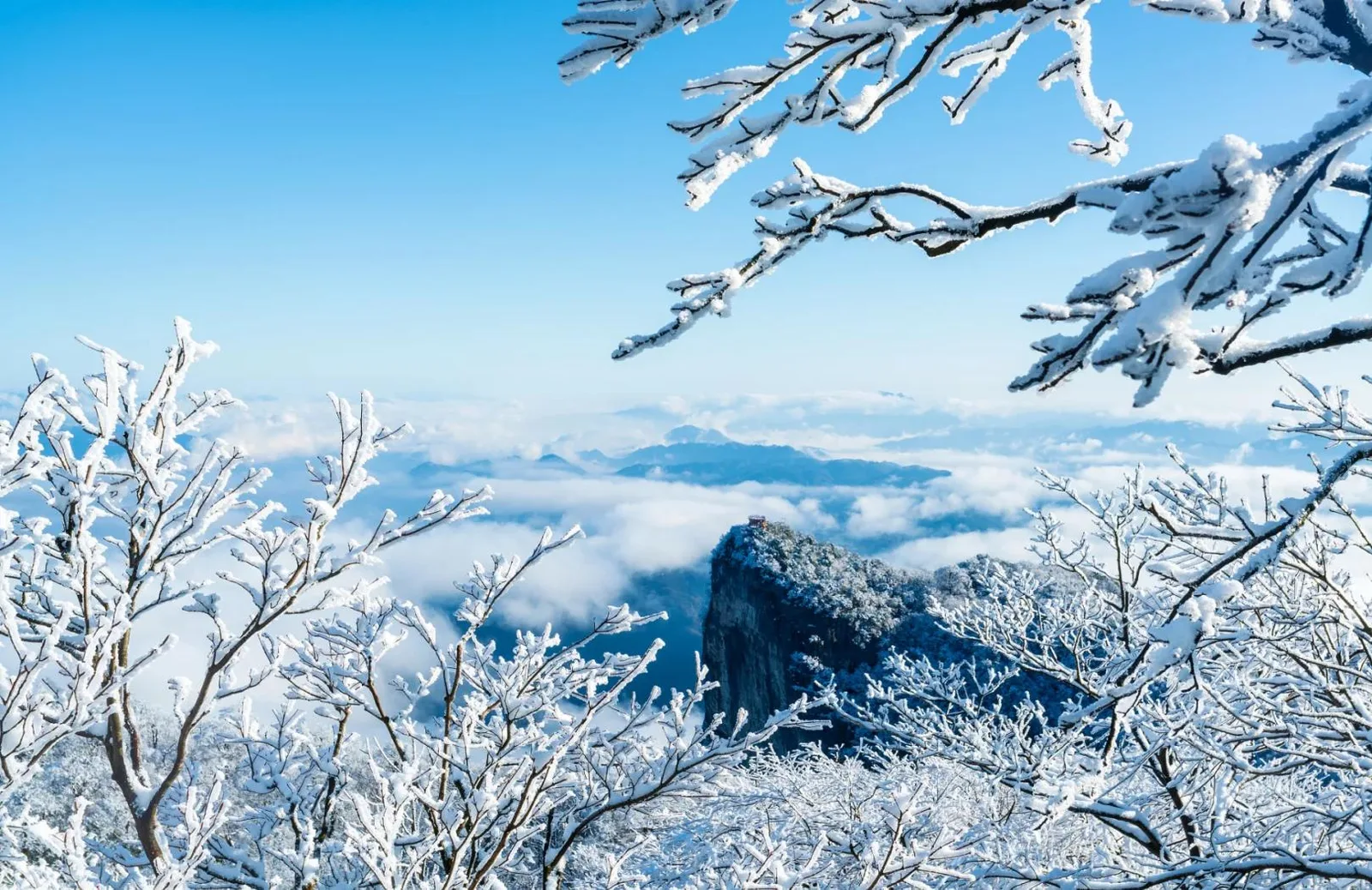
Zhangjiajie is not a snow-sure destination. Most winters bring only a handful of snowfall days across the whole season, concentrated from late December to February. That scarcity is exactly why a snow morning here is special: the sandstone pillars hold the white like frosting, the crowds are thinner than any other photogenic moment of the year, and the forest goes quiet.
Practical implications. If snow is your main goal, January and February give the best odds — accept the closure risk that comes with them. If snow would be a bonus rather than the point, take November or early December and treat any flurry as a gift. Either way, the move that matters is speed: snow on the peaks often melts or is cleared within a day or two, so when it falls, rearrange that day to go up the mountain immediately. This is where the 4-day ticket earns its keep — you can walk in on a grey day, and walk in again on the white one, on the same ticket.
Closures and Icing: The Real Winter Risk
When freezing rain or heavy snow hits, the scenic areas respond by suspending exposed facilities. Cableways pause, glass walkways close, and mountain roads shut until crews clear the ice. Tianmen Mountain publishes this kind of arrangement explicitly: under the routing plan announced in November 2025, severe weather — ice and snow, heavy fog, or storms — temporarily switches the A and B sightseeing lines to the C line, the Tianmenshan fast-line cableway round trip, as reported by Hunan Daily’s Xinhunan news service. Line arrangements change as the cableway upgrade progresses, so treat the specifics as a pattern, not a promise: announcements go out day by day, and the only reliable source is the scenic area’s official channel on the morning you travel.
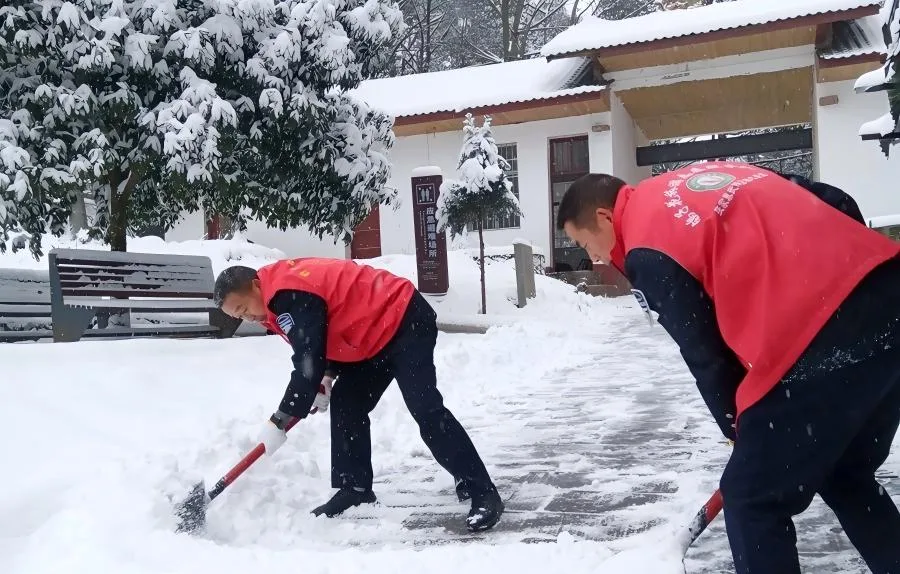
You cannot control this. You can control how much it costs you:
- Order your days by weather, not by habit. Save the high, exposed routes — Yuanjiajie, Tianzi Mountain, Tianmen Mountain — for the clearest forecast day in your window. Put Huanglong Cave (underground, weather-proof), the Grand Canyon lower trails, or the transfer day to Fenghuang on the grey days.
- Use the 4-day validity as insurance. The forest park ticket lets you re-enter across 4 consecutive days, so a fog morning does not burn your only chance at the viewpoints.
- Keep one evening decision open. Fog that ruins a summit often leaves the valley and old-town streets untouched.
A note on fog, because it is the question behind many winter complaints: winter mist is common, and it cuts both ways. Thin, moving mist below the peaks is the classic ink-painting view — arguably better than a clear day. A fixed white-out is a lost summit. You cannot tell which you will get from a forecast icon, which is again why the flexible day order matters more than any packing choice.
What to Wear and How the Short Days Change Your Schedule
Layering beats one heavy coat: a thermal base, a warm mid-layer, and a windproof shell handle the valley-to-summit range, with a hat and gloves for the platforms. Shoes need real grip — paths stay damp in winter shade, and after cold nights the boardwalk sections can be slick. Local shops sell strap-on shoe spikes cheaply in icy spells; for most November and December trips you will not need them.
The clock matters as much as the clothing. Sunset in December comes around 17:40, and the park gates run 7:30–17:00, so winter days compress: start early, take the main route in the morning, and plan dinner earlier than you would in summer. For Muslim travelers this compression has an upside — Maghrib arrives before dinner time, so the prayer-then-dinner sequence fits the natural rhythm of a winter day instead of interrupting an afternoon route. Zhangjiajie has no public mosque, so prayers are planned around the hotel, the vehicle, and quiet rest points along the route — the same approach we use all year, just on an earlier clock. Halal restaurants in the city and Wulingyuan operate through winter on their normal hours; our Zhangjiajie halal food guide lists the verified options by area.
Winter Evenings: What Runs and What Pauses
Two night attractions matter here, and they behave differently in winter. The Tianmen Fox Fairy outdoor show normally runs from around March to December — which means a deep-winter trip in January or February will usually miss it. The 72 Wonder Tower night street in Zhangjiajie’s downtown (Yongding District) runs year-round as a lights-and-street-performance area rather than a seated show; on cold nights it is a shorter stroll, but it still fills the evening slot. Timing details for both are in our 72 Wonder Tower guide.
If your route continues to Fenghuang Ancient Town, winter evenings there hold up well: the riverside lights work in the cold, the alleys are the emptiest they ever get, and hotels along the Tuo River drop with the season. The comparison between Fenghuang and Furong Town stays the same in winter, with one adjustment: check Furong’s waterfall flow expectations against the season before you promise the family a thundering cascade.
A Realistic 4-Day Winter Plan
This is the skeleton we actually quote for winter dates, built to bend around weather:
| Day | Plan A (clear) | Swap if grey or icy |
|---|---|---|
| 1 | Arrive, easy afternoon, 72 Wonder Tower evening | Same — arrival day is weather-proof |
| 2 | Forest park: Yuanjiajie + Tianzi Mountain | Huanglong Cave + Baofeng Lake |
| 3 | Tianmen Mountain morning | Grand Canyon lower routes, or bring Day 2’s park plan here |
| 4 | Spare summit window / depart, or transfer to Fenghuang | Fenghuang transfer works in any weather |
The order is not sacred — that is the point. Day 2 and Day 3 trade places freely because the 4-day ticket and the day-by-day announcements let them. When we run this plan for clients, the driver checks the morning notices, the guide re-sequences before breakfast, and the halal meal plan moves with the route — restaurants are re-booked in town, and packed halal food covers the hours inside the park.
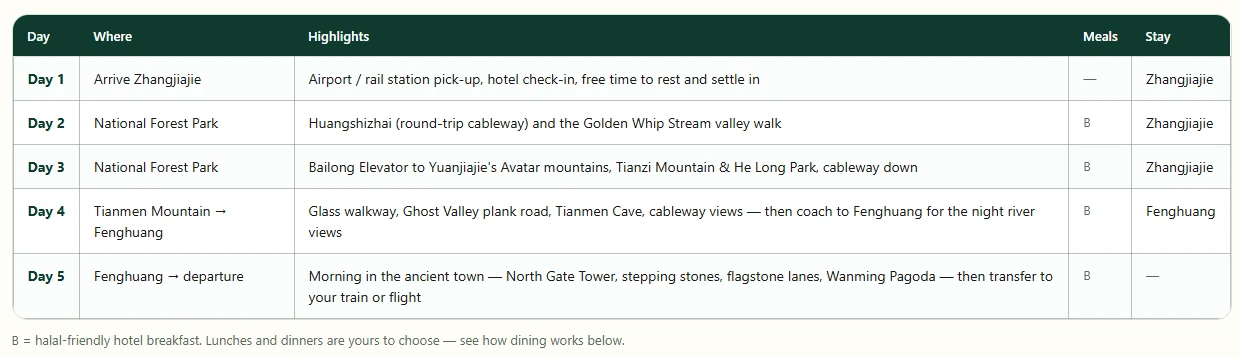
If you want this trip priced for your winter dates, our Zhangjiajie and Fenghuang 5-day itinerary shows the full route structure and group pricing — November to March dates are the cheapest we quote all year for it. Or send us your dates and group size and we will tell you honestly whether your window looks like a November trip or a February gamble.
FAQ
Is Zhangjiajie worth visiting in winter?
Yes, if you travel between November and mid-December, or accept weather risk in exchange for snow odds in January. The trails are at their quietest, hotels at their cheapest, and the 4-day park ticket lets you re-order days around fog. A tight schedule in late January or February is the one version we advise against.
How cold is Zhangjiajie in December?
Valley daytime temperatures usually sit around 5–10°C, with nights near or just above freezing; mountain tops run several degrees colder. Early December is milder than late December. Dress in layers rather than one heavy coat.
Is Zhangjiajie foggy in winter?
Fog and mist are common. Moving mist below the peaks improves the view; a fixed white-out hides it. Because you cannot predict which you will get, keep the summit days swappable rather than fixed.
How often does it snow in Zhangjiajie?
Only a handful of days each winter, mostly from late December to February. Snow is a realistic hope, not a bookable feature. When it falls, go up the mountain the same morning — it rarely lasts.
What should I wear in Zhangjiajie in December?
Thermal base layer, warm mid-layer, windproof jacket, hat and gloves for the mountain platforms, and shoes with strong grip. Add strap-on spikes only if an icing spell is forecast.
Which winter month should I avoid?
Late January to February carries the most freezing-rain and closure risk, and the Fox Fairy show is normally off-season then. If that is your only window, build the flexible 4-day structure above rather than a fixed 2-day dash.