Last Updated on October 6, 2026 by Aaron Chen
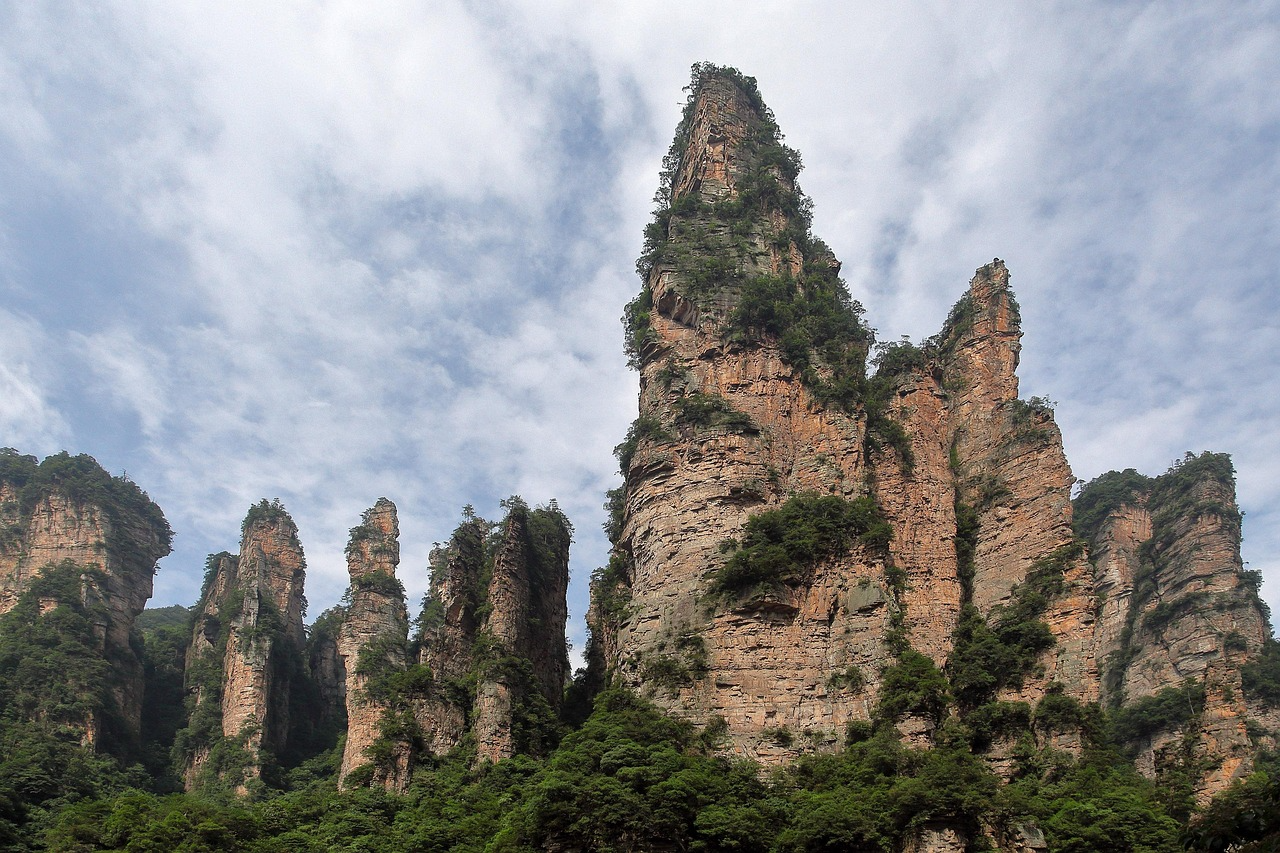
Wulingyuan is the small town at the eastern entrance of Zhangjiajie National Forest Park — and for most visitors, it is the practical base for the entire park trip. Your hotel is a short walk or drive from the Wujiayu Gate, the park’s most popular entry point, and the decisions you make about Wulingyuan — where exactly to sleep, where to eat, and which gate to enter from — shape every day you spend inside the mountains.
Below is the practical information about the town itself: what is here, what is not, and how to use it as your base camp. For the scenic routes inside the park, see the national forest park guide. For the full accommodation comparison between Wulingyuan and the city, see where to stay in Zhangjiajie.
What Wulingyuan Is (And What It Is Not)
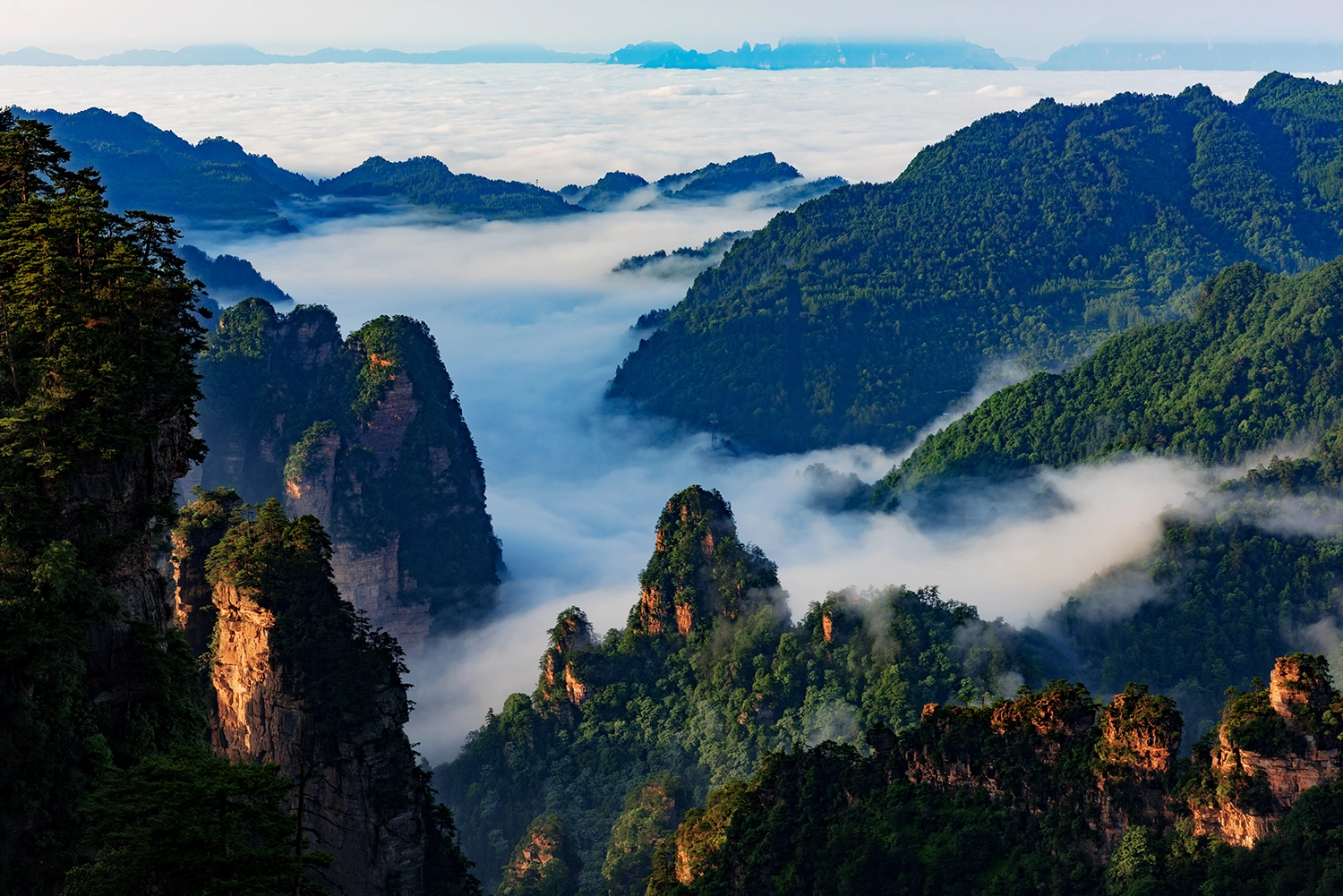
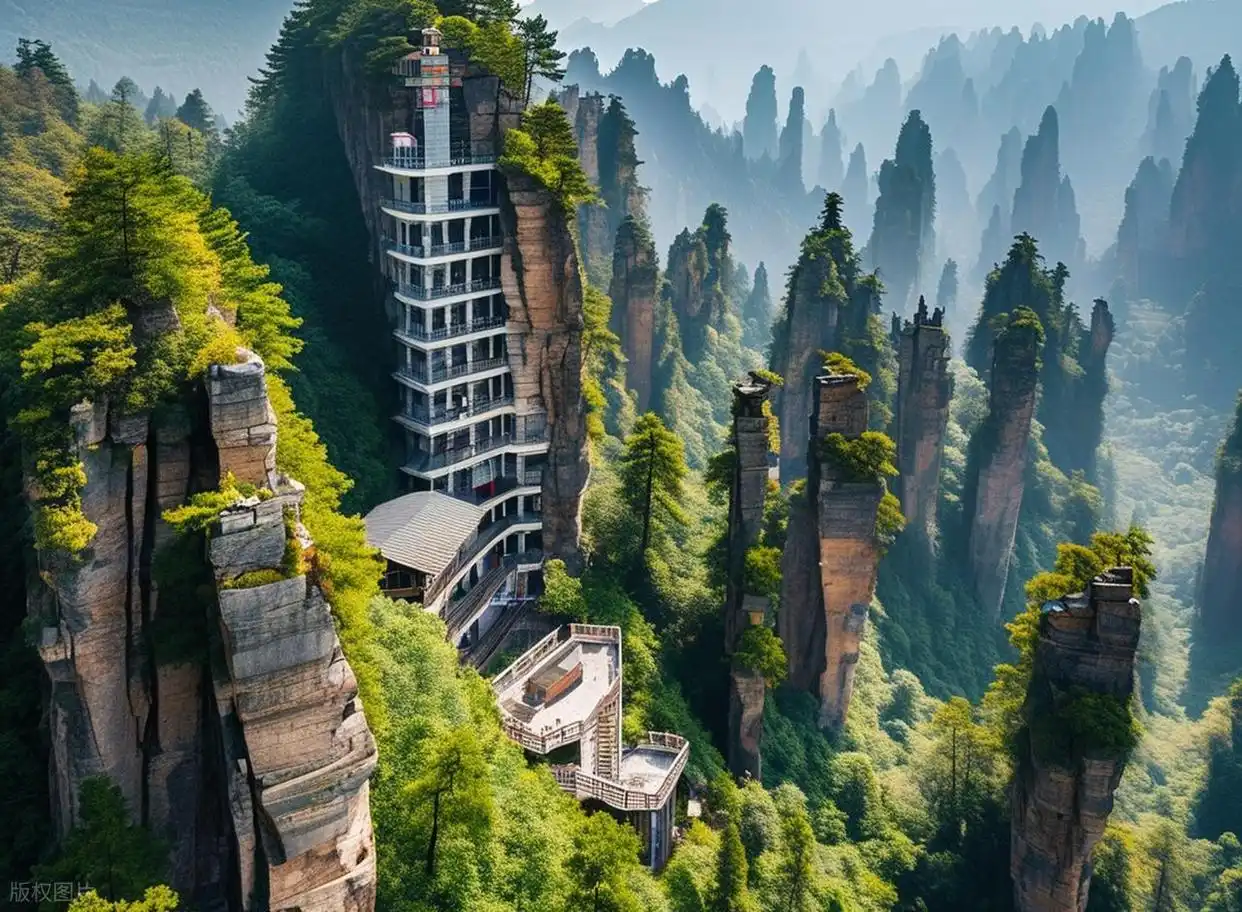
Wulingyuan is both a district of Zhangjiajie City and a small town that exists almost entirely because of the national park. The Wulingyuan Scenic and Historic Interest Area became a UNESCO World Heritage Site in 1992, and the scenic area now includes the national forest park, Suoxi Valley, Tianzi Mountain and Yangjiajie. The town grew around its eastern boundary as the park’s hotel and service base.
Two clarifications save confusion. First, Wulingyuan is not the park itself — the park is inside the scenic area, and you enter through ticket gates. Second, Zhangjiajie city center (Yongding District) is about an hour’s drive away and is a separate accommodation option with its own advantages — which base suits which traveler depends on your itinerary. If your main goal is the forest park and its pillar forests, Wulingyuan is the closer and more practical base.
Which Gate to Enter From
The park has five ticket gates (checked September 2026):
- Wujiayu Gate (East) — the most popular, and the one within reach of Wulingyuan town hotels. Most first-time visitors enter here.
- Forest Park Gate (South) — the original entrance at the bottom of Golden Whip Stream. Closer if you are coming from Zhangjiajie city without staying in Wulingyuan.
- Yangjiajie Gate (West), Tianzishan Gate (North) and Zimugang Gate (Central) — used by repeat visitors or specific route plans; less convenient for first-timers.
Which gate you choose affects your day. From Wulingyuan, the Wujiayu Gate is the natural start: you can walk from most hotels or take a few-minute shuttle, enter at opening (7:30), and reach Yuanjiajie or the Bailong Elevator area in the first hour — before the tour-bus crowds arrive from the city. This early start is one of the real advantages of sleeping in Wulingyuan rather than the city center.
All gates share the same ticket: the joint ticket costs ¥236 (includes in-park eco buses, valid 4 consecutive days, as of September 2026). A separate single entry ticket without eco bus is ¥165. Entry requires a passport and face recognition — carry your original document, not a copy. Full ticket details, student and senior discounts, and the booking process are in our 2026 ticket policy guide.
Where to Stay in Wulingyuan
The practical hotel zone runs along a few streets near the Wujiayu Gate. Hotels here range from budget guesthouses to mid-range chains; there is no five-star resort area. The upside is location: you are a few minutes from the gate, close to the town’s small restaurant strip, and positioned for an early park entry. The downside is that Wulingyuan is a small service town, not a city — evening options are limited to a handful of restaurants, convenience stores and the hotel itself.
For a full comparison of hotel areas — Wulingyuan versus Zhangjiajie city, which part of town, and what to look for — see our where to stay guide. The short version: stay in Wulingyuan if the forest park is your main priority; stay in the city if Tianmen Mountain and evening activities (like the 72 Wonder Tower) are higher on your list.
Halal Food in Wulingyuan
This is the section that matters most for Muslim travelers, and the honest answer is that Wulingyuan is not easy for halal dining. The town has some Muslim-run noodle shops — Lanzhou beef-noodle places with the green qingzhen sign — but they are small, sometimes seasonal, and we cannot guarantee which ones will be open on your dates. Our verified halal restaurants in the Zhangjiajie area are mostly in the city center, about an hour’s drive away; the full list with addresses and current checks is in the halal food in Zhangjiajie guide.
The working strategy for a Wulingyuan-based park trip:
- Breakfast: eat at your hotel (most serve a basic spread — eggs, bread, fruit, congee; halal-strict travelers should confirm with the hotel in advance or bring their own) or at a nearby noodle shop if one is open.
- Lunch inside the park: there is no halal food inside the forest park. Carry backup food — bread, nuts, dates, fruit, biscuits, bottled water — and eat it on the trail or at a rest area.
- Dinner: the most reliable option in town; if the local qingzhen noodle shop is open, it covers the evening. When it is not, the hotel or packed food from the city is the fallback.
On trips we plan, we check which Wulingyuan restaurants are currently operating before the group arrives, and arrange packed halal lunches for park days when needed. This planning step is the difference between a comfortable day and a hungry one.
Prayer in Wulingyuan
Zhangjiajie, including the Wulingyuan area, has no mosque open to visitors. This is a structural fact, not an oversight — the nearest mosques are in other cities. Prayer for Muslim travelers here is planned around the hotel room, the private vehicle, or a quiet rest spot along the route:
- Fajr and Isha: at the hotel — straightforward.
- Dhuhr and Asr: on park days, these fall during the long hours inside the scenic area. A quiet clearing, a rest bench away from the main path, or the vehicle at a drop-off point all work. Carry a small prayer mat and a Qibla app.
- Maghrib: timing depends on the season. In summer, Maghrib falls after you are usually back from the park; in winter, it comes earlier and may need to be planned mid-route.
The key is deciding prayer timing before the day starts, not improvising in the park when the call arrives. On our itineraries, the guide adjusts the day’s route to build in a prayer window at the right time, usually around the lunch break or a scenic rest stop — the same approach we describe in our Zhangjiajie Muslim travel guide.
Getting to Wulingyuan
- From Zhangjiajie Hehua Airport: about 40–50 minutes by car. There is no direct public bus from the airport to Wulingyuan — a private transfer or taxi is the practical option.
- From Zhangjiajie West Railway Station (where most high-speed trains arrive): about 40–50 minutes to Wulingyuan by car. Some hotels offer shuttle services; otherwise arrange a transfer or taxi.
- From Zhangjiajie city center (Yongding District): about 45–60 minutes by car, depending on traffic. Public buses run the route but take longer and are not comfortable with luggage or children.
If your plan includes both Wulingyuan and the city (which most 3–5 day trips do), the transfer between the two is the one logistical step worth getting right. A private car handles luggage, stops for meals, and absorbs the hour without stress; a public bus with suitcases and a tired family is a different experience. On trips we manage, the transfer and the halal meal stop en route are coordinated together — it is one of the things that works better planned than improvised.
How Many Days in Wulingyuan
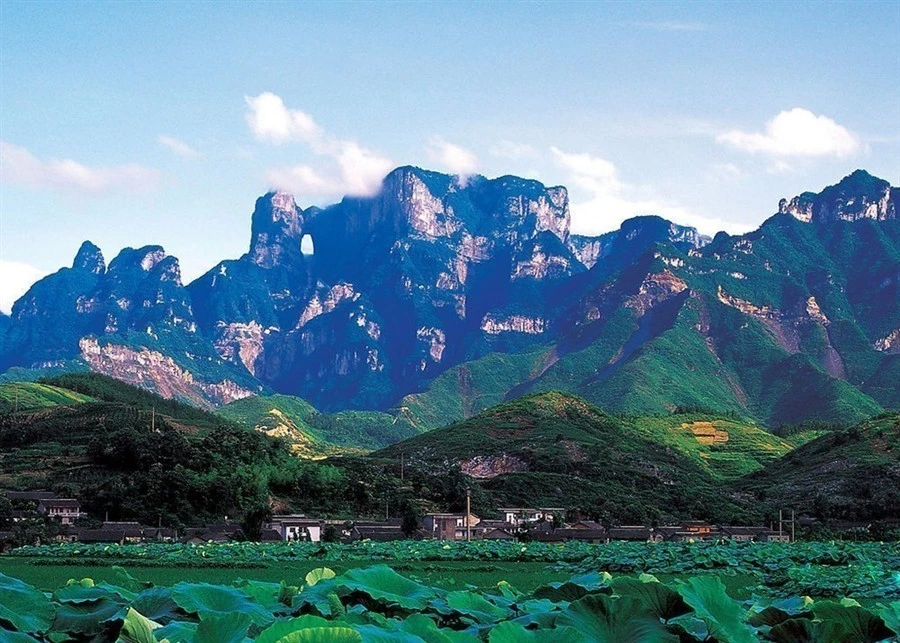
Most travelers need 2 nights in Wulingyuan for the forest park — one full day for the main route (Yuanjiajie, Tianzi Mountain, Bailong Elevator area) and parts of a second day for anything remaining or for nearby attractions like Baofeng Lake or Huanglong Cave. The 4-day ticket validity gives you insurance if weather or energy forces a change, but 2 full park days typically cover the highlights.
A longer stay — 3 nights — makes sense for families with elderly parents or small children who want a slower pace, or travelers who want to add the Grand Canyon Glass Bridge without rushing.
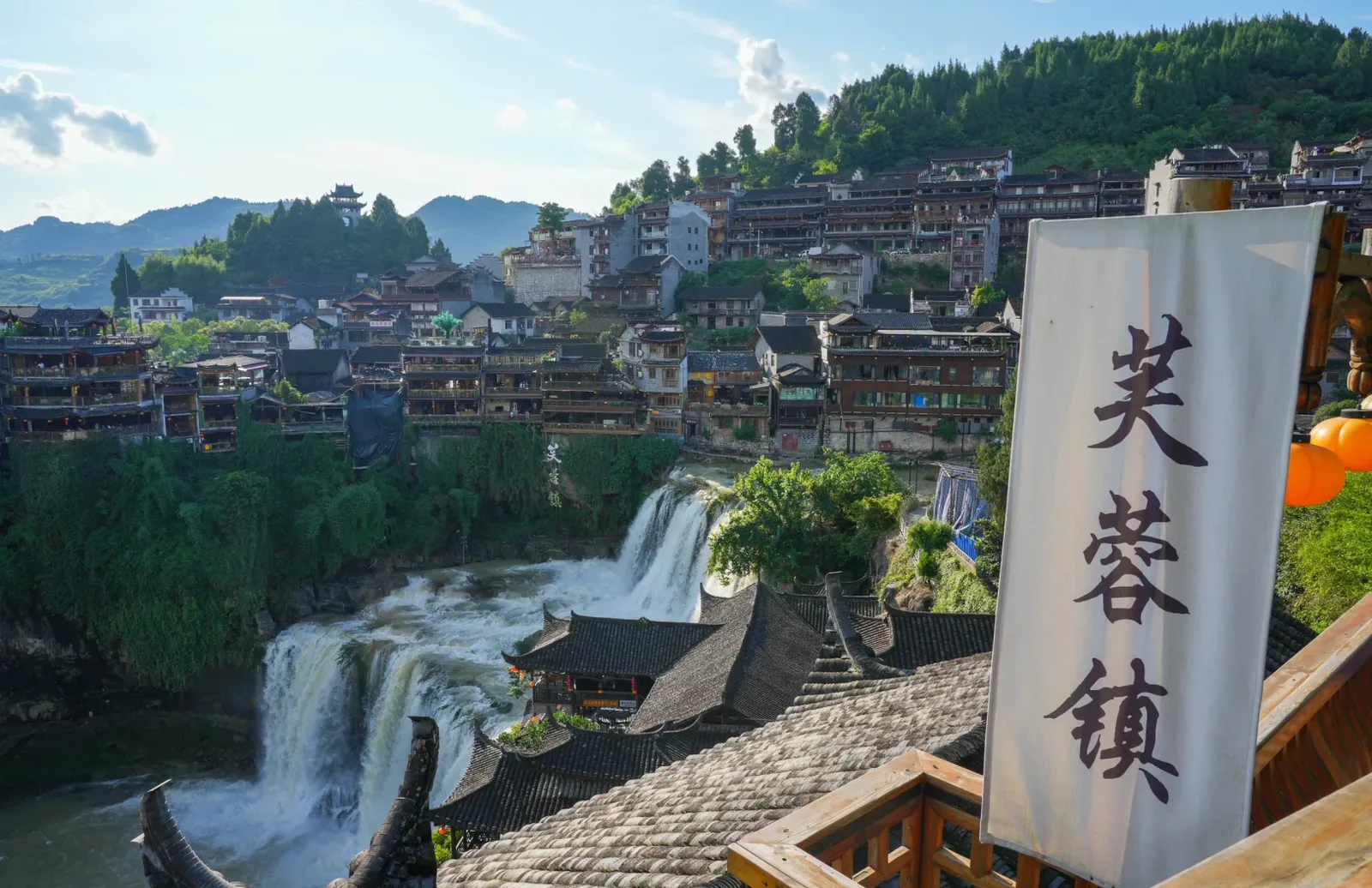
For the full “how many days does Zhangjiajie need” question including Tianmen Mountain, evening activities and the journey to Fenghuang or Furong, see our how many days guide.
Need help planning your days around Wulingyuan?
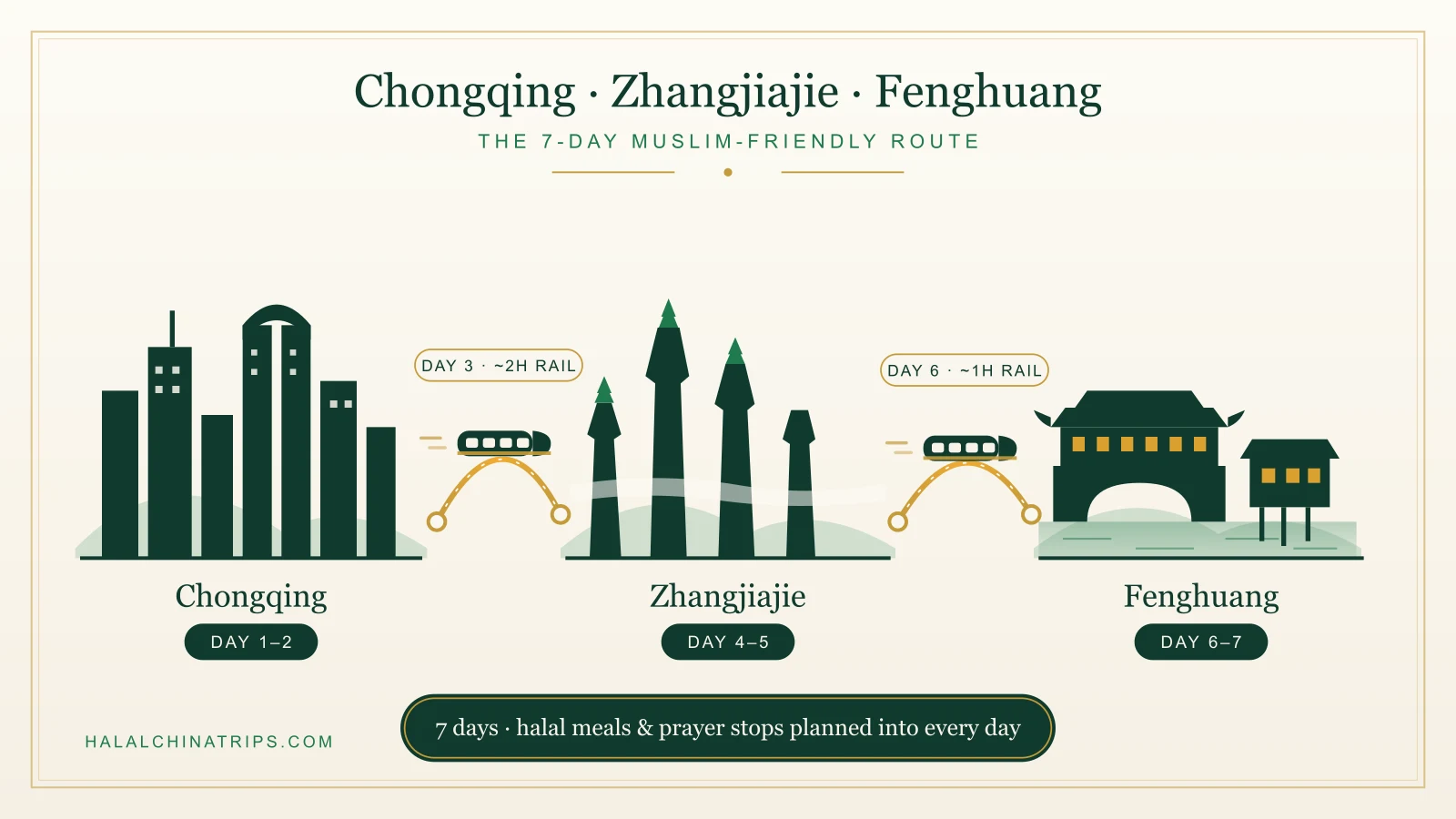
Our 5-day Zhangjiajie & Fenghuang private tour (from USD 348 per person) covers the forest park, Tianmen Mountain and Fenghuang, with verified halal restaurants and prayer-friendly pacing on every day. Every quote is itemized line by line, so you see exactly what is included before you commit.
See the full 5-day itinerary → or send us your dates and group size — we reply within 24 hours.
FAQ
Is Wulingyuan the same as Zhangjiajie National Forest Park?
No. Wulingyuan is the town and district at the park’s eastern boundary. The national forest park is inside the wider Wulingyuan scenic area, and you enter it through ticket gates. Most travelers stay in Wulingyuan town to be close to the Wujiayu Gate.
Which gate should I use from Wulingyuan?
Wujiayu Gate (East) — it is the closest to Wulingyuan town hotels and the most popular entry point for first-time visitors. Enter at the 7:30 opening to get ahead of the tour buses.
Is there halal food in Wulingyuan?
Limited. The town has some Muslim-run noodle shops, but they are small and sometimes seasonal. There is no halal food inside the park itself. The reliable strategy is a hotel breakfast, carried snacks for the park, and checking which town restaurants are open before you arrive. The Zhangjiajie halal food guide has the full list.
Is there a mosque in Wulingyuan?
No. Zhangjiajie, including Wulingyuan, has no mosque open to visitors. Prayers are planned around the hotel, the vehicle or quiet spots along the route.
Should I stay in Wulingyuan or Zhangjiajie city?
Wulingyuan if the forest park is your main priority — you save an hour each way and can enter the gates early. Zhangjiajie city if Tianmen Mountain, the 72 Wonder Tower, or more dining options matter more. Many 3–5 day trips use both.
How do I get from Zhangjiajie city to Wulingyuan?
About 45–60 minutes by car or taxi. Public buses run the route but take longer. A private transfer handles luggage and can include a halal meal stop on the way.