Last Updated on October 5, 2026 by Aaron Chen
Chongqing keeps showing up on Muslim travelers’ shortlists — the stacked skyline, the river lights, the trains running through buildings. Our team plans trips there regularly, and our honest answer is: Chongqing works well for Muslim travelers, more comfortably than most first-timers expect — on one condition. Almost everything halal in this enormous city sits in one small downtown pocket, around Zhongxing Road at Jiaochangkou, while the sights are scattered across hills and two rivers. Choose your hotel and shape your days around that single fact, and eating, praying and sightseeing all fall into place. Ignore it, and every dinner becomes a river crossing.
(Still weighing up China as a whole? Start with halal travel in China.) Here is how we assess Chongqing on the questions that decide a trip: food, where to sleep, prayer, family comfort, and how it fits a longer route.
Is It Easy to Get Halal Food in Chongqing?
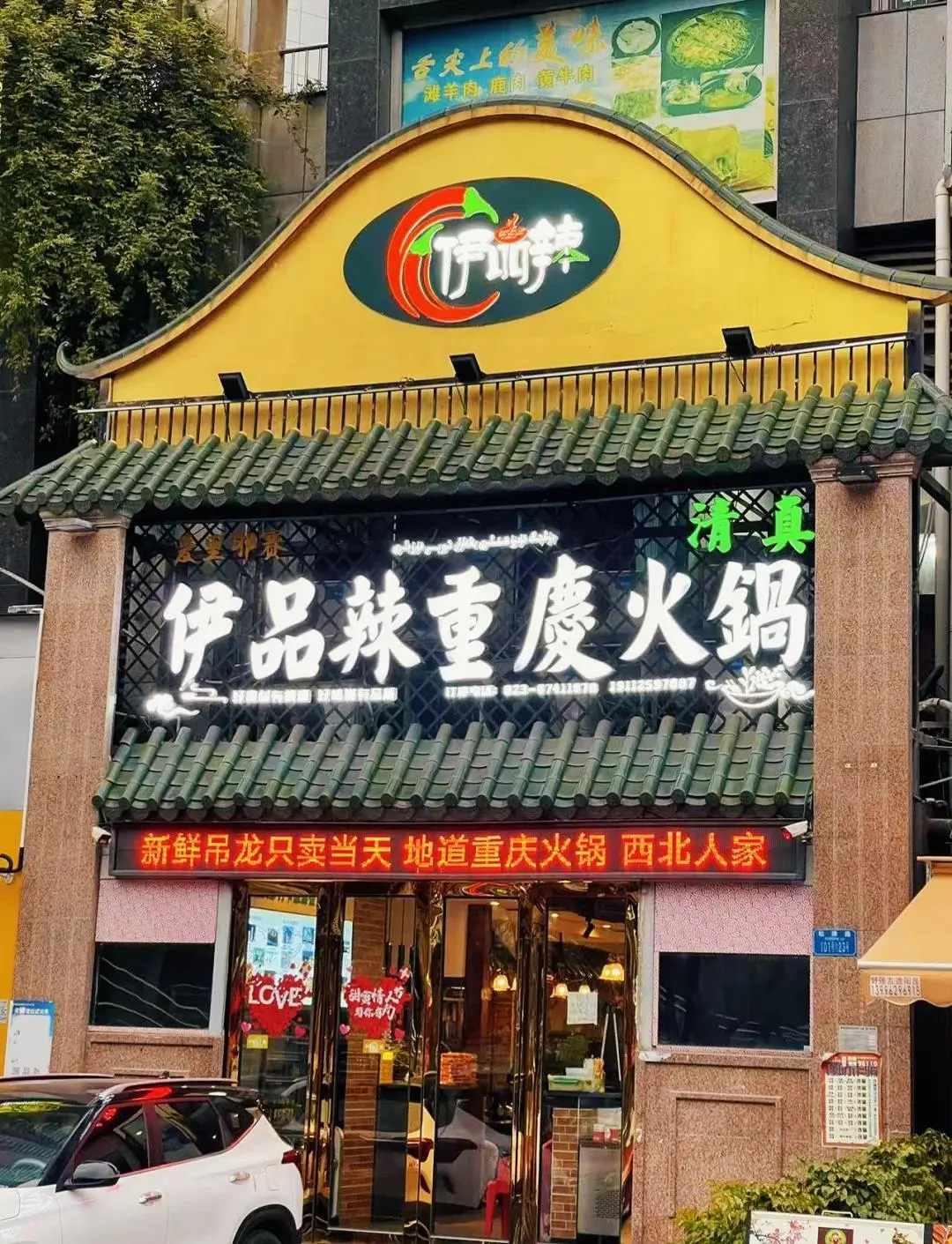
Easier than in most Chinese cities outside the northwest — because of concentration, not coverage. Chongqing has a long-established Hui Muslim community, and its halal restaurants cluster within a few hundred meters of one address: the Muslim Building at No. 5 Zhongxing Road, at Jiaochangkou in Yuzhong District. Hotpot houses, xiaomian noodle shops, grilled fish, snacks — one compact street area covers a whole trip’s worth of meals. Our full guide to halal food in Chongqing walks through the individual restaurants.
The question every traveler asks next: can you eat Chongqing hotpot, the thing the city is famous for? You can, and this is worth being precise about, because there are two very different situations that both get called “halal hotpot” in China. One is a regular restaurant offering to leave the pork out of your order — that is not halal, and no sauce-counter improvisation makes it so. The other is what Jiaochangkou has: dedicated halal hotpot houses running fully halal kitchens, with halal beef and lamb and the same numbing-spicy broth everyone else queues for. The distinction matters more than any restaurant list, and it is the first thing we check when a client asks about “halal versions” of any famous dish anywhere in China.
How do you know a restaurant is genuinely halal, if you read no Chinese? Two practical markers: the green qingzhen (清真) sign on the shopfront, and Hui Muslim family ownership — the Jiaochangkou places exist to serve the local Muslim community, not tourists. And because restaurants in China close or change hands with little notice, our own rule is that a sign is the start, not the end: we treat certification as the baseline, phone-verify every restaurant on a client’s route before the trip, and re-confirm close to travel dates.
The flip side of concentration: outside that pocket, halal options thin out fast. Tourist zones like Hongyadong are for views, not meals. The workable rhythm — and the one we build into every Chongqing itinerary — is to route through Jiaochangkou for at least one proper meal a day and treat everything else as sightseeing territory.
Which Area Should You Stay In?
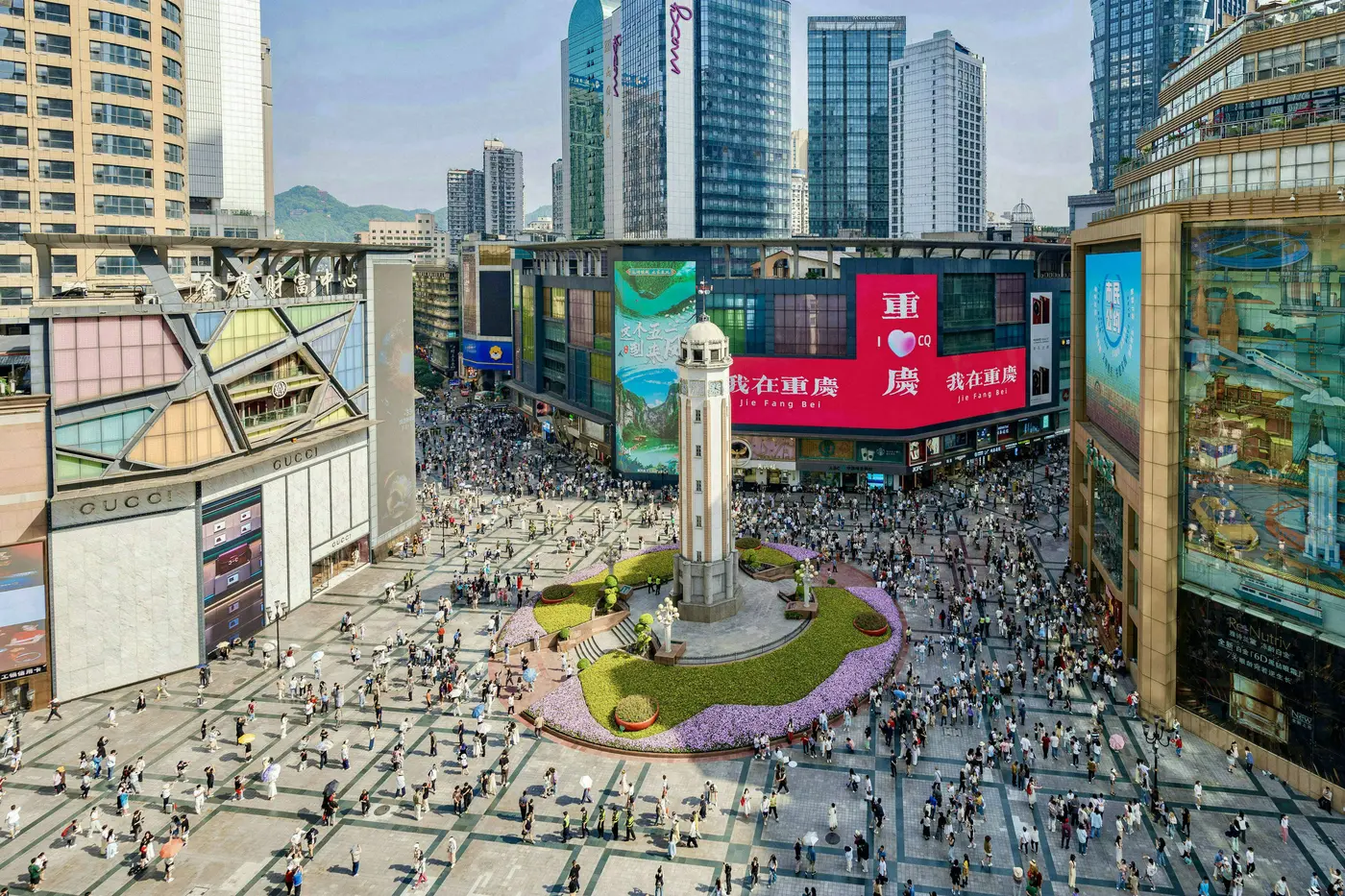
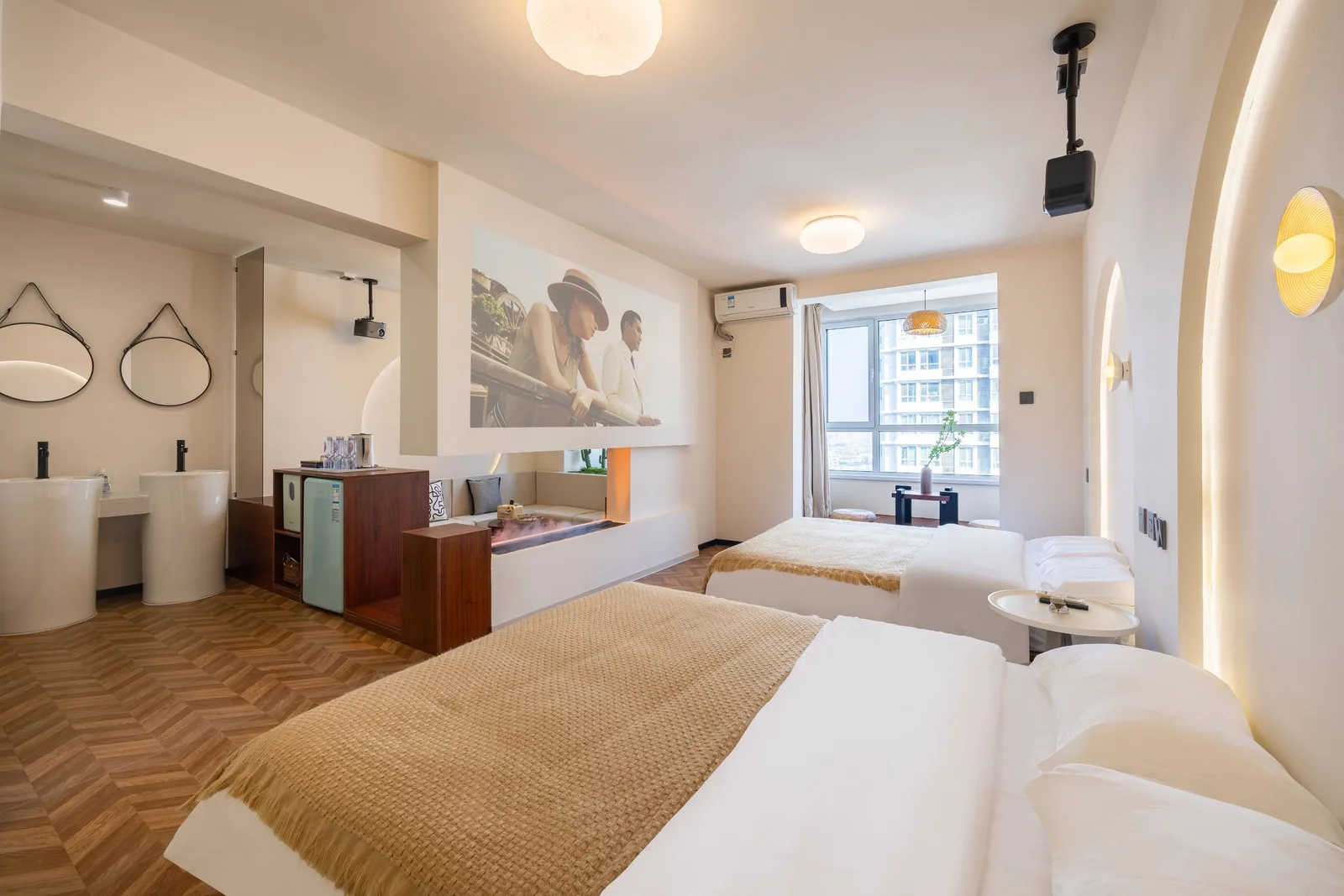
Jiefangbei / Jiaochangkou, in Yuzhong District. This is the decision that makes or breaks a Muslim traveler’s Chongqing trip, so it gets its own explanation.
Jiaochangkou sits at the southern edge of the Jiefangbei pedestrian zone — a 10–15 minute walk from the monument, with a metro station where Lines 1 and 2 cross. Book a hotel in this pocket and three things happen at once: halal dinner is a walk rather than a taxi ride, Jiefangbei and Hongyadong are on foot, and the metro puts Ciqikou and the railway stations within direct reach.
The other areas general guides recommend — Guanyinqiao and the Nanbin Road riverside — both sit across a river from the halal cluster, which turns every dinner into a 30–45 minute crossing each way, depending on traffic, at exactly the tired end of the day. A river-view hotel is a fine last-night luxury, not a base. The full comparison is in where to stay in Chongqing as a Muslim traveler.
One thing the area logic does not solve on its own: breakfast. Do not count on a hotel buffet working for you — the pattern we actually plan is to make breakfast the day’s first Jiaochangkou stop (a bowl of Chongqing xiaomian is how this neighborhood starts its morning), and when we book hotels for clients we raise the dietary side with the hotel directly, so a family with young children knows before arrival what the morning looks like.
What About Prayer?
Chongqing has several mosques open to visiting worshippers, in different districts. The approach we use when planning is to match the mosque to the day’s route rather than build the day around one address — and if your trip includes a Friday, to confirm before departure where Jumu’ah fits that day’s plan. For daily prayers, most travelers pray at the hotel, and the day’s schedule should simply leave room for it: prayer windows are part of how an itinerary gets built, not something squeezed in afterward.
One honest limit to set expectations by: do not expect prayer rooms at scenic areas or city attractions in Chongqing. That is normal for China outside the northwest, and it is manageable — a quiet corner, the hotel between outings, the car on a transfer day — but it works far better when it is planned. This is also why we ask clients to tell us their prayer requirements before the trip: our team briefs the guide and driver in advance, because “the company understands” only helps you if the person driving the car that day understands too.
Is Chongqing Comfortable for Muslim Families?
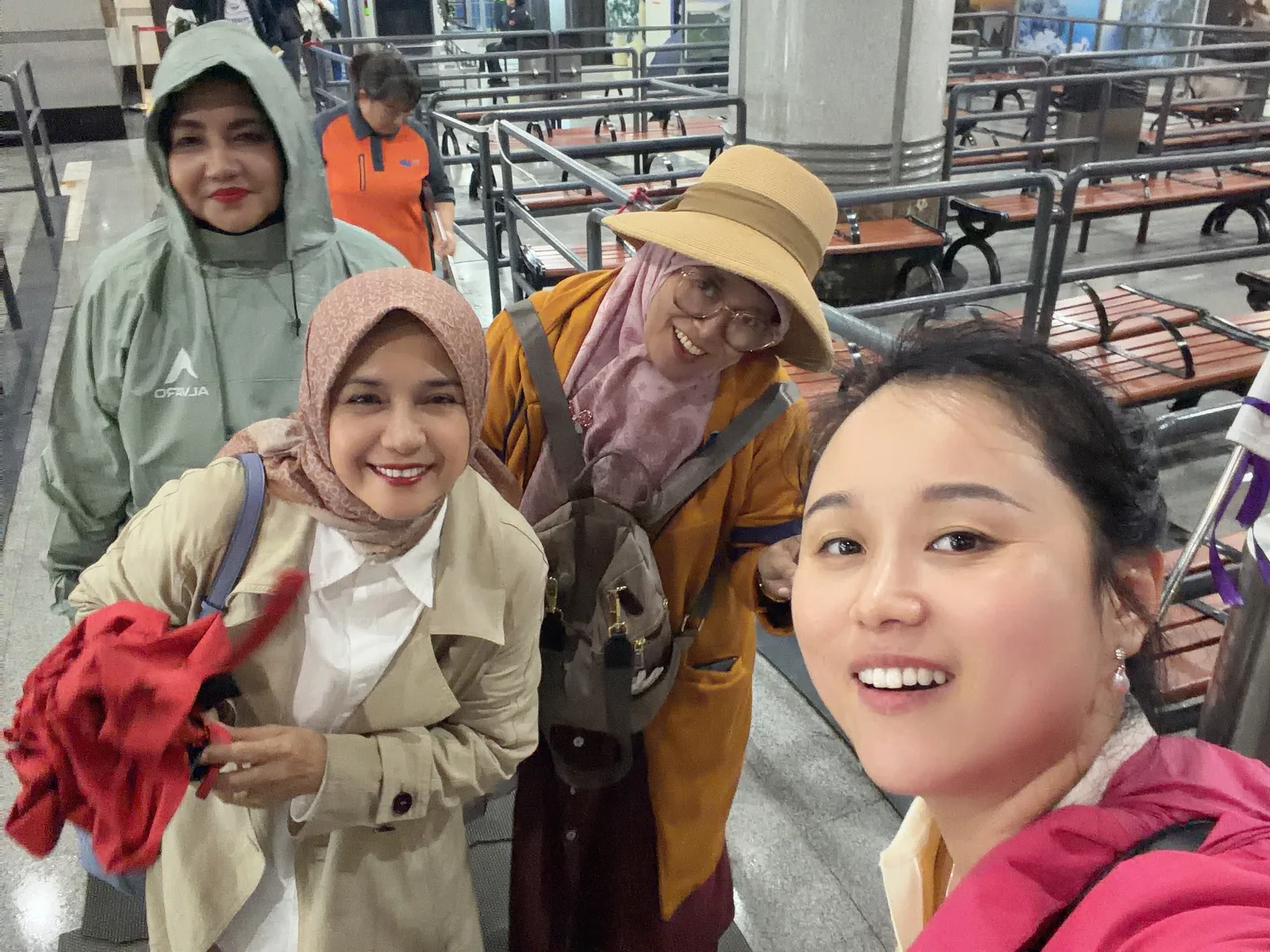
Comfortable, with two physical realities to plan around. First the good news, which is genuine: locals are used to Muslim visitors around the Jiaochangkou cluster, the food situation is among the simplest of any major Chinese city, and nothing about traveling as a visibly Muslim family draws unwelcome attention in our teams’ experience running trips there.
Now the honest part. Chongqing is a mountain city: streets stack on top of each other, and a “short walk” can include several flights of stairs — a real consideration with grandparents in the group. Summers are seriously hot; the city has a furnace reputation for a reason, and July–August afternoons are not sightseeing hours (our take on timing is in the best time to visit Chongqing). And as everywhere in China, smoking in public spaces is more common than Gulf or Southeast Asian travelers expect; it cannot be eliminated, only managed.
How we handle these when planning for families: build the day around fewer, slower stops, with a private car taking over wherever the terrain gets steep instead of asking grandparents to climb; keep summer sightseeing to mornings and evenings; and if a hotel room smells of smoke, ask for a change immediately — hotels are used to the request, and for our clients we make that call to the front desk ourselves.
How Does Chongqing Fit Into a China Route?
Two to three days covers Chongqing’s core comfortably — the Yuzhong sights, Ciqikou, a river-lights evening, and a day trip if you want one. It also connects better than almost any city in western China:
- Chengdu is the natural pairing: the fastest high-speed trains take just over an hour, most services 1.5–2.5 hours. Details in our Chengdu to Chongqing guide.
- Zhangjiajie became a direct ride in June 2025, when the final section of the high-speed line opened — 15-plus direct trains a day, the fastest just over 2 hours. How to plan that travel day, including where the last verified halal meal happens, is in our Chongqing to Zhangjiajie guide.
- Wulong’s karst landscape is the classic day trip — with one Muslim-specific catch: there is no halal food inside the scenic area. When we run Wulong days, the halal lunch stop is confirmed before the car leaves the city, and dinner is back at Jiaochangkou. That pairing is exactly what our Chongqing + Wulong package is built around (from $368 per person; the quote lists every item — no forced shopping, no hidden fees).
People also ask which Chinese city is most Muslim-friendly, and the honest answer is that Xi’an and the northwest have deeper Muslim heritage — but that is a different kind of trip. Chongqing is the pick when you want modern China at full intensity with the halal logistics still simple. Our things to do in Chongqing and Chongqing itinerary for Muslim travelers show what those days actually look like.
Our Verdict
Chongqing earns its place on a Muslim family’s China route: one solved food question (sleep near Jiaochangkou), prayer that works when planned into the day, and rail links that make it the easiest western hub to build around — as long as the pace respects the hills, the heat and the grandparents. If you want a second opinion on your specific plan, ask our team on WhatsApp — and if your dates or group make Chongqing a poor fit, we will say so and suggest what to change. Talking travelers out of an unworkable plan is part of the job.
FAQ
Is there a mosque in Chongqing?
Yes — the city has several mosques open to visiting worshippers, in different districts. Rather than planning your day around one address, pick the mosque that fits that day’s route; for Friday prayer, confirm the arrangement before you travel.
Is Chongqing hotpot halal?
Regular Chongqing hotpot is not, and “we can leave the pork out” does not make it halal. But Jiaochangkou has dedicated halal hotpot houses with fully halal kitchens serving the same málà experience — one of the better halal-famous-dish matches in China.
Is Chongqing comfortable for Muslim women travelers?
In our teams’ experience, yes — day-to-day travel around the main areas is unremarkable in the best sense, hijab included. For all-women or sisters’ groups, we can arrange a female guide on request — mention it when you plan, so we can confirm availability for your dates.
When is the best time to visit Chongqing?
Spring and autumn are the comfortable windows; summer is very hot and better spent on mornings and evenings. The month-by-month breakdown is in our best time to visit Chongqing guide.