Last Updated on August 23, 2026 by Halalchinatrips
Guangzhou is one of the easiest first stops in China for Muslim travelers — and one of the most underrated. It has nonstop flights from Kuala Lumpur, Singapore, Jakarta, Dubai and Doha, one of the oldest mosques in China, and in Xiaobei, the densest halal dining district anywhere in the country. Two full days cover the core city; three days if you add Chimelong with kids.
Most “things to do in Guangzhou” lists give you forty attractions with no way to choose between them. This guide does the opposite: the places that are genuinely worth your time as a Muslim traveler, what to skip, and how prayer and halal meals fit into each day. For restaurant details, see our separate guide to halal food in Guangzhou.
Huaisheng Mosque and the Old Islamic Quarter
Start here, because no other major Chinese city has this. Huaisheng Mosque on Guangta Road traces its origins to the Tang dynasty — roughly 1,300 years of continuous Islamic presence, tied to the earliest Muslim traders who arrived in China by sea. Its plain whitewashed minaret, the Guangta (“Light Tower”), was once a landmark for ships on the Pearl River.
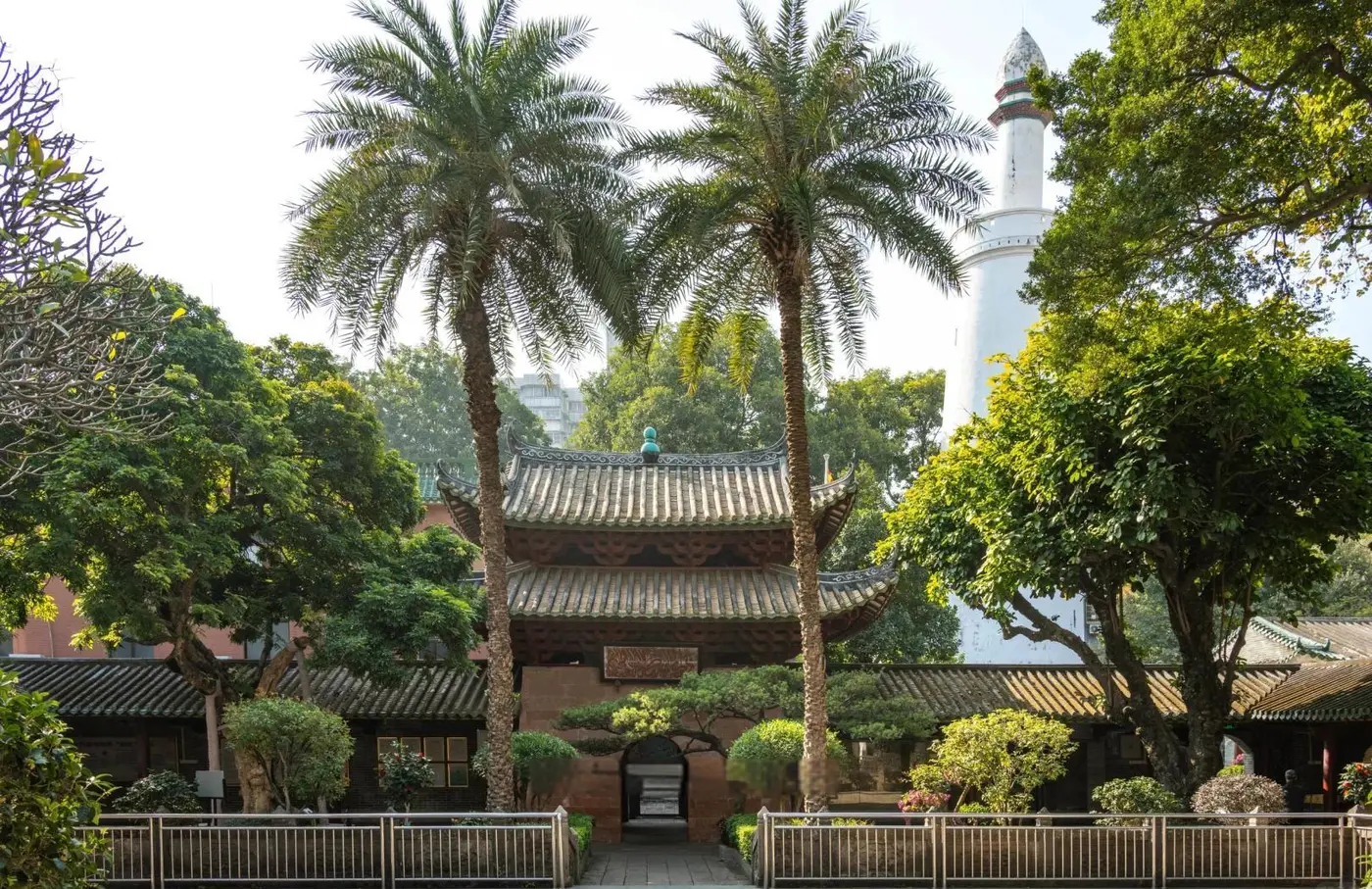
The mosque is active, not a museum. Muslims are welcome for daily prayers; outside prayer times, the courtyard is open to visitors. Dress modestly, and avoid touring the prayer hall itself during congregational prayers. Plan your visit around Dhuhr or Asr — pray, then walk the surrounding streets, where the old Islamic quarter blends into Guangzhou’s everyday street life.
A second historic site, Xianxian Mosque on Jiefang North Road, is also a functioning prayer site and is traditionally associated with Sa’d ibn Abi Waqqas, a companion of the Prophet ﷺ. If your schedule only allows one, choose Huaisheng for the history and central location.
Xiaobei: Guangzhou’s Muslim Street
Xiaobei, on Metro Line 5 in Yuexiu district, is the closest thing China has to an international Muslim quarter. Within a ten-minute walk — much of it along Baohan Street — you’ll pass Lanzhou noodle shops, Xinjiang lamb grills, Turkish and Arabic restaurants, and African eateries, with Arabic signage everywhere and halal meat shops on the corners.
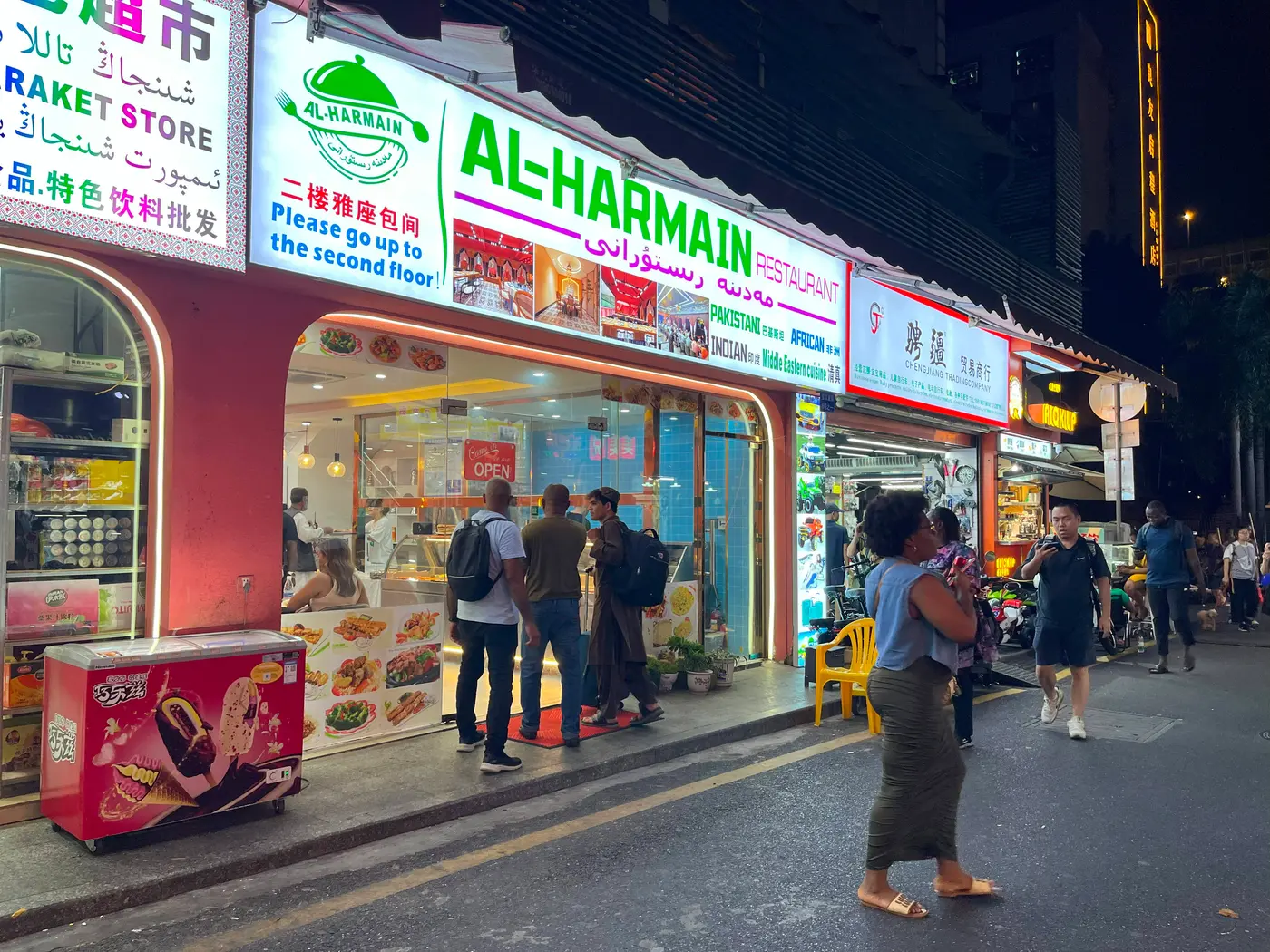
Treat it as a destination, not just a meal stop. The best time to come is dinner: arrive around Maghrib, eat, then walk the street while it’s at its liveliest. It is not a polished tourist attraction — it’s a working immigrant neighborhood, which is exactly why it feels unlike anywhere else in China. Our Guangzhou halal food guide lists specific restaurants worth seeking out here.
The Classic Sights: What’s Worth It, and What to Skip
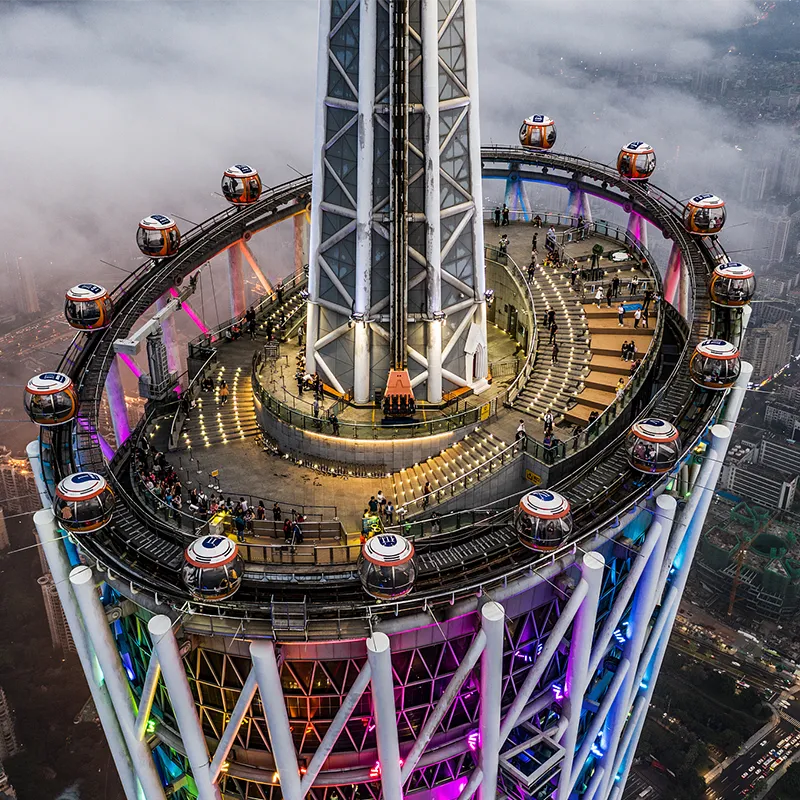
Canton Tower — go at night. The 600-meter tower is Guangzhou’s signature view. Standard observation decks cost roughly ¥150–230 depending on height; the Bubble Tram (slow-rotating glass cabins around the roof rim at 455 m) costs extra. It’s open until 10:30 pm, so schedule it after Maghrib and see the city lit up — the view is far better than in daytime haze. Check current hours and prices on the official Canton Tower site before you go. If you’d rather not pay, the free riverside walk at Huacheng Square across the river frames the tower well.
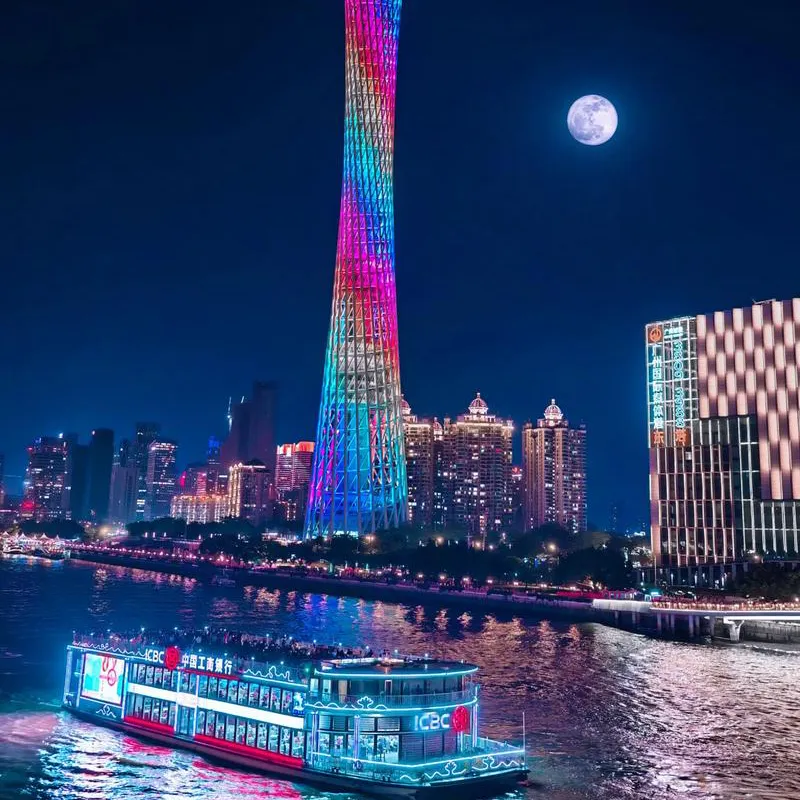
A Pearl River night cruise pairs naturally with Canton Tower — most cruises run 40–90 minutes in the evening from piers near the city center. Book a post-Isha slot and you lose no sightseeing time.
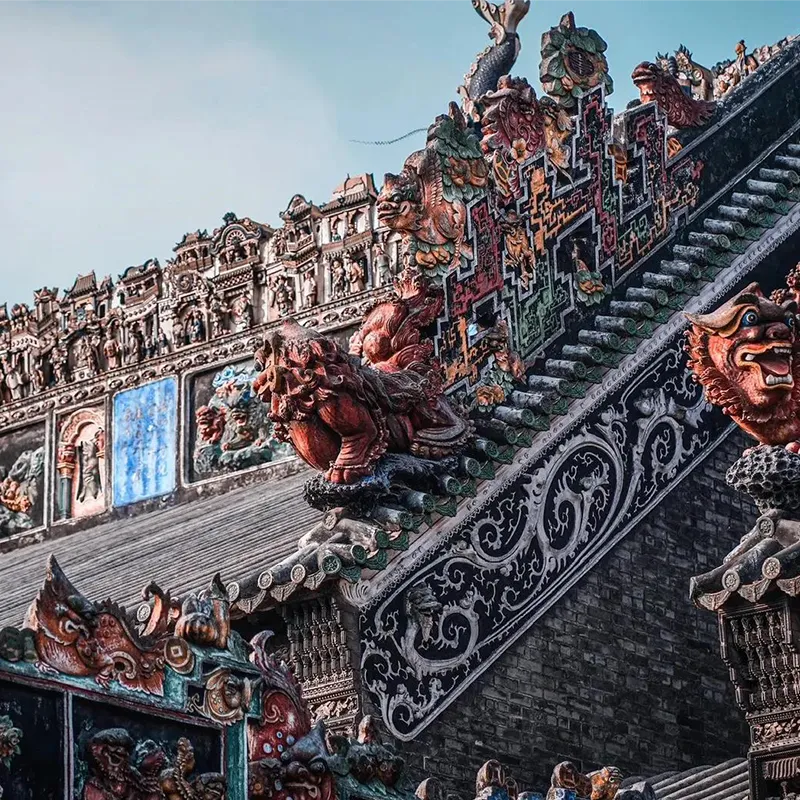
The old town half-day. Chen Clan Ancestral Hall (a small entry fee) is the finest surviving example of southern Chinese decorative architecture — carved brick, wood and ceramic friezes covering an entire academy compound. From there, walk or take a short taxi to Shamian Island, the former colonial concession: banyan-shaded avenues, restored European facades, and the quietest streets in central Guangzhou. Both are relaxed, stroller-friendly, and free of the crowds that swamp bigger-name sights elsewhere in China.
Baiyun Mountain — only if you have spare time. The views are pleasant and the cable car saves the climb, but for most 2–3 day visits it displaces something better. Skip it unless you’re staying four days or more, or you specifically want an easy green morning.
Museums and temples: the Nanyue King Museum is genuinely good if you like archaeology; Buddhist temple visits are a matter of personal comfort — nothing in Guangzhou’s core itinerary requires them.
Chimelong: The Family Day
If you’re traveling with children, Chimelong is the reason to add a third day. The Safari Park holds more than 20,000 animals including giant pandas and koalas, and realistically takes a full day (gates open around 9:00–9:30 am; check the official Chimelong site for your date). Chimelong Paradise next door is the roller-coaster park — with limited time, families with younger kids should choose the Safari Park.
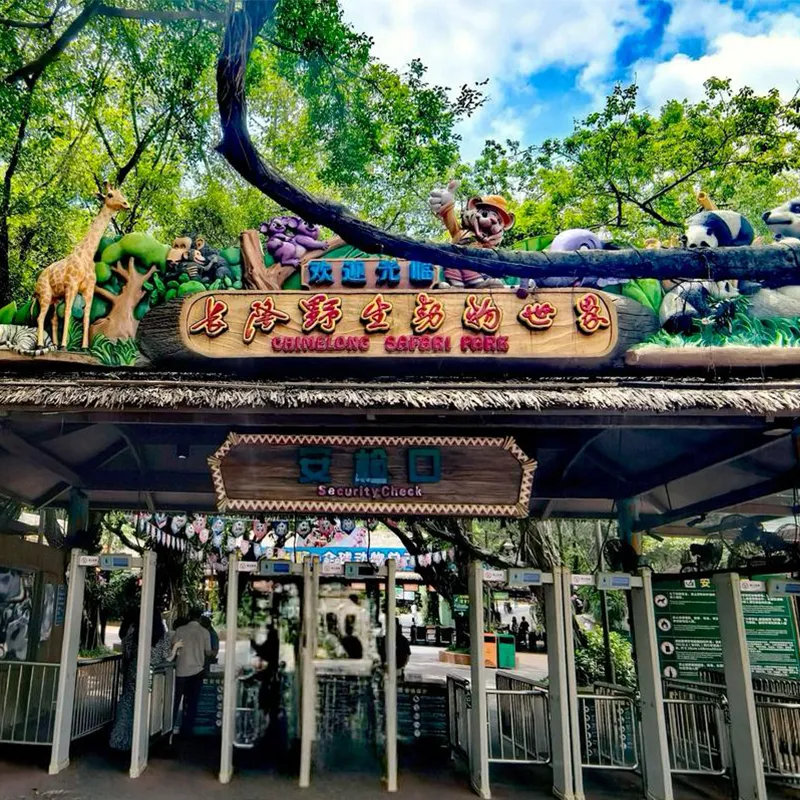
Plan food and prayer before you go: we have not verified a dedicated halal restaurant inside the park, so the practical approach is a solid halal breakfast, packed snacks or sealed food, and dinner in Xiaobei afterwards. For prayers, use a quiet rest area inside the park and combine as your school of thought permits while traveling. This is the kind of day where pre-planning matters more than anywhere else in Guangzhou.
A 2–3 Day Muslim-Friendly Itinerary
Day 1 — Old Guangzhou. Morning at Chen Clan Ancestral Hall, then Shamian Island before lunch. After Dhuhr, Huaisheng Mosque and the old quarter. Dinner and the evening in Xiaobei — arrive around Maghrib and let the street fill up around you.
Day 2 — The modern city. Slow morning (this is a good hotel-laundry-and-rest slot on a longer China trip), then Huacheng Square and the Guangdong Museum area in the afternoon. Pray Maghrib at the hotel, then Canton Tower’s observation deck, followed by a Pearl River night cruise or the riverside walk.
Day 3 — Chimelong (families), or for adults: Nanyue King Museum, Beijing Road’s shopping streets, and a second Xiaobei evening — one dinner there is never enough.
The friction points in this plan are the same ones we handle for clients every week: an observation-deck slot that collides with Maghrib, a cruise that boards mid-Isha, a safari day with no halal lunch inside the gates. When we build a Guangzhou itinerary, tickets, transfers, prayer windows and every meal are planned together — message us on WhatsApp and tell us your dates and group size, and we’ll show you how your days would actually run.
Practical Notes: Getting In, Around, and When to Come
Arrival. Baiyun Airport (CAN) has nonstop links with Kuala Lumpur, Singapore, Jakarta, Bangkok, Dubai and Doha, among others. Terminal 2 has a prayer room and halal dining — useful for late arrivals. China also operates visa-free transit policies covering many nationalities; rules change, so confirm your case on the National Immigration Administration site before booking.
Getting around. The metro is cheap, signed in English, and reaches every place in this guide; Xiaobei is on Line 5, Canton Tower on Line 3/APM. Taxis and Didi (China’s ride-hailing app) fill the gaps. Alipay or WeChat Pay handle nearly all payments — set one up before you fly; our China travel tips for Muslim travelers covers the full setup.
When to come. October to December is the sweet spot: dry, sunny, 15–25°C. April to September is hot, humid and rainy, with typhoon risk peaking in late summer — doable, but plan indoor afternoons. One warning for spring and autumn: during Canton Fair sessions (multi-week trade fair phases in April–May and October–November), hotel prices across the city can double or triple. If your dates are flexible, check the fair calendar first; if you’re a group organizer bringing a delegation to the fair, book months ahead.
Where Next: Guangzhou as Your Gateway
Guangzhou works best as the front door to a longer trip. Three combinations we plan most often:
- Guangzhou + Zhangjiajie — two nights in the city, then fly north to the Avatar mountains. Our Zhangjiajie Muslim travel guide covers what that leg looks like.
- Guangzhou + Beijing or Shanghai — high-speed rail or a short flight connects you to the classic capitals. See our Beijing Muslim itinerary and Shanghai Muslim itinerary.
- Guangzhou + Guilin — the shortest route to classic karst river scenery; see our Guilin destination page.
Cross-city trips are where halal logistics genuinely get harder — every new city means new restaurants to verify and new prayer arrangements. That’s the part we do daily, with our local teams on the ground. More on the city itself is on our Guangzhou destination page, or ask us on WhatsApp how a Guangzhou-plus-one-more-city route would fit your dates.
FAQ
Is Guangzhou Muslim-friendly?
Yes — by Chinese standards, exceptionally so. It has active historic mosques including Huaisheng Mosque, the Xiaobei district’s concentration of halal restaurants, and a long-established Muslim community. You will still need to plan prayer stops and verify restaurants outside Muslim areas, as anywhere in China.
Is 3 days enough for Guangzhou?
Two days cover the core: the old town, Huaisheng Mosque, Xiaobei, and Canton Tower. Add a third day for Chimelong if you’re traveling with children. Most travelers shouldn’t need more than three before moving on to their next city.
Where can I pray in Guangzhou?
Guangzhou has several active mosques — Huaisheng Mosque on Guangta Road is the most central and historic. Which one fits best depends on where your day’s route takes you; when we plan itineraries, we match prayer stops to your sightseeing line rather than forcing detours.
Is there halal food near the main attractions?
Near Xiaobei and the mosque quarter, abundantly. Around Canton Tower and Chimelong, options thin out and need planning — see our halal food in Guangzhou guide for specific restaurants and how to verify them.